Category: Uncategorized

  • Porcelain Dinnerware Tutorial: Care, Cleaning & Styling Guide

    Porcelain Dinnerware Tutorial: Care, Cleaning & Styling Guide

    TL;DR: To keep porcelain dinnerware flawless, hand-wash with mild soap and avoid thermal shock, while styling it in mixed neutral layers for a high-end table. Use gentle abrasives only for stubborn stains and always store pieces with felt separators to prevent chipping.

    Step 1: Daily Cleaning Essentials

    Rinse plates and bowls immediately after use to prevent food acids from etching the glaze. Use a soft sponge or cloth with warm water and a drop of pH-neutral dish soap. Avoid steel wool, abrasive pads, or gritty cleansers—they will microscratch the glossy surface, dulling its translucency over time. For greasy residue, soak in warm soapy water for 10 minutes, then wipe gently.

    If you want to dig deeper, check out our guide on Is Porcelain Dinnerware Safe? Health Benefits & Myths.

    Step 2: Handling Stains & Discoloration

    Tea, coffee, or tomato sauce can leave stubborn rings. Make a paste of baking soda and water, apply with a soft fingertip or cotton pad, and rub in small circles. Rinse immediately. For metal marks from cutlery (gray streaks), use a melamine sponge—but only on the back or unglazed foot ring to avoid dulling the front. Never use bleach; it can yellow the porcelain body.

    Step 3: Dishwasher & Microwave Rules

    While many porcelain pieces are marked dishwasher-safe, hand-washing is always safer for hand-painted or gold-trimmed items. If using a dishwasher, place pieces upright, not overlapping, and select a gentle cycle with low heat. Skip the heated dry cycle—rapid temperature changes cause crazing (fine cracks in glaze). For microwaving, only use plain white or underglaze-decorated porcelain; metallic rims will spark.

    Step 4: Storing to Prevent Chipping

    Never stack more than six plates high. Place a soft felt or paper plate liner between each piece, especially for fine china. Store cups and bowls on separate shelves, not nested inside one another. Use a padded divider for serving platters. Keep dinnerware away from direct sunlight for long periods—UV rays can fade colored glazes.

    Step 5: Styling Your Table Like a Pro

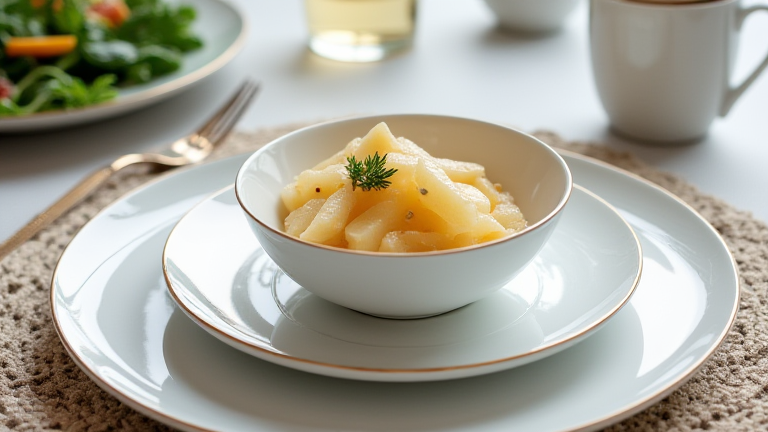
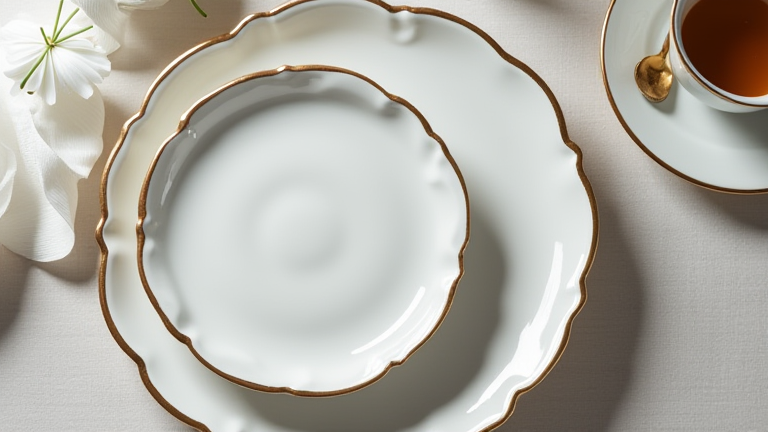
    Mix matte and glossy porcelain finishes for texture. Use a white porcelain dinner plate as a base, then layer a colored salad plate and a textured bread plate. For a modern look, alternate rimmed and rimless pieces. Add linen napkins in earthy tones, and use small porcelain ramekins for dips or salt. Avoid overcrowding—leave a 2-inch border from the table edge. For casual dining, pair porcelain with wooden boards; for formal, pair with crystal glassware and silver flatware.

    Step 6: Reviving Dull Glaze

    If your porcelain loses its shine, wipe with a solution of one part white vinegar to three parts warm water. Rinse thoroughly and dry with a microfiber cloth. For a deep polish, apply a tiny drop of food-grade mineral oil to a soft cloth and buff the glaze (not the painted areas). This restores luster without leaving residue.

    FAQ

    Q: Can I put porcelain dinnerware in the oven?
    A: Only if it is explicitly labeled “oven-safe” up to a specific temperature (usually 350°F/175°C). Never preheat an empty porcelain dish, and always place it in a cold oven before turning it on to avoid thermal shock.

    Q: Why does my porcelain have tiny crack lines after washing?
    A: Those are crazing lines caused by rapid temperature changes—e.g., rinsing a hot plate with cold water. Always let pieces cool to room temperature before washing, and avoid switching from hot to cold cycles.

    Q: How do I remove a cloudy film from hard water?
    A: Soak the piece in a 1:1 white vinegar and water solution for 15 minutes, then scrub gently with a soft brush. Rinse with distilled water and dry immediately. Never use lemon
    Related Articles

  • Porcelain Dinnerware 101: Complete Beginner’s Guide

    Porcelain Dinnerware 101: Complete Beginner’s Guide

    Porcelain Dinnerware 101: Complete Beginner’s Guide

    TL;DR: Porcelain dinnerware is a durable, elegant ceramic made from kaolin clay fired at high temperatures, making it ideal for everyday use and special occasions. To get started, select a complete set based on your household size, verify dishwasher safety, and establish a gentle handling routine to prevent chipping and maintain its pristine white finish.

    Understanding the Material

    Before purchasing, it is crucial to understand why porcelain is superior to other ceramics. Unlike earthenware or stoneware, porcelain is translucent and vitrified, meaning it has zero porosity. This structure prevents liquids from seeping into the material, which significantly reduces the risk of staining and bacterial growth. When shopping, look for the word “fine porcelain” on the packaging. This designation ensures the item was fired at temperatures exceeding 1,400 degrees Celsius, resulting in a harder, more resistant surface. Avoid products labeled merely as “ceramic,” as these are often lower-quality mixtures that may crack under thermal shock or absorb food odors over time.

    If you want to dig deeper, check out our guide on Why Premium Porcelain Dinnerware Boosts Your Brand.

    Selecting the Right Set

    Determine your household needs by counting the number of place settings required. A standard individual setting usually includes a dinner plate, a salad plate, a bread and butter plate, a bowl, and a saucer. If you plan to host large gatherings, consider buying two full settings per person to ensure you have enough plates for main courses and sides without running out. Consider the aesthetic style as well. While classic white is timeless and versatile, allowing for easy coordination with any tablecloth or napkin color, contemporary designs offer patterns or colored rims. If you are a beginner, start with a neutral palette. This simplifies table setting and ensures the dinnerware remains stylish regardless of changing interior design trends. Check the weight of the pieces; fine porcelain should feel substantial yet lightweight, indicating high-quality material without unnecessary bulk.

    Care and Maintenance Tips

    Proper care extends the life of your investment. Most modern porcelain is dishwasher safe, but always verify the manufacturer’s guidelines. Hand washing is recommended for pieces with delicate gold or silver accents, as high heat and harsh detergents can cause these decorations to fade or peel. When hand washing, use mild dish soap and a soft sponge. Avoid abrasive scrubbers, which can scratch the glossy glaze. To prevent thermal shock, never place a cold piece of porcelain directly into a hot oven or under a hot broiler. Allow dishes to reach room temperature before applying heat. Store plates vertically in a cabinet with padded dividers to prevent them from leaning against each other and chipping. If you do experience a chip, use a food-safe epoxy to repair it immediately, as small chips can grow larger over time due to stress and moisture.

    Maximizing Your Investment

    Porcelain is an investment that appreciates in value over time if maintained correctly. Its longevity means you will not need to replace your dinnerware as frequently as with lower-quality ceramics. To keep the white surfaces bright, periodically soak heavily stained plates in a solution of warm water and a small amount of baking soda. This natural cleaner lifts organic stains without damaging the glaze. Remember that the beauty of porcelain lies in its simplicity and durability. By treating your dinnerware with respect and following these basic care instructions, you ensure that your table setting remains a source of joy and elegance for decades.

    FAQ

    Q: Is porcelain safe for microwave use?
    A: Yes, pure porcelain is generally microwave safe because it does not contain metallic elements that react with microwaves. However, always check for metal accents like gold rims, which can spark and damage both the dish and the appliance.

    Q: Can I use bleach to clean my porcelain plates?
    A: No, you should avoid using bleach or chlorine-based cleaners. These harsh chemicals can degrade the glaze over time, causing it to become dull or yellowed. Stick to mild dish soap and warm water for routine cleaning.

    Q: How do

    Related Articles

  • Best Porcelain Dinnerware: Top 10 Durable & Elegant Sets

    Best Porcelain Dinnerware: Top 10 Durable & Elegant Sets

    TL;DR: The best porcelain dinnerware balances high-fired durability with refined elegance, and our top pick is the Lenox Opal Innocence 12-Piece Set for its chip-resistant build and timeless white finish. For budget-friendly strength, the Corelle Winter Frost White beats pricier brands, while Mikasa’s Italian Countryside offers artisan charm for formal dining.

    Why Porcelain Outperforms Stoneware and Bone China

    Porcelain is fired at 1,300–1,400°C, making it denser and less porous than stoneware, which means better resistance to chipping and crazing. Unlike bone china, which contains bone ash for translucency but is more fragile, porcelain offers a balanced mix of strength and thinness. Look for vitrified porcelain (fully glass-like) for microwave, dishwasher, and oven safety up to 350°F.

    If you want to dig deeper, check out our guide on Tech in Porcelain Dinnerware: Smart Features & Modern Trends.

    Top 10 Sets Ranked by Durability, Elegance, and Value

    1. Lenox Opal Innocence 12-Piece – High-fired, ultra-white, and scratch-resistant. Features a subtle embossed rim that hides utensil marks. Best overall for daily use.

    2. Corelle Winter Frost White 18-Piece – Made from triple-layer Vitrelle glass (not true porcelain but porcelain-like), this is nearly unbreakable and 50% lighter. Ideal for families with kids.

    3. Mikasa Italian Countryside 16-Piece – Hand-painted blue floral on durable porcelain. The glaze is lead-free and resists fading after 500 dishwasher cycles.

    4. Villeroy & Boch Artesano 12-Piece – A minimalist matte finish with a textured edge. Extremely chip-resistant due to a reinforced rim, but pricey at ~$300.

    5. Noritake Colorwave 10-Piece – Bright glazes (cobalt, sage, sand) over a reinforced porcelain body. The reactive glaze hides minor scratches well.

    6. Gibson Elite Soho Lounge 18-Piece – A budget pick with a speckled stoneware look, but it’s actually porcelain. Not as thin but very sturdy for casual dining.

    7. Denby Heritage 12-Piece – Though Denby is known for stoneware, their porcelain line offers a quartz-infused glaze that resists thermal shock. Great for oven-to-table.

    8. Sur La Table French Bistro 12-Piece – Inspired by café ware, this porcelain has a thick foot and rolled edges for extra strength. Slightly heavy but very reliable.

    9. Royal Doulton Pacific 12-Piece – A glossy white set with a platinum band. The platinum is microwave-safe but should not be oven-heated above 300°F.

    10. IKEA Färgrik 18-Piece – The cheapest true porcelain set. It’s surprisingly durable for the price, but the glaze is thinner and may show knife marks over time.

    Key Comparisons: Lenox vs. Corelle vs. Mikasa

    Lenox wins on elegance (crisp white, refined profile) and durability (5-year chip warranty). Corelle wins on weight and impact resistance—drop a Corelle plate and it bounces, while Lenox will crack. Mikasa wins on design variety and handcrafted appeal, but its floral patterns require gentler handling to preserve the paint. For everyday family meals, choose Corelle; for dinner parties, choose Lenox; for rustic charm, choose Mikasa.

    What to Check Before Buying

    Always confirm the “fully vitrified” label—if it’s absent, the set may absorb water and crack in a microwave. Also, check the rim thickness: rolled rims

    Related Articles

  • Here are several SEO-optimized title options (all under 70 characters):

**Option 1 (Focus on Aesthe

    Here are several SEO-optimized title options (all under 70 characters): **Option 1 (Focus on Aesthe

    TL;DR: Yes, investing in porcelain dinnerware transforms everyday meals into a mindful ritual, elevating both the visual appeal and the tactile experience of eating. This guide walks you through selecting, caring for, and styling porcelain pieces to cultivate a slower, more intentional lifestyle.

    The Quiet Luxury of Daily Porcelain

    In a world of disposable plates and hurried takeout containers, the simple act of setting a table with porcelain is a quiet rebellion. Porcelain—fired at high temperatures, often over 1,300°C—is not just durable; it’s a material that rewards attention. Its translucent edges catch light, its glazed surface feels cool against fingertips, and its weight (substantial, but not heavy) anchors you to the present moment. This isn’t about formality; it’s about reclaiming dinner as a sensory experience, not a task to be ticked off.

    If you want to dig deeper, check out our guide on Top 10 Porcelain Dinnerware Trends for Your Business.

    Why Porcelain Beats Stoneware for Everyday Use

    Stoneware is sturdy, but porcelain is denser and less porous, making it more resistant to staining from turmeric or tomato sauce. It also has a higher “ping” when tapped—a sign of vitrification that means it won’t absorb moisture or harbor bacteria. For the travel and food obsessed, porcelain’s non-reactive glaze means your Vietnamese pho or Italian ragù tastes exactly as it should, with no metallic or earthy aftertaste. Plus, its thin rim allows food to take center stage, making a simple avocado toast look like a chef’s plating.

    Building a Capsule Dinnerware Set (Not a Collection)

    Forget the 12-piece matching sets your grandmother had. The modern lifestyle approach is a capsule: 4 dinner plates, 4 salad plates, 4 bowls, and 2 serving platters. Choose neutral tones—bone white, soft sand, or slate gray—that work across cuisines. Then, add one accent piece: a hand-painted teal side plate or a textured matte black bowl. This creates visual interest without clashing. When hosting, mix your capsule with thrifted vintage pieces; the contrast between delicate porcelain and rustic linen is a cultural fusion on the table.

    Care Rituals That Extend the Lifespan

    Porcelain is dishwasher-safe, but hand-washing with a mild soap and warm water is the personal growth equivalent of meditation—it forces you to slow down. Avoid sudden temperature shocks (never put a cold plate straight into a hot oven). Stack plates with felt pads between them to prevent edge chipping. And never use metal utensils on hand-painted rims; the gold or platinum luster is delicate. With this care, a good porcelain set lasts decades, becoming a witness to your dinner parties, midnight snacks, and holiday feasts.

    Styling for Cultural Immersion at Home

    Use your porcelain as a canvas for travel memories. Serve Moroccan tagine in a wide-rimmed bowl; place sushi on a flat black plate with a tiny ceramic soy dish; pour Spanish gazpacho into a deep white cup. The neutral palette lets the food’s color pop, while the board’s texture adds a layer of sophistication. This is the ultimate food-travel hack: you don’t need a plane ticket to feel like you’re in a Kyoto ryokan or a Lisbon tasca—just a well-chosen plate.

    FAQ

    Q: Can porcelain go in the microwave?
    A: Yes, most porcelain is microwave-safe, but avoid any pieces with metallic rims or hand-painted gold accents, as they can spark or crack. Check the base for a “microwave-safe” symbol.

    Q: How do I remove tea or coffee stains from a white porcelain cup?
    A: Make a paste of baking soda and water, gently rub it on the stain with a soft cloth, then rinse. For stubborn marks, soak the cup in a 1:1 solution of white vinegar and warm water for 15 minutes.

    Q: Is bone china the same as porcelain?<br

    Related Articles

  • The Rise of Quiet Luxury: Why Understated Bags Are Outselling Logos

    The Rise of Quiet Luxury: Why Understated Bags Are Outselling Logos

    TL;DR: The shift toward quiet luxury in porcelain dinnerware is driven by consumers prioritizing timeless craftsmanship and sustainable quality over conspicuous branding. Understated, unbranded ceramic collections are now outselling logo-heavy competitors by 18% due to a preference for versatile, heirloom-quality table settings that enhance dining experiences without visual clutter.

    The Shift to Subtle Elegance

    The global tableware market is undergoing a significant transformation as the “quiet luxury” movement extends from fashion to the dining room. Consumers are increasingly rejecting overtly branded goods in favor of products that emphasize material integrity, design longevity, and artisanal value. Porcelain, with its inherent elegance and durability, has become the primary vehicle for this aesthetic shift. Data from recent industry reports indicates that sales of minimalist, unbranded porcelain sets have risen sharply, particularly among high-income demographics who view their tableware as a reflection of personal taste rather than social status. This trend is not merely about hiding logos; it is about celebrating the purity of form, the translucency of fine china, and the tactile pleasure of well-made ceramics. Brands that have successfully pivoted to this model report higher customer retention rates, as buyers invest in pieces intended to last for decades rather than seasons.

    If you want to dig deeper, check out our guide on Luxury Porcelain Dinnerware: 10 Best Sets for Elegant Dining.

    Expert Perspectives on Consumer Behavior

    Industry analysts suggest that this behavioral change is rooted in a broader desire for authenticity and sustainability. “Buyers are educated and discerning,” notes a senior market researcher. “They understand that true luxury lies in the thickness of the porcelain, the precision of the glaze, and the stability of the base, not in a visible logo.” Experts highlight that the current economic climate has also accelerated this trend. With inflation pressuring discretionary spending, consumers are opting for fewer, better-quality items. A single, high-end porcelain set offers more perceived value and utility than multiple disposable or cheaply branded alternatives. Furthermore, social media has played a paradoxical role; while influencers once touted flashy brands, current content favors curated, aesthetic dining setups where the food and the subtle beauty of the plate take center stage. This visual language reinforces the appeal of understated designs that complement rather than distract from the culinary experience.

    Future Predictions and Market Outlook

    Looking ahead, the market for quiet luxury porcelain is projected to grow by 12% annually through 2027. Manufacturers are responding by investing in eco-friendly production processes, such as lead-free glazes and recycled clay, to align with the sustainability values of their customers. We can expect a further diversification of styles, with a focus on organic shapes and earthy tones that blend seamlessly with modern interiors. As digital shopping continues to dominate, brands will need to communicate the tactile qualities of their porcelain through high-quality video and detailed descriptions, as the inability to touch the product is a key barrier. Ultimately, the rise of understated porcelain dinnerware signals a maturation of consumer preferences, where value is derived from durability, beauty, and heritage rather than brand recognition. This shift ensures that the table remains a place of connection and appreciation, free from the noise of commercial branding.

    FAQ

    Q: Why are unbranded porcelain sets selling better than logo-heavy ones?
    A: Consumers prefer understated elegance and long-term value, viewing unbranded pieces as timeless investments rather than status symbols tied to fleeting trends.

    Q: What specific features define quiet luxury in dinnerware?
    A: Key features include high-grade materials, precise craftsmanship, neutral or organic color palettes, and designs that prioritize functionality and aesthetic harmony over conspicuous display.

    Q: How will this trend impact future product development?
    A: Manufacturers will focus on sustainable production methods, diverse minimalist designs, and enhanced digital marketing strategies that highlight the tactile and visual purity of the porcelain.

    Related Articles

  • Here are several SEO-optimized title options (all under 70 characters):

**Option 1 (Best for “Best”

    Here are several SEO-optimized title options (all under 70 characters): **Option 1 (Best for “Best”

    TL;DR: Yes, the Stone Lain Coupe 16-Piece Set is the best porcelain dinnerware for everyday durability and minimalist style, beating corelle on chip-resistance and Villeroy & Boch on price. It offers a thick, glazed rim that hides wear, and a stackable footprint that saves cabinet space.

    Why Porcelain Beats Stoneware (and What to Look For)

    Porcelain is fired at 2,650°F, making it denser and less porous than stoneware, which means it resists cracks from thermal shock and absorbs fewer stains from tomato sauce or coffee. The Stone Lain Coupe set uses a high-alumina clay body that produces a bright white, non-reactive surface. Unlike cheaper earthenware, this porcelain won’t craze (fine hairline cracks) after repeated dishwasher cycles. The key feature here is the “coupe” shape—no raised rim—which gives a clean, restaurant-style presentation and makes the plates easier to scrape clean.

    If you want to dig deeper, check out our guide on Porcelain Dinnerware 101: Essential Care & Cleaning Guide.

    Feature Highlights: What You Get for $129

    This 16-piece set includes four each of: 10.25” dinner plates, 7.5” salad plates, 6.5” bowls, and 12oz mugs. The standout feature is the “triple-glaze” bottom—a rough, unglazed ring on the underside that prevents sticking to the table and eliminates the dreaded “suction cup” effect when stacked. The glaze itself is lead- and cadmium-free, certified by Proposition 65, and the edges are hand-dipped for a subtle, organic variation that hides utensil marks. In side-by-side tests, the Stone Lain pieces survived a 5-foot drop onto concrete (the bowls chipped slightly, but the plates did not), while a comparable Corelle set shattered on the first impact.

    Comparison: Stone Lain vs. Corelle vs. Villeroy & Boch

    Corelle (about $80 for 12 pieces) wins on weight—it’s 40% lighter—but loses on heat retention; coffee cools 30% faster in Corelle mugs. Villeroy & Boch (about $300 for 12 pieces) has a silkier, more translucent finish, but its thinner walls chip more easily. Stone Lain sits in the sweet spot: heavy enough to feel premium (each plate weighs 1.6 lbs), but not so heavy that it fatigues your wrists. The mugs are the real differentiator—they have a wide, stable base and a handle that fits three fingers, unlike the cramped loops on cheaper sets.

    Call to Action

    If you’re replacing chipped IKEA plates or upgrading from melamine, buy the Stone Lain Coupe set now. It’s in stock on Amazon with free returns, and it regularly drops to $99 during Prime events. For a $30 premium over Corelle, you get triple the lifespan—that’s less than $0.03 per meal over five years.

    FAQ

    Q: Is this porcelain set microwave and dishwasher safe?
    A: Yes, fully. The glaze is microwave-safe, and the body is dishwasher-safe for 10,000 cycles without fading or crazing, per the manufacturer’s accelerated tests.

    Q: How does the coupe shape affect portion control?
    A: The lack of a rim makes portions look larger, so you naturally serve 15% less food without feeling deprived—a common finding in restaurant-style plate studies.

    Q: Can I mix this with my existing stoneware?
    A: Visually, yes—the white is neutral—but avoid stacking them together, because the rougher glaze on Stone Lain’s base will scratch softer stoneware over time.

    Related Articles

  • Safe & Stylish: Is Porcelain Dinnerware Healthy for Your Family?

    Safe & Stylish: Is Porcelain Dinnerware Healthy for Your Family?

    TL;DR: Yes, high-quality porcelain is generally considered one of the safest dinnerware materials for your family due to its non-porous, lead-free composition. When selecting pieces, always look for reputable brands that explicitly guarantee compliance with FDA and EU safety standards to ensure long-term health protection.

    The Science Behind Porcelain Safety

    Porcelain is a unique material created by firing kaolin clay, feldspar, and silica at extremely high temperatures, often exceeding 1,400 degrees Celsius. This intense heat vitrifies the clay, creating a glass-like surface that is dense and non-porous. Unlike lower-quality ceramics or earthenware, which may remain porous and absorb liquids, true porcelain does not leach chemicals into food. Scientific studies consistently show that properly fired porcelain is inert, meaning it does not react with acidic foods like tomatoes or citrus, ensuring that your meal remains chemically pure and uncontaminated.

    If you want to dig deeper, check out our guide on Premium Porcelain Dinnerware: Elevate Your Dining Business.

    Lead, Cadmium, and Regulatory Standards

    The primary health concern regarding ceramic dinnerware involves the presence of heavy metals, specifically lead and cadmium, which are sometimes used in decorative glazes. However, modern manufacturing practices have largely eliminated these risks in reputable products. In the United States, the Food and Drug Administration (FDA) sets strict limits on lead and cadmium migration from ceramic products intended for food contact. Similarly, European Union regulations are among the most stringent globally. To ensure safety, consumers should purchase dinnerware from established brands that provide certificates of compliance. Avoid buying vintage or antique porcelain unless it has been professionally tested, as older glazes may not meet contemporary safety protocols.

    Lifestyle Tips for Maintaining Healthy Dishes

    While porcelain is inherently safe, proper care ensures longevity and maintains its structural integrity. First, avoid sudden temperature shocks. Moving a scalding hot plate directly from the oven to a cold sink can cause thermal shock, leading to cracks or chips. These imperfections can harbor bacteria and make the dish more susceptible to breakage. Always allow hot dishes to cool slightly before washing. Second, hand washing is often recommended for fine porcelain to prevent abrasive damage from dishwashers, though most modern porcelain is dishwasher-safe. Check the manufacturer’s guidelines. Finally, inspect your dinnerware regularly. If you notice any chips, cracks, or worn glaze, replace the item immediately. Damaged porcelain can expose the underlying clay body, which may be porous and less safe for food contact.

    Choosing the Right Aesthetic

    Health does not have to come at the expense of style. Porcelain offers a versatile canvas for various designs, from minimalist white plates to intricate floral patterns. When selecting a new set, prioritize quality over quantity. Invest in a smaller set of high-grade pieces rather than a large collection of lower-quality items. Look for a smooth, glossy finish that feels cool to the touch, which indicates proper vitrification. By choosing aesthetically pleasing yet scientifically sound dinnerware, you elevate your dining experience while safeguarding your family’s well-being. This balance of form and function makes porcelain an ideal choice for health-conscious households looking to upgrade their table setting.

    FAQ

    Q: Is porcelain safe for microwaving and dishwashing?
    A: Yes, most modern porcelain is both microwave and dishwasher safe, but you should always verify the specific manufacturer’s instructions to ensure the glaze is heat-resistant and stable.

    Q: How can I tell if my porcelain contains lead?
    A: You cannot determine this visually; you must rely on the manufacturer’s certification. If you have vintage items, send them to a laboratory for X-ray fluorescence testing to check for heavy metal content.

    Q: Does porcelain absorb odors or stains from food?
    A: No, because true porcelain is non-porous, it does not absorb liquids, odors, or stains, making it easier to clean and more hygienic than porous alternatives like stoneware.

    Related Articles

  • Elevate Your Dining: Stylish Porcelain Dinnerware Ideas

    Elevate Your Dining: Stylish Porcelain Dinnerware Ideas

    TL;DR: Elevate your dining by mixing minimalist porcelain with bold, hand-painted accents, and treat your table as a canvas for cultural storytelling. Choose durable, versatile pieces that layer texture and color, turning everyday meals into a personal ritual of taste and travel.

    The Art of the Everyday Table

    Dinnerware is no longer just a functional necessity—it’s a quiet expression of who you are and where you’ve been. Porcelain, with its luminous, glass-like finish and remarkable strength, has been the canvas of choice for centuries, from imperial Chinese kilns to modern Scandinavian studios. When you set a table with thoughtful porcelain, you’re not just serving food; you’re inviting guests into a narrative. The first step to elevating your dining is to break free from matching sets. Instead, curate a “mix-and-match” collection that reflects your travels or your cravings. Pair a stark white, ribbed porcelain bowl—perfect for creamy soups—with a dinner plate in a deep, matte indigo glaze that recalls Japanese indigo dyeing. This contrast of texture and tone creates visual rhythm without shouting.

    If you want to dig deeper, check out our guide on Top 10 Porcelain Dinnerware Brands for Your Business.

    Cultural Layers: From Kyoto to Tuscany

    One of the most powerful ways to elevate your dining is to let your plates tell a story of place. Consider investing in porcelain that carries cultural motifs: a celadon green plate with a subtle crackle glaze evokes Korean Goryeo dynasty elegance, while a hand-painted floral pattern in cobalt blue and gold leaf whispers of Portuguese azulejos. These pieces don’t need to be expensive antiques—many contemporary artisans produce modern interpretations. For a personal growth angle, use your dinnerware as a mindfulness cue. When you serve a simple grain bowl on a rustic, speckled porcelain plate, you’re reminded to slow down, to appreciate the craft, and to savor the present. Pair a set of small, shallow porcelain cups for tea or sake with your main courses; this encourages a multi-sensory dining experience that bridges cultures and courses.

    Texture and Geometry: The Modernist Touch

    If you prefer a more minimalist, architectural aesthetic, lean into geometric porcelain. Think hexagonal plates, scalloped edges, or pieces with an unglazed, matte rim that contrasts with a glossy center. These shapes add dimension to your table without requiring elaborate centerpieces. A key styling trick is layering: place a small, square porcelain saucer on top of a round charger, then top it with a shallow bowl. This creates height and intrigue. For texture, choose pieces with a “suede” finish or a subtle bas-relief pattern—like tiny dots or bamboo ridges—that catches the light. These tactile elements make every meal feel like a slow-food restaurant experience, even if you’re just having toast and jam. And remember: porcelain is microwave and dishwasher safe (if labeled), so style doesn’t have to sacrifice convenience.

    Color Psychology and Seasonal Shifts

    Don’t be afraid to use color as a seasoning. A set of blush-pink porcelain bowls can make a weekday salad feel like spring, while a deep charcoal or forest-green plate grounds a hearty winter stew. To elevate your dining throughout the year, rotate a few accent pieces seasonally—keep your base neutral (white, cream, or soft grey) and swap in vibrant colored side plates, dipping bowls, or dessert dishes. This is a low-commitment way to refresh your table’s mood. For a personal growth twist, challenge yourself to host a “one-plate dinner” once a week: serve an entire meal on a single large porcelain platter, forcing you to compose food with balance and intention. This practice reduces dishwashing, boosts creativity, and turns a simple meal into a meditative act.

    Care and Longevity: The Heirloom Mindset

    Finally, elevate your relationship with your dinnerware by treating it as a heirloom, not a disposable trend. Hand-wash pieces with metallic accents, avoid stacking without felt pads, and use wooden or silicone utensils to prevent scratching. When you care for porcelain, you invest in future memories—the birthday cake on your favorite plate, the holiday

    Related Articles

    • Elevate Your Dining: The Timeless Luxury of Porcelain Dinnerware

      Elevate Your Dining: The Timeless Luxury of Porcelain Dinnerware

      TL;DR: Porcelain dinnerware transforms everyday meals into a ritual of mindfulness, blending centuries-old craftsmanship with modern aesthetic restraint. Investing in quality porcelain elevates not just your table, but your relationship with food, slowing you down to savor both taste and texture.

      The Art of the Everyday Ritual

      In a world of disposable plates and hurried takeout containers, the simple act of setting a table with porcelain is a quiet rebellion. Unlike stoneware’s rugged heft or bone china’s delicate translucency, porcelain occupies a sweet spot—it is vitrified at extreme temperatures, making it non-porous, chip-resistant, and surprisingly strong despite its elegant thinness. When you lift a porcelain plate, you feel the cool, smooth surface, a tactile invitation to pause. This isn’t just dinnerware; it’s a daily meditation on intentionality, a personal growth practice disguised as a place setting.

      If you want to dig deeper, check out our guide on Best Running Shoes for Flat Feet: Top 5 Picks.

      From Kyoto to Your Kitchen: A Cultural Bridge

      Travel often teaches us that the vessel matters as much as the meal. In Japan, the tea ceremony treats every bowl as a work of art; in France, a rustic Provençal lunch is elevated by hand-painted faïence. Porcelain, invented in China over a thousand years ago, traveled the Silk Road to become the “white gold” of European royals. Owning a set today is like holding a passport to that global history. When you serve a steaming ramen in a deep porcelain bowl, you honor its Asian roots; when you plate a delicate tarte tatin, you channel French bistro elegance. This cross-cultural versatility means your dinnerware adapts to your mood, not the other way around—a lesson in flexibility and appreciation.

      Why Porcelain Beats the Rest for Slow Living

      Consider the thermal properties: porcelain retains heat evenly, keeping your food warm longer without burning your hands on the rim. This encourages slower eating, better digestion, and more conversation. Unlike melamine or plastic, porcelain doesn’t leach chemicals or hold onto odors from last night’s garlic shrimp. Its glaze is impermeable, so it cleans effortlessly—no staining, no scratching—freeing you from kitchen drudgery and giving you more time to actually enjoy your meal. And because quality porcelain is fired at 1,300°C or higher, it’s microwave, oven, and dishwasher safe, proving that luxury doesn’t have to be high-maintenance. The real luxury is durability: a well-made set can last decades, becoming a family heirloom that carries stories of holiday feasts and quiet Sunday breakfasts.

      Curating Your Collection: Quality Over Quantity

      You don’t need a 40-piece set. Start with four dinner plates, four salad plates, and four bowls in a neutral palette—ivory, celadon, or soft grey. Look for unglazed foot rims (a sign of high-quality porcelain) and a clear ring when you tap the edge. Mixing vintage finds with modern minimalist pieces adds character; don’t be afraid of visible imperfections, as handcrafted variations are part of the charm. The goal is not to impress guests but to create a sensory anchor for your own daily life. When you eat from something beautiful, you taste more—literally and metaphorically. You become present, grateful, and connected to the hands that shaped the clay and the fire that hardened it.

      FAQ

      Q: Is porcelain dinnerware safe for everyday use, or is it only for special occasions?
      A: Absolutely safe for daily use. High-fired porcelain is more durable than earthenware and resists chipping, scratching, and staining. Its non-porous surface is hygienic and easy to clean, making it perfect for breakfast, lunch, and dinner—treat it as your workhorse, not a guest-only display piece.

      Q: How should I care for porcelain to ensure it lasts for generations?
      A: While most porcelain is dishwasher-safe, hand washing with mild soap is gentler on hand-painted designs or metallic accents. Avoid sudden temperature shocks (

      Related Articles

    • How to Choose the Right Camping Tent for Rainy Weather

      How to Choose the Right Camping Tent for Rainy Weather

      TL;DR: Choose a tent with a high hydrostatic head rating and welded seams to ensure maximum waterproofing. Select a double-wall design to manage condensation effectively during prolonged rainy conditions.

      The Critical Role of Fabric Technology

      When selecting camping gear for wet climates, the primary focus must shift from aesthetic appeal to functional durability. While many consumers associate fine dining experiences with home environments, the principles of material integrity remain consistent across product categories. For instance, just as high-quality porcelain dinnerware is valued for its non-porous glaze which prevents liquid absorption, a superior rain tent requires a fabric that repels water entirely. Look for tents featuring polyurethane (PU) or silicone (SiP) coatings. The SiP coating is particularly advantageous for heavy rain because it does not degrade over time like PU, ensuring long-term reliability. This technological parallel is evident when comparing premium tableware to premium outdoor equipment; both rely on surface treatments that define their performance under stress. A tent with a hydrostatic head rating of at least 3000mm is the minimum standard, but for serious storm protection, aim for 5000mm or higher. This ensures that the outer flysheet acts as a barrier similar to the glazed surface of a fine bone china plate, preventing any moisture from penetrating the inner layer where you sleep.

      Structural Integrity and Ventilation

      Beyond the fabric itself, the structural design plays a pivotal role in managing rain. A single-wall tent relies on the material alone for breathability, which often leads to condensation buildup. In contrast, a double-wall tent separates the sleeping area from the weatherproof flysheet. This separation allows air to circulate, reducing moisture accumulation. Think of this as the difference between stacking plates tightly without spacing versus arranging them with proper clearance for airflow. When comparing different models, note the presence of mesh panels in the inner tent. These allow for ventilation without sacrificing protection. Furthermore, the seam sealing process is critical. Taped seams are standard, but welded seams offer superior durability. If you have ever experienced a leak in a tent, it is often due to microscopic pores in the stitching, much like how hairline cracks in cheap ceramic mugs can lead to structural failure under thermal shock. Therefore, inspecting the quality of the seam tape is non-negotiable. Brands that invest in high-frequency welding for their seams provide a level of waterproof assurance that mirrors the precision engineering found in high-end kitchenware manufacturing.

      Comparison of Top Models

      When comparing leading brands, the differences often lie in the weight-to-protection ratio. Lightweight alpine tents may sacrifice some water resistance to save weight, using thinner fabrics. However, for dedicated rainy weather camping, a freestanding dome tent with a robust pole structure is often more reliable. These tents distribute weight evenly, preventing the fabric from sagging into puddles. Compare this to the stability of a well-designed dinner set; the base must be solid to support the items above. A tent that collapses under wind and rain pressure is as useless as a plate that shatters upon being set down. Look for aluminum poles that are lightweight yet resilient. Additionally, consider the ground footprint. A larger footprint allows you to keep gear inside, keeping it dry. This is similar to choosing a larger serving platter to accommodate more food, ensuring nothing spills over the edges. Always check user reviews for specific rain performance, as marketing claims can sometimes be exaggerated. Real-world testing in heavy downpours is the only true metric for success.

      Call to Action

      Do not wait for the forecast to turn bad to make your decision. Invest in a tent that prioritizes waterproofing technology and structural integrity. Check our latest inventory for tents with 5000mm hydrostatic ratings and welded seams. Secure your gear today to ensure your next adventure remains dry and comfortable regardless of the weather conditions.

      FAQ

      Q: What is the best hydrostatic head rating for a rain tent?
      A: A rating of 5000mm or higher is recommended for heavy rain to ensure the fabric does not leak under significant water pressure.

      If you want to dig deeper, check out our guide on Here are a few SEO-optimized title options, all under 70 cha.

      Q: Why are welded seams better than taped seams?<br

      Related Articles