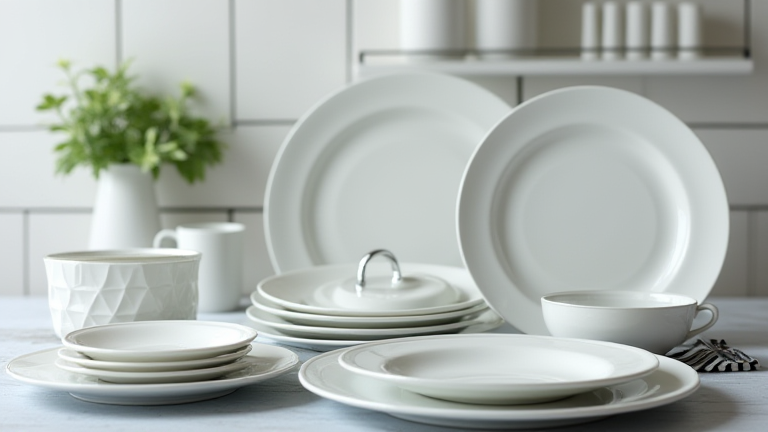
Tech in Porcelain Dinnerware: Innovation & Trends
TL;DR: The intersection of advanced ceramic engineering and digital technology is redefining porcelain dinnerware through smart sensors, self-cleaning surfaces, and sustainable manufacturing processes. These innovations enhance durability, hygiene, and user experience, setting new industry standards for high-end tableware.
The landscape of porcelain dinnerware is undergoing a silent yet profound revolution. While the aesthetic appeal of classic white porcelain remains unchanged, the underlying technology driving its production and functionality has evolved dramatically. Manufacturers are no longer just crafting vessels for food; they are engineering sophisticated products that integrate micro-electronics, nanotechnology, and data analytics. This shift is driven by consumer demand for health-conscious features, environmental sustainability, and seamless integration into the smart home ecosystem.
If you want to dig deeper, check out our guide on Is Porcelain Dinnerware Safe? Health Benefits & Myths.
Material Science and Durability
At the core of modern porcelain innovation is material science. Traditional porcelain, while strong, is susceptible to chipping and thermal shock. New developments involve the incorporation of nano-ceramic composites into the clay mixture. These microscopic additives significantly increase the tensile strength and resistance to impact without compromising the translucency or whiteness that defines premium porcelain. Furthermore, glazing technologies have advanced to include nano-coatings that create a superhydrophobic surface. This means that liquids bead up and roll off the surface, carrying away grease and dirt. This self-cleaning feature reduces the need for harsh detergents and abrasive scrubbing, preserving the integrity of the glaze over thousands of cycles.
Smart Integration and Sensors
The most visible trend is the integration of IoT (Internet of Things) capabilities into dinnerware. Leading brands are experimenting with embedded NFC (Near Field Communication) chips within the base of plates and bowls. When a smartphone taps the base, it can provide detailed information about the dish’s origin, material composition, and care instructions. More ambitiously, some prototypes feature thin-film temperature sensors embedded in the rim. These sensors monitor the temperature of the food in real-time, sending data to a companion app to alert users when their meal reaches the optimal serving temperature or, conversely, when it has cooled too much to be safe. This technology is particularly relevant for the growing market of reheating pre-cooked meals and for parents monitoring baby food temperatures.
Another significant development is the use of UV-C reactive glazes. These specialized surfaces are treated with a photocatalyst that, when exposed to natural light or a small integrated LED, breaks down organic molecules and bacteria on the surface. This passive sterilization feature ensures that the dinnerware remains hygienic even if left unwashed for short periods, addressing major health concerns in post-pandemic dining habits.
Industry Impact and Sustainability
The impact of these technological advancements on the industry is multifaceted. First, it creates a new value proposition for luxury brands. By offering tech-enabled features, manufacturers can justify higher price points, appealing to tech-savvy consumers who value convenience and health. Second, the shift toward sustainable manufacturing technologies, such as 3D printing of ceramic prototypes and energy-efficient kilns, reduces the carbon footprint of production. Digital design tools allow for precise material usage, minimizing waste during the molding process.
However, the industry faces challenges. The integration of electronics into ceramic products raises questions about longevity and repairability. If a smart plate breaks, the electronic component becomes e-waste, complicating recycling efforts. Manufacturers are responding by designing modular electronic components that can be separated from the ceramic body during disposal. Additionally, consumer acceptance of “smart” tableware is still growing. Many users prefer the timeless, tech-free elegance of traditional porcelain. Therefore, the market is likely to bifurcate, with a premium segment adopting smart features and a mass market focusing on enhanced durability and sustainability without digital add-ons.
In conclusion, the future of porcelain dinnerware lies in the invisible integration of technology. The best innovations will be those that enhance the user experience without altering the visual or tactile pleasure of dining. As material science continues to advance, we can expect dinnerware to become not just a vessel for food, but a smart, sustainable, and health-conscious part of our daily lives.</
Leave a Reply