Porcelain Dinnerware Tutorial: Care, Cleaning & Styling
TL;DR: To keep porcelain dinnerware pristine, hand wash with mild detergent and avoid abrasive scrubbers to prevent micro-scratches. For styling, mix patterns intentionally and use neutral bases to let unique designs shine without visual clutter.
Understanding Porcelain Durability
Porcelain is distinct from other ceramic types because it is fired at extremely high temperatures, resulting in a material that is less porous and more durable. This vitrification process makes porcelain resistant to stains and less likely to chip than stoneware or earthenware. However, despite its strength, porcelain is still susceptible to thermal shock. Rapid temperature changes can cause cracks or shattering. Therefore, you must never move a dish directly from the freezer to a hot oven or from a cold sink to a hot dishwasher rack. Always allow the temperature to stabilize gradually to ensure the longevity of your investment. Understanding these physical properties is the first step in proper care, as it informs every subsequent cleaning and handling decision you make.
If you want to dig deeper, check out our guide on Is Porcelain Dinnerware Safe? 7 Health Facts You Need to Kno.
Step-by-Step Cleaning Instructions
While many manufacturers claim their porcelain is dishwasher safe, hand washing remains the gold standard for preserving the luster and intricate details of high-end pieces. Begin by filling a basin with warm, not hot, water. Add a small amount of pH-neutral dish soap. Use a soft sponge or a dedicated microfiber cloth to gently wash the plates, bowls, and cups. Avoid using steel wool or rough scouring pads, as these can leave permanent swirl marks that dull the surface. For stubborn food residue, soak the item in warm soapy water for ten to fifteen minutes before scrubbing. Rinse thoroughly to remove all soap residue, which can cloud the finish over time. Dry immediately with a clean, lint-free towel to prevent water spots, especially if your tap water is hard. If you must use a dishwasher, place items in the top rack only and use a gentle cycle with a rinse aid to prevent spotting.
Styling Tips for Elegant Presentation
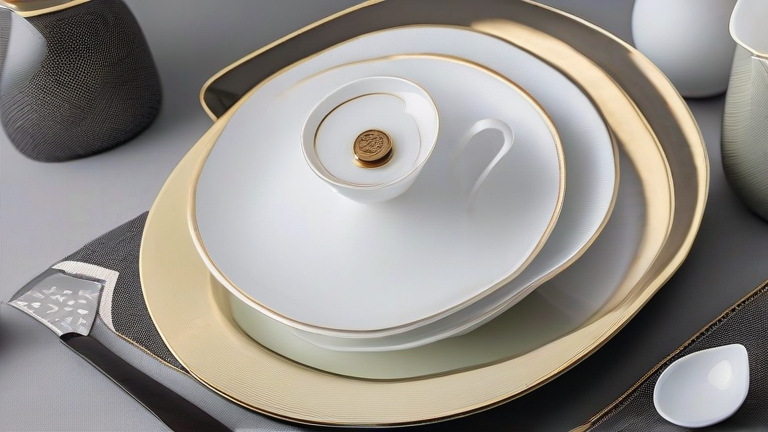
Styling your table with porcelain is an art form that balances aesthetics with functionality. Start with a neutral base, such as white or beige linen placemats, to provide a canvas for your dinnerware. If you have a mix of patterns, adhere to the rule of three. Choose three distinct patterns or colors and repeat them across the table. For example, pair a bold floral plate with a solid color napkin and a simple, monochromatic bowl. Avoid using more than three different patterns, as this can create visual noise and distract from the food. Consider the shape of the porcelain as well. Round plates suggest informality and flow, while square or rectangular plates convey structure and modernity. Use chargers to add height and dimension to the place setting. A large, simple charger can anchor a more delicate, patterned dinner plate, creating a sophisticated layering effect. Finally, ensure that the size of your plates matches the scale of your table. Oversized plates on a small table can feel cramped, while small plates on a large table may look lost.
FAQ
Q: Can I use bleach to clean white porcelain?
A: No, bleach should be avoided as it can degrade the glaze over time and cause discoloration in colored pieces. Stick to mild dish soap.
Q: How do I remove tea or coffee stains from porcelain?
A: Create a paste of baking soda and water, apply it to the stain, and let it sit for thirty minutes before gently scrubbing with a soft cloth and rinsing.
Q: Is it safe to stack porcelain plates tightly?
A: Yes, porcelain is hard enough to withstand stacking, but it is recommended to place a thin felt pad or cloth between each plate to prevent scratching and chipping.
Leave a Reply