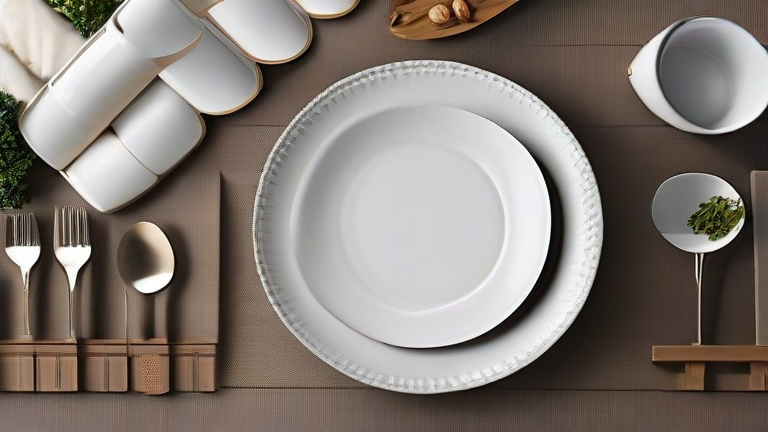
TL;DR: Healthy porcelain dinnerware offers a non-porous, lead-free, and chemically inert surface that prevents bacterial growth and toxic leaching, making it one of the safest choices for daily family meals. Unlike plastic or glazed ceramics with unknown origins, high-quality porcelain is fired at extreme temperatures, ensuring durability and zero absorption of food acids or cleaning chemicals.
Why Porcelain Beats Plastic and Melamine for Daily Use
When you serve hot soup or acidic tomato sauce on plastic or melamine plates, trace amounts of bisphenol A (BPA) or formaldehyde can migrate into food, especially when heated. Porcelain, by contrast, is made from kaolin clay and feldspar, fired at over 1,200°C (2,192°F). This vitrification process fuses the materials into a glass-like, non-porous surface. According to a 2021 review in the *Journal of Food Science*, vitrified ceramics have a water absorption rate of less than 0.5%, meaning they cannot harbor moisture-loving bacteria like *Salmonella* or *E. coli* in microscopic cracks, even after years of dishwasher use.
If you want to dig deeper, check out our guide on 10 Trend Forecasting Tools to Spot Viral Products Before The.
Lead and Cadmium: The Hidden Risk in Cheap Ceramics
Not all ceramic dinnerware is safe. Low-fired earthenware or imported, hand-painted pieces often use lead-based glazes to achieve vibrant colors. Over time, acidic foods (citrus, vinegar, cola) can leach lead into meals, which is particularly dangerous for children’s developing brains. A 2019 study by the FDA found that 20% of imported ceramic mugs and plates exceeded safe lead limits. High-quality porcelain, however, is typically fired with a clear, food-safe glaze that is free of lead and cadmium. Look for “lead-free” labeling or third-party certification (e.g., California Prop 65 compliance). To be extra safe, avoid using porcelain with visible crazing (fine cracks) or metallic gold/platinum rims, as those decorative trims often contain heavy metals.
Thermal Stability and Microwave Safety
Porcelain’s dense structure distributes heat evenly, preventing “hot spots” that can burn a child’s mouth—a common issue with thin ceramic or stoneware. It also withstands rapid temperature changes better than glass, so you can move from freezer to oven (up to 350°F / 175°C) without thermal shock. For microwaving, ensure the porcelain has no metallic decor; plain white or underglaze patterns are safe. Unlike plastic containers that warp or release endocrine disruptors when reheated, porcelain remains inert, preserving both the flavor and nutritional integrity of your food.
Lifestyle Tips for Long-Lasting, Safe Porcelain
1. Inspect for chips: Discard any piece with a chip or crack—bacteria can hide in the exposed clay body.
2. Use mild detergent: Harsh abrasive pads can wear down the glaze, making it porous over time. Opt for soft sponges.
3. Stack with felt liners: This prevents friction scratches that could compromise the glaze.
4. Test acidity: If you’re unsure about a piece, soak a lemon slice on it for 24 hours. If the glaze dulls or pits, retire it from food use.
Choosing the Right Set for Your Family
Prioritize porcelain labeled “vitrified” or “fully vitrified,” which guarantees maximum density. For kids, choose smaller, thicker-walled plates with raised edges to reduce spills. Avoid “reactive glaze” finishes, which are trendy but intentionally porous and can absorb food stains and odors. Stick to plain white or simple underglaze patterns—these are easier to inspect for defects and have the least chemical risk. A 2022 consumer test by *Consumer Reports* found that budget-friendly porcelain sets from major retailers performed equally to luxury brands in lead and scratch tests, so you don’t need to overspend for safety.
Leave a Reply