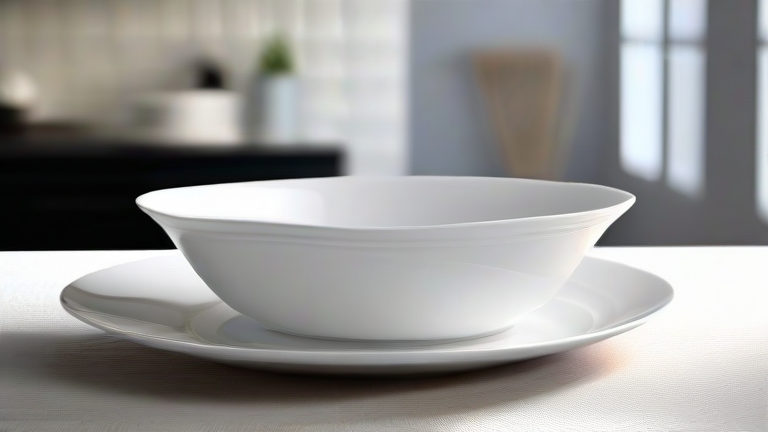
TL;DR: Yes, healthy porcelain dinnerware is a safe, non-toxic choice for daily family meals when it is high-fired, lead-free, and properly glazed. Look for certified brands that avoid heavy metals in the glaze and decorative paints to ensure zero chemical leaching into food.
Why Porcelain Is a Safer Bet Than You Think
Porcelain, fired at over 2,300°F, creates a vitrified, glass-like surface that is naturally non-porous and resistant to bacteria, stains, and odors. Unlike lower-quality earthenware or stoneware, this high-temperature firing seals the clay body, meaning no microscopic cracks for food acids to penetrate. For families, this dramatically reduces the risk of bacterial growth between meals—just a simple wash with warm soapy water keeps it hygienic.
If you want to dig deeper, check out our guide on Why Porcelain Dinnerware Is the Safer, Healthier Choice.
Fact #1: Lead and Cadmium Are the Only Real Threats
The primary health concern with dinnerware isn’t the porcelain itself—it’s the decorative overglaze paints. Many cheap, imported ceramic dishes use lead-based pigments for bright colors or metallic rims. The FDA bans lead in food-contact surfaces, but hand-painted or artisan pieces may still exceed safe limits. Always choose plain white or underglaze-decorated porcelain, and check for a “lead-free” or “cadmium-free” certification from reputable bodies like California Prop 65 or the FDA’s compliance testing.
Fact #2: High-Fired Glaze Means Zero Leaching
When porcelain is properly glazed and fired, the glaze fuses into the body, creating a molecular bond. This means acidic foods—tomato sauce, citrus, vinegar—cannot pull metals or chemicals out of the dish. A simple home test: fill a cup with white vinegar and let it sit for 24 hours. If the glaze remains glossy and the vinegar stays clear, your porcelain is food-safe. This is a science-backed trick used by ceramicists.
Fact #3: Microwave and Dishwasher Safe—But Check the Trim
Pure porcelain is microwave-safe and dishwasher-safe, but metallic rims (gold, platinum, or silver) can spark and leach trace metals under high heat. For family safety, choose plain or matte-glazed porcelain without metallic accents. If you do own decorative pieces, use them only for serving, not for microwaving or eating directly. This simple lifestyle tweak eliminates any risk of metal migration.
Fact #4: Chip-Resistant Yet Not Unbreakable—Handle with Care
Porcelain is harder than stoneware, making it more chip-resistant. But once chipped, the exposed clay body can absorb moisture and harbor bacteria. Replace any chipped or cracked plates immediately. For kids, use a durable porcelain line labeled “reinforced” or “alumina” (some brands add alumina oxide for extra strength). This gives you the beauty of ceramic with a practical, family-friendly toughness.
Fact #5: Bone China Is Porcelain’s Luxurious Cousin
Bone china (containing up to 30% bone ash) is technically a type of porcelain. It’s lighter and more translucent, but just as safe. The bone ash is non-toxic and actually increases strength. However, it’s often more expensive and can be more delicate. For everyday family use, standard high-fired porcelain offers the best balance of safety, durability, and affordability.
Fact #6: Avoid “Vitrified” Confusion—Not All Are Equal
The term “vitrified” on packaging means the clay is fully glassed, but it doesn’t guarantee lead-free paints. Always cross-check with third-party lab reports. Brands like Corelle (a glass-ceramic hybrid) and Japanese or German porcelain manufacturers (e.g., Noritake, Villeroy & Boch) publish their safety data. For budget picks, look for “lead-free” on the box and avoid any dish with a strong chemical smell when new—a red flag for poor firing.
Leave a Reply