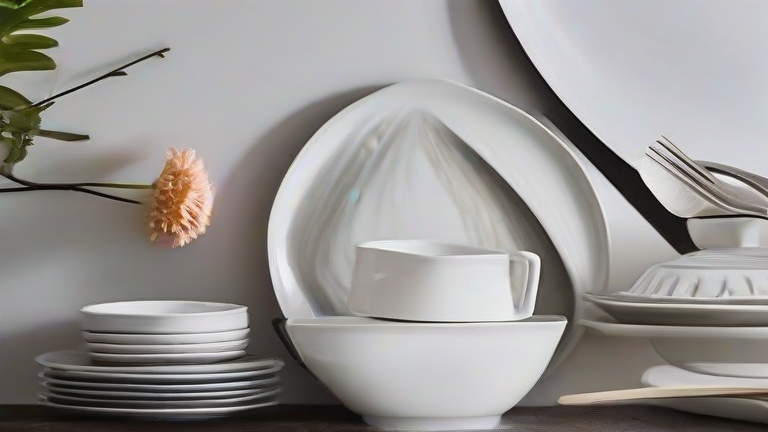
TL;DR: To keep porcelain dinnerware flawless, hand-wash with mild soap and avoid thermal shock, while styling it in mixed neutral layers for a high-end table. Use gentle abrasives only for stubborn stains and always store pieces with felt separators to prevent chipping.
Step 1: Daily Cleaning Essentials
Rinse plates and bowls immediately after use to prevent food acids from etching the glaze. Use a soft sponge or cloth with warm water and a drop of pH-neutral dish soap. Avoid steel wool, abrasive pads, or gritty cleansers—they will microscratch the glossy surface, dulling its translucency over time. For greasy residue, soak in warm soapy water for 10 minutes, then wipe gently.
If you want to dig deeper, check out our guide on Is Porcelain Dinnerware Safe? Health Benefits & Myths.
Step 2: Handling Stains & Discoloration
Tea, coffee, or tomato sauce can leave stubborn rings. Make a paste of baking soda and water, apply with a soft fingertip or cotton pad, and rub in small circles. Rinse immediately. For metal marks from cutlery (gray streaks), use a melamine sponge—but only on the back or unglazed foot ring to avoid dulling the front. Never use bleach; it can yellow the porcelain body.
Step 3: Dishwasher & Microwave Rules
While many porcelain pieces are marked dishwasher-safe, hand-washing is always safer for hand-painted or gold-trimmed items. If using a dishwasher, place pieces upright, not overlapping, and select a gentle cycle with low heat. Skip the heated dry cycle—rapid temperature changes cause crazing (fine cracks in glaze). For microwaving, only use plain white or underglaze-decorated porcelain; metallic rims will spark.
Step 4: Storing to Prevent Chipping
Never stack more than six plates high. Place a soft felt or paper plate liner between each piece, especially for fine china. Store cups and bowls on separate shelves, not nested inside one another. Use a padded divider for serving platters. Keep dinnerware away from direct sunlight for long periods—UV rays can fade colored glazes.
Step 5: Styling Your Table Like a Pro
Mix matte and glossy porcelain finishes for texture. Use a white porcelain dinner plate as a base, then layer a colored salad plate and a textured bread plate. For a modern look, alternate rimmed and rimless pieces. Add linen napkins in earthy tones, and use small porcelain ramekins for dips or salt. Avoid overcrowding—leave a 2-inch border from the table edge. For casual dining, pair porcelain with wooden boards; for formal, pair with crystal glassware and silver flatware.
Step 6: Reviving Dull Glaze
If your porcelain loses its shine, wipe with a solution of one part white vinegar to three parts warm water. Rinse thoroughly and dry with a microfiber cloth. For a deep polish, apply a tiny drop of food-grade mineral oil to a soft cloth and buff the glaze (not the painted areas). This restores luster without leaving residue.
FAQ
Q: Can I put porcelain dinnerware in the oven?
A: Only if it is explicitly labeled “oven-safe” up to a specific temperature (usually 350°F/175°C). Never preheat an empty porcelain dish, and always place it in a cold oven before turning it on to avoid thermal shock.
Q: Why does my porcelain have tiny crack lines after washing?
A: Those are crazing lines caused by rapid temperature changes—e.g., rinsing a hot plate with cold water. Always let pieces cool to room temperature before washing, and avoid switching from hot to cold cycles.
Q: How do I remove a cloudy film from hard water?
A: Soak the piece in a 1:1 white vinegar and water solution for 15 minutes, then scrub gently with a soft brush. Rinse with distilled water and dry immediately. Never use lemon
Leave a Reply