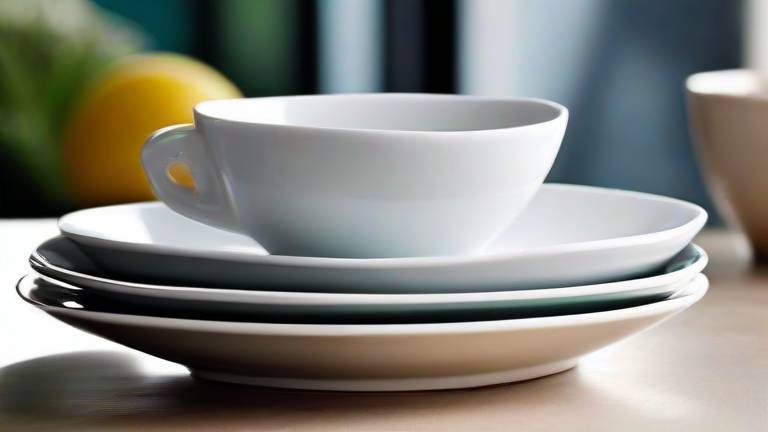
TL;DR: Porcelain dinnerware is safer for your health because it is fired at extremely high temperatures, creating a non-porous, glass-like surface that resists bacterial growth and chemical leaching. Unlike cheaper ceramics or plastic, high-quality porcelain does not release lead, cadmium, or microplastics into your food.
The Hidden Risks in Your Cabinet
Most people never think about what their plate is made of—until a chip reveals a rough, porous interior. Everyday dinnerware can harbor surprising health risks. Stoneware and earthenware, for example, are fired at lower temperatures (1,800–2,100°F), leaving them semi-porous. This means they can absorb food juices, oils, and cleaning chemicals, creating a breeding ground for mold and bacteria over time. Worse, many low-cost ceramic glazes contain lead or cadmium, which can leach into acidic foods like tomato sauce or citrus when the glaze cracks or wears down. A 2022 consumer study found that 20% of imported ceramic mugs tested positive for lead release above safety limits.
If you want to dig deeper, check out our guide on Premium Porcelain Dinnerware: Top 10 Sets for Elegant Dining.
Why Porcelain Wins on Safety
Porcelain, also called “vitreous china,” is fired at 2,300–2,600°F—hot enough to vitrify the clay, turning it into a non-porous, glass-like material. This has three direct health benefits. First, zero porosity means no absorption of bacteria, mold, or food residue. A simple rinse with soap and water removes everything. Second, the high firing temperature fuses the glaze into the body, so there is no separate layer to chip or flake off. Reputable porcelain brands (especially those from Japan, Germany, or labeled “lead-free”) undergo rigorous testing to ensure no cadmium or lead is present in the glaze. Third, porcelain is chemically inert—it does not react with acidic foods, so no metallic taste or trace metal migration occurs.
Lifestyle Tips for Maximizing Safety
To get the full health benefit of porcelain, follow these practical rules. First, always buy from brands that explicitly state “lead-free” and “cadmium-free” on the packaging or website. Avoid vintage porcelain—pre-1970s pieces often contain lead in the glaze. Second, inspect your porcelain regularly. If you see crazing (fine hairline cracks in the glaze) or chips, retire the piece immediately. Crazed porcelain can trap bacteria that survive dishwashing. Third, avoid using porcelain in microwave if it has metallic gold or platinum trim—these decorative metals can arc and release particles. Plain white or minimalist porcelain is safest. Fourth, hand-wash your porcelain with a soft sponge. Dishwasher detergents can slowly erode even high-quality glazes over years, increasing porosity.
Porcelain vs. Other Materials
Compare porcelain to alternatives: plastic plates leach endocrine-disrupting BPA and phthalates, especially when heated. Melamine chips can release formaldehyde. Glass is safe but fragile and heavy. Stainless steel can impart a metallic taste and is poor for hot meals. Porcelain offers the best balance of inertness, durability, and heat resistance. It is also naturally non-stick for oily foods, meaning you use less soap and less water—a subtle environmental and health bonus.
FAQ
Q: Is all porcelain completely free of lead?
A: No. Only porcelain labeled “lead-free” or from certified manufacturers (like Noritake or Villeroy & Boch) is guaranteed safe. Some low-cost imported porcelain may still use lead-based glazes, so always check for certification or buy from trusted brands.
Q: Can I use porcelain for all types of food, including acidic dishes?
A: Yes. High-quality porcelain is chemically inert, so it will not react with vinegar, lemon juice, or tomato sauce. However, if the porcelain is chipped or crazed, acidic foods can accelerate the leaching of any existing glaze metals, so replace damaged pieces.
Q: How long does porcelain dinnerware last before it becomes unsafe?
A: With proper care
Leave a Reply