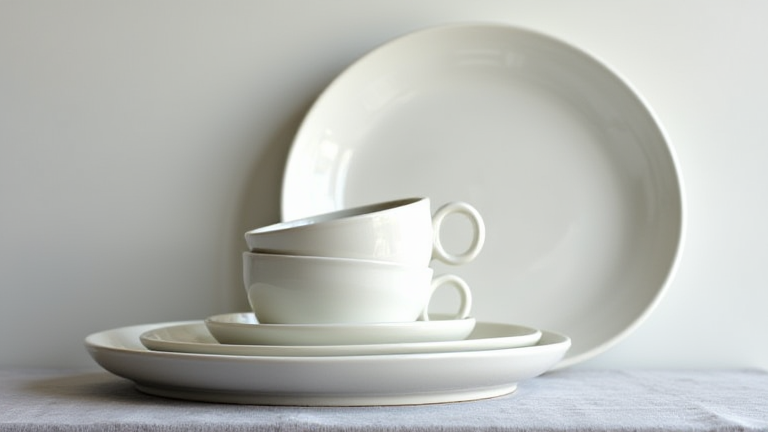
TL;DR: Porcelain dinnerware is generally safe for daily use as it is made from high-quality clay fired at extremely high temperatures, creating a non-porous, inert surface that does not leach harmful chemicals into food. While myths about lead and cadmium exist, reputable porcelain brands adhere to strict safety standards, making it a healthy and durable choice for modern households.
The Science of Porcelain Safety
Porcelain is a type of ceramic that has been a staple in dining rooms for centuries due to its elegance and durability. Unlike stoneware or earthenware, which may require glazing to become watertight, porcelain is inherently non-porous due to the vitrification process. During manufacturing, raw materials are fired at temperatures exceeding 1,200 degrees Celsius. This intense heat melts the silica in the clay, forming a glass-like structure that is chemically stable and physically robust. This scientific basis is why porcelain is often recommended for sensitive individuals who may have concerns about material interactions.
If you want to dig deeper, check out our guide on Are Porcelain Dinnerware Safe? Health Benefits & Myths Debun.
The primary concern surrounding ceramic dinnerware is the potential for heavy metal leaching, specifically lead and cadmium. These elements were historically used in glazes to achieve vibrant colors or lower firing temperatures. However, modern porcelain production, particularly from reputable manufacturers, strictly adheres to regulatory limits set by organizations such as the FDA and the European Food Safety Authority. High-quality porcelain is typically glazed with lead-free materials. Furthermore, because porcelain is fired at such high temperatures, the glaze bonds chemically with the body of the plate, preventing it from chipping or flaking off during normal use. This bonding process ensures that even if the surface is scratched, the underlying material remains inert and safe.
Debunking Common Myths
A widespread myth suggests that all ceramics are toxic if they contain lead. In reality, the issue lies not in the ceramic body itself, but in the glaze composition. Modern porcelain is rarely made with lead-containing glazes, especially for tableware intended for food contact. Another myth is that porcelain absorbs food odors or stains over time. Due to its vitrified, non-porous nature, porcelain does not absorb liquids. This makes it easier to clean and more hygienic than porous materials like wood or unglazed clay, which can harbor bacteria if not cleaned meticulously. The smooth surface of porcelain also prevents the buildup of biofilms, contributing to better overall hygiene in the kitchen.
Some consumers worry about microplastics, but porcelain is a mineral-based product, not a plastic. It is biodegradable in the sense that it breaks down into inert minerals over geological timescales, unlike plastics that persist in the environment. This makes porcelain a more sustainable and health-conscious choice for long-term use. Additionally, porcelain is resistant to thermal shock, meaning it can withstand sudden temperature changes without cracking. This durability reduces the need for frequent replacement, further supporting its status as a safe and reliable dinnerware option.
Lifestyle Tips for Safe Use
To maximize the safety and longevity of your porcelain dinnerware, follow these simple lifestyle tips. First, always purchase from reputable brands that explicitly state their products are lead-free and cadmium-free. Look for certifications or compliance statements on packaging. Second, avoid using porcelain for acidic foods like tomato sauce or citrus-based marinades if the glaze is unknown or if the piece is antique. Acidic foods can accelerate the leaching of metals from compromised glazes. Third, inspect your dishes regularly for chips or cracks in the glaze. If the glaze is damaged, the underlying clay may be exposed, which could potentially harbor bacteria or release materials. Replace any broken items immediately.
When washing porcelain, use a mild detergent and a soft sponge. Avoid abrasive scrubbers that can scratch the glaze, creating microscopic grooves where bacteria can accumulate. Hand washing is generally safer for maintaining the integrity of the glaze, although most modern porcelain is dishwasher safe. If you have older pieces, it is best to hand wash them to prevent wear. By adopting these practices, you ensure that your porcelain dinnerware remains a safe and enjoyable part of your dining experience.
FAQ
Q: Can I
Leave a Reply