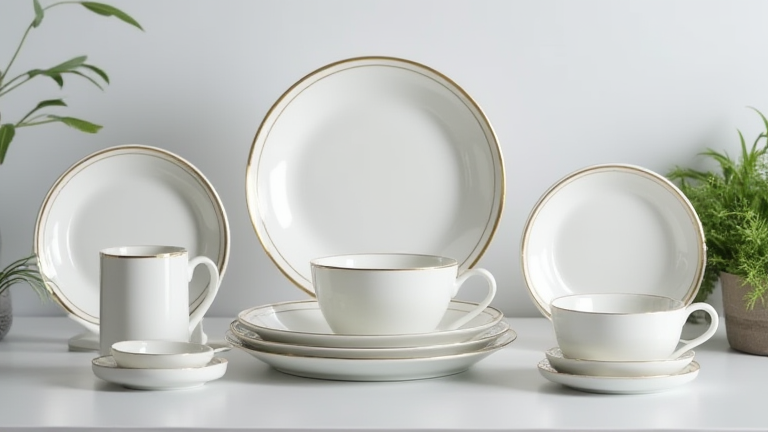
TL;DR: Lead-free porcelain eliminates a silent source of chronic heavy-metal exposure that can leach into hot, acidic, or fatty foods. Switching protects your neurological, cardiovascular, and reproductive health while preserving the elegance of your tableware.
1. Protecting Your Brain from Cumulative Neurotoxins
Lead is a potent neurotoxin with no safe threshold, according to the World Health Organization. Traditional lead-glazed porcelain can release lead ions when exposed to citrus juices, tomato sauces, or coffee. Once absorbed, lead accumulates in bone and soft tissue, where it interferes with synaptic signaling. A 2022 study in Environmental Health Perspectives linked low-level lead exposure to accelerated cognitive decline in adults over 50. Lead-free porcelain uses food-safe glass or boron-based glazes that are chemically inert, ensuring your morning espresso doesn’t deliver a side of heavy metal to your hippocampus.
If you want to dig deeper, check out our guide on Elevate Your Table: The Art of Porcelain Dinnerware.
2. Supporting Cardiovascular and Kidney Function
Chronic lead exposure raises blood pressure and impairs renal filtration. The CDC notes that even blood lead levels below 5 µg/dL can increase hypertension risk. When you serve hot soup or balsamic vinegar on lead-glazed plates, the acid accelerates leaching—especially if the glaze has micro-cracks. Lead-free porcelain eliminates this variable, allowing you to enjoy acidic dishes like lemon-butter fish or pickled vegetables without worrying about dose-dependent damage to your vascular endothelium or nephrons.
3. Shielding Fertility and Pregnancy Outcomes
Lead crosses the placenta and disrupts fetal neurodevelopment, contributing to lower IQ and behavioral issues. For men, lead toxicity reduces sperm count and motility. The FDA’s 2023 guidance on ceramic ware recommends lead-free glazes for all food-contact surfaces, yet antique or imported porcelain may still contain 300–600 ppm lead. By choosing certified lead-free porcelain, you create a safer home environment for conception, pregnancy, and breastfeeding—eliminating a controllable risk factor that no amount of prenatal vitamins can offset.
4. Avoiding Endocrine Disruption from Metal Ions
Lead mimics calcium ions and disrupts hormone signaling, particularly in the thyroid and adrenal glands. A 2021 meta-analysis in Steroids found that low-dose lead exposure alters cortisol rhythms, contributing to fatigue and metabolic dysfunction. Lead-free porcelain with a smooth, non-porous surface resists chipping and crazing—tiny cracks where food acids and lead particles can interact. This means your daily salad bowl won’t become a slow-drip endocrine disruptor, keeping your energy and stress-response systems balanced.
5. Reducing Long-Term Cancer Risk via Cleaner Food Contact
While lead is not a direct carcinogen, its oxidative stress damages cellular DNA, increasing vulnerability to other carcinogens. The International Agency for Research on Cancer classifies lead as “possibly carcinogenic to humans.” Lead-free porcelain eliminates this co-carcinogen, especially when used for hot meals (heat accelerates leaching). For daily use, choose brands that certify to California Prop 65 or EU standard EN 1388, which mandate <0.5 ppm lead extraction. Your dinnerware becomes a passive health ally, not a chemical reservoir.
Lifestyle Tip: Verify Your Porcelain
Perform an at-home test with a lead-swab kit on any unmarked dish. Avoid glossy, hand-painted rims on vintage pieces. For new purchases, look for “lead-free” or “food-safe” labels, and prefer plain white interiors—decoration on the outer surface only reduces contact risk. Hand-wash to preserve the glaze integrity.
FAQ
Q: Is all porcelain lead-free today?
A: No. Many imported, artisan, or vintage pieces still use leaded glazes for shine. Only buy from brands that explicitly test and certify lead-free.
Q: Can I use lead-glazed porcelain for decorative display only?
A: Yes, if it’s never used for food or drink. But keep it away from children’s reach, as dust from chipping can still be
Leave a Reply