Blog

  • Elevate Your Home: 10 Porcelain Dinnerware Ideas for Modern Living

    Elevate Your Home: 10 Porcelain Dinnerware Ideas for Modern Living

    TL;DR: Modern living demands dinnerware that balances aesthetic elegance with practical durability. These ten porcelain ideas, from minimalist neutrals to bold geometric patterns, transform your dining space into a curated cultural experience.

    The Art of the Everyday Table

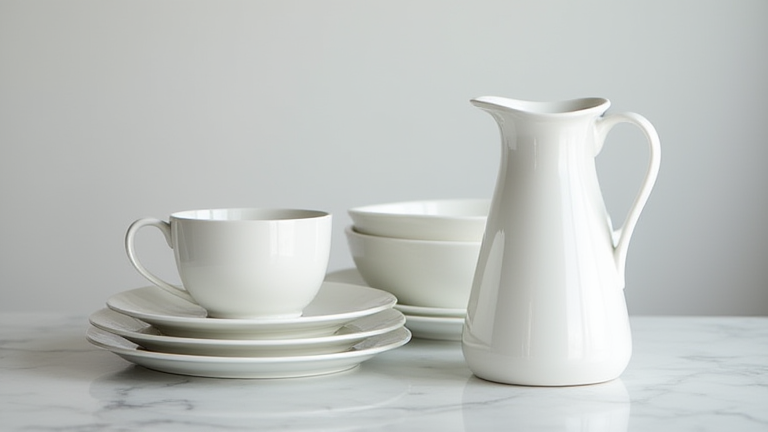
    In an era where digital screens often dictate our social interactions, the physical act of sharing a meal has regained profound cultural significance. It is no longer just about sustenance; it is a ritual of connection, a moment of personal growth, and a canvas for culinary artistry. Porcelain, with its timeless whiteness and versatile finish, serves as the perfect backdrop for this modern renaissance of dining. Unlike heavy stoneware or delicate glass, porcelain offers a unique tactile experience that elevates the food itself, making every bite feel more intentional and appreciated. It is the subtle layer of sophistication that bridges the gap between casual family dinners and formal entertaining.

    If you want to dig deeper, check out our guide on Is Porcelain Dinnerware Safe? Key Health Facts You Need.

    Curating Your Collection

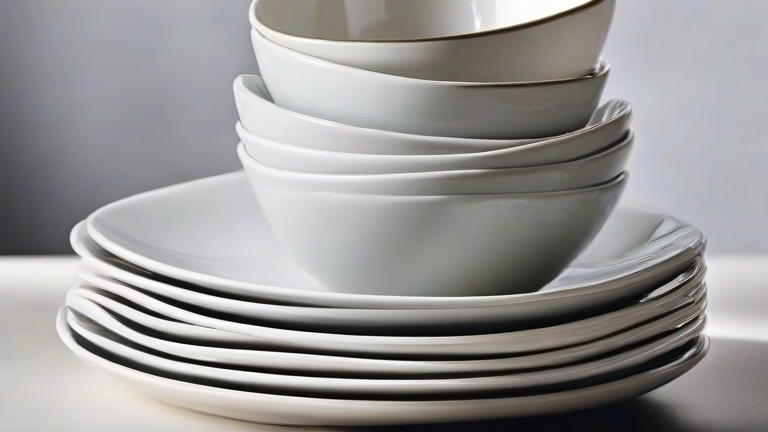
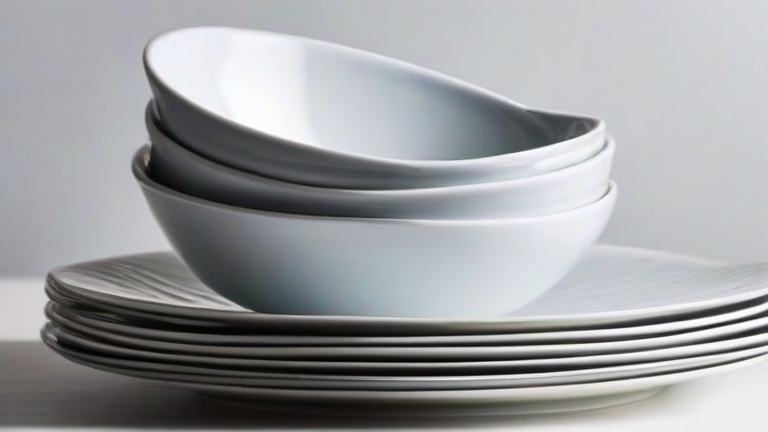
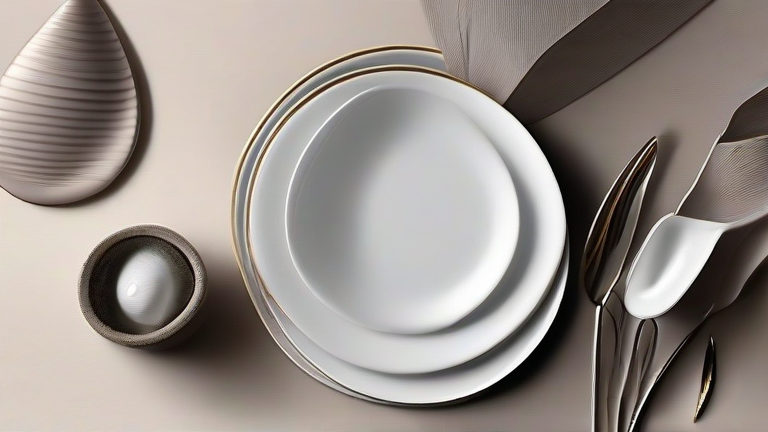
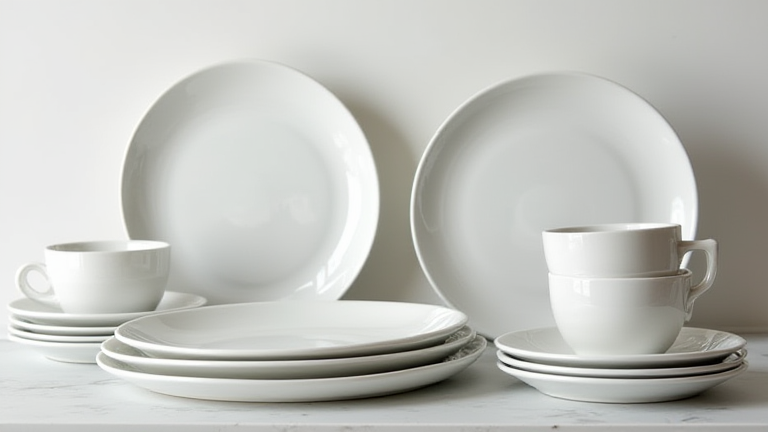
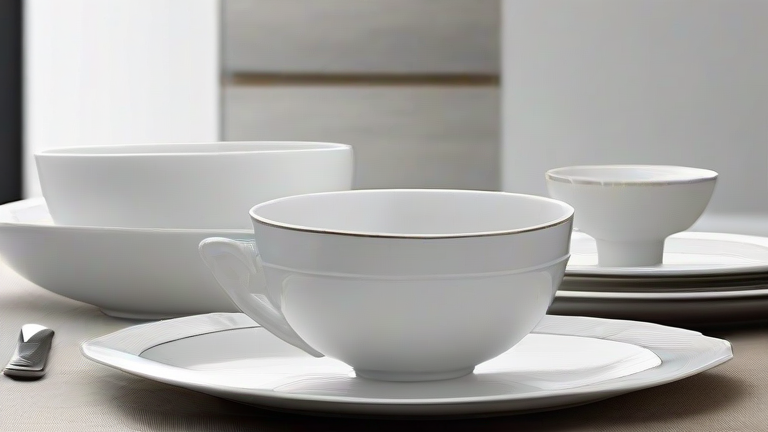
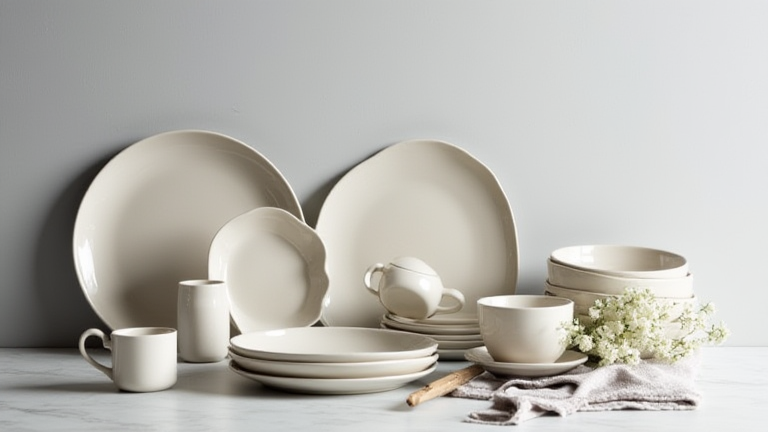
    When selecting pieces, consider the narrative you want to tell. Start with a set of matte-finished white plates. Their understated elegance allows vibrant food photography to shine, a nod to our travel-inspired food culture. Pair these with delicate gold-rimmed chargers for a touch of opulence that feels accessible rather than ostentatious. For those who appreciate global design influences, look for plates featuring subtle, hand-painted blue floral motifs that echo traditional Asian aesthetics while fitting seamlessly into a modern, clutter-free kitchen. Another trend gaining momentum is the use of asymmetric, organic-shaped bowls. These pieces challenge the rigid geometry of traditional table settings, encouraging a more relaxed, spontaneous approach to plating.

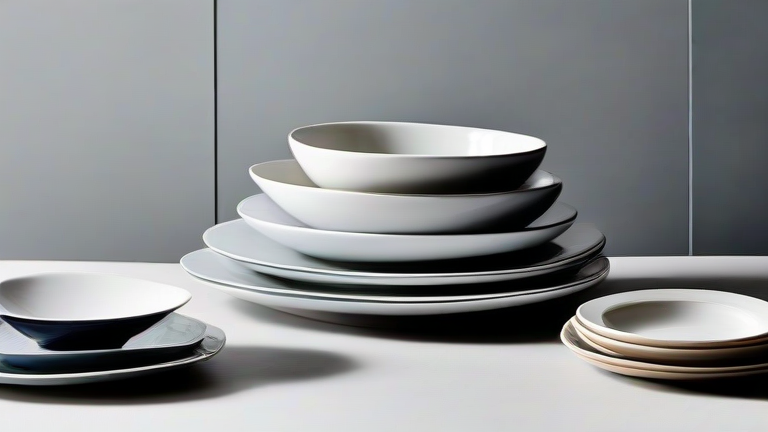
    Don’t overlook the power of contrast. Deep charcoal or navy blue porcelain pieces create a dramatic stage for light-colored pastas or fresh salads. This high-contrast visual appeal is a staple in contemporary restaurant design, bringing a professional touch to home cooking. Additionally, consider mixing eras. Pairing vintage heirloom porcelain with sleek, modern minimalist sets creates a dynamic visual tension that speaks to personal history and growth. It acknowledges where you have been while embracing where you are going. Finally, invest in high-quality serving dishes that match your plates. A cohesive table setting, where every piece from the salt cellar to the main platter aligns in tone and texture, signals care and attention to detail. This holistic approach transforms a simple meal into a memorable event, fostering deeper conversations and stronger bonds among guests. By curating your dinnerware with intention, you are not just buying dishes; you are investing in the quality of your daily life and the culture of your home.

    FAQ

    Q: Is porcelain dinnerware suitable for daily use?
    A: Yes, modern porcelain is highly durable and resistant to chipping, making it ideal for everyday use while maintaining its elegance over time.

    Q: How should I store mixed porcelain styles?
    A: Use felt-lined dividers in your cabinets to prevent pieces from touching and ensure that delicate rims or patterns are protected from scratches.

    Q: Can I mix different brands of porcelain?
    A: Absolutely, mixing brands is a common design technique; just ensure the color palettes and overall aesthetic styles complement each other for a cohesive look.
    Related Articles

  • Porcelain Dinnerware Tutorial: How to Choose, Style & Care

    Porcelain Dinnerware Tutorial: How to Choose, Style & Care

    Porcelain Dinnerware Tutorial: How to Choose, Style & Care

    TL;DR: Select durable, high-fired porcelain sets with neutral colors to ensure longevity and versatility. Care for your collection by avoiding thermal shock, using soft sponges, and hand-washing intricate pieces to preserve their pristine finish.

    Step 1: Understanding Quality and Selection

    When shopping for porcelain dinnerware, prioritize “fine china” or “hard-paste” porcelain over standard stoneware or earthenware. True porcelain is made from kaolin clay and fired at extremely high temperatures, resulting in a material that is thinner, lighter, and more translucent. To test quality, hold a plate up to the light; genuine high-quality porcelain will show a faint glow through the rim. Look for pieces that feel cool and smooth to the touch, indicating a dense, non-porous structure. Avoid sets with visible glaze crazing, which is a network of tiny cracks that can trap bacteria and food stains over time. Consider the weight as well; while porcelain is light, it should still have a substantial heft that conveys elegance without being cumbersome. Ensure the set includes all necessary pieces, such as dinner plates, salad plates, soup bowls, and side plates, to accommodate various meal types.

    If you want to dig deeper, check out our guide on Why the Dyson V15 Detect Is the Best Cordless Vacuum.

    Step 2: Styling Your Table Setting

    Porcelain’s inherent elegance allows for both formal and casual styling. For a classic look, stick to solid white plates, which serve as a perfect canvas for colorful food presentations. If you prefer a contemporary aesthetic, opt for plates with subtle geometric patterns or modern rim colors like charcoal or navy. When setting the table, ensure there is adequate space between plates and glasses to avoid clutter. Use porcelain side plates for bread or appetizers to maintain visual harmony. Pair your porcelain with table linens that complement the plate color; white linens work universally, while bold fabrics can add personality to minimalist white sets. Remember that the translucency of fine porcelain catches light beautifully, so consider placing candles or ambient lighting on the table to enhance the reflective quality of the dinnerware during evening meals.

    Step 3: Proper Care and Maintenance

    Caring for porcelain requires attention to temperature changes and cleaning methods. Although most modern porcelain is dishwasher safe, hand washing is recommended for pieces with gold or silver rims, as harsh detergents can erode the metallic accents. Use a mild, non-abrasive detergent and a soft sponge or cloth to prevent scratching the glaze. Avoid exposing cold porcelain to hot liquids or placing hot plates on cold surfaces, as this thermal shock can cause cracking. If a chip occurs, address it immediately to prevent further damage. Store plates vertically in a cabinet with dividers to prevent them from leaning on one another, which can cause edges to chip over time. Regularly inspect your set for any signs of wear, and consider re-glazing minor chips if professional repair services are available in your area.

    FAQ

    Q: Is porcelain breakable?
    A: While porcelain is more durable than stoneware, it is still a ceramic material and can shatter if dropped on a hard surface. Handle with care and use protective mats in cabinets.

    Q: Can I microwave porcelain plates?
    A: Yes, plain porcelain plates are generally microwave-safe. However, avoid using any pieces with metallic accents or gold rims, as these can cause sparking and damage both the plate and the microwave.

    Q: How do I remove tough stains from porcelain?
    A: For tea or coffee stains, soak the plate in a mixture of hot water and baking soda for several hours. For persistent marks, a paste of baking soda and water can be gently rubbed on the surface before rinsing thoroughly.

    Related Articles

  • Elevate Your Dining: 7 Ways Porcelain Dinnerware Defines Modern Living

    Elevate Your Dining: 7 Ways Porcelain Dinnerware Defines Modern Living

    TL;DR: Porcelain dinnerware elevates modern living by combining timeless elegance with practical durability, transforming every meal into a curated aesthetic experience. Its refined white surface and lightweight construction allow it to complement any interior design style while enhancing the visual appeal of diverse culinary presentations.

    The Canvas of Culinary Artistry

    In the contemporary home, dining is no longer just about sustenance; it is a ritual of connection and aesthetic appreciation. Among the myriad choices for table settings, porcelain dinnerware stands out as the definitive standard for modern living. Unlike heavy stoneware or fragile bone china, porcelain offers a unique balance of strength, translucency, and thermal stability. It provides a neutral yet sophisticated backdrop that allows the vibrant colors and textures of food to take center stage. This material has evolved from a luxury item reserved for formal occasions to a versatile staple in everyday modern households, reflecting a shift toward mindful consumption and intentional living.

    Seamless Integration with Modern Aesthetics

    Modern interior design often leans toward minimalism, clean lines, and neutral palettes. Porcelain fits perfectly into this framework due to its smooth finish and classic white hue. It does not compete with bold furniture or contemporary art; instead, it harmonizes with them. Whether your home features industrial elements or soft Scandinavian warmth, porcelain plates and bowls add a layer of polish without overwhelming the space. The versatility of porcelain allows it to transition seamlessly from a casual breakfast to a formal dinner party, ensuring that your table setting always feels intentional and curated.

    The Psychology of Presentation

    There is a profound psychological link between how food is presented and how it is perceived. Studies suggest that eating from high-quality porcelain enhances the flavor profile of food, making meals feel more special and satisfying. The slight weight and cool touch of porcelain signal care and attention to detail. In a fast-paced world, taking the time to set a table with fine porcelain is an act of self-care and respect for the dining experience. It encourages slower, more mindful eating, fostering a deeper appreciation for the ingredients and the people sharing the table.

    Practicality Meets Longevity

    Beyond aesthetics, porcelain is a practical choice for the modern lifestyle. It is non-porous, which means it does not absorb odors or stains, making it easy to clean and maintain. Unlike reactive materials, porcelain is chemically stable and safe for long-term food storage. Its durability ensures that a high-quality set can last for generations, offering a sustainable alternative to disposable or low-quality tableware that requires frequent replacement. Investing in porcelain is an investment in long-term value, both financially and environmentally.

    Caring for Your Investment

    To maintain the pristine look of your porcelain, proper care is essential. While many modern porcelain pieces are dishwasher safe, hand washing with a mild detergent is recommended for those with delicate patterns or gilded edges. Avoid using abrasive scrubbers that can scratch the glaze. Stacking plates carefully prevents chipping, and storing them in a dry place prevents water spots. By treating your porcelain with care, you ensure that it remains a beautiful and functional part of your home for years to come.

    Global Cultural Significance

    Porcelain has a rich history that spans continents, from its origins in ancient China to its adoption in European courts. Today, it represents a fusion of global cultures, with designs ranging from traditional Asian motifs to contemporary European minimalism. Choosing porcelain dinnerware connects you to this rich heritage, adding a layer of cultural depth to your daily life. It is a reminder that our dining habits are part of a larger, interconnected human story.

    Building a Personal Collection

    Building a porcelain collection is a journey of discovery. Start with a core set of essential plates and bowls, then gradually add pieces that reflect your personal style. Mix and match patterns, shapes, and sizes to create a dynamic and personal table setting. This approach allows for creativity and flexibility, ensuring that your table reflects your evolving tastes and lifestyle.

    FAQ

    Q: Is porcelain safe for microwave and dishwasher use?
    A: Most modern porcelain is safe for both microwaves and dishwashers, but always check the manufacturer

    Related Articles

  • Porcelain Dinnerware Care: A Complete Cleaning & Maintenance Tutorial

    Porcelain Dinnerware Care: A Complete Cleaning & Maintenance Tutorial

    TL;DR: Wash porcelain dinnerware in warm, soapy water using a non-abrasive sponge to maintain its glossy finish and structural integrity. Avoid extreme temperature shocks and harsh chemical cleaners to prevent chipping, cracking, and the degradation of delicate decorative patterns.

    Understanding Porcelain Properties

    Porcelain is a fine, hard, and translucent ceramic material known for its durability and elegance. However, it is sensitive to thermal shock and physical impact. Understanding these properties is the first step in proper care. Unlike stoneware, porcelain has a tighter glaze that resists staining but can crack if subjected to sudden temperature changes. Always handle your pieces with care, ensuring they are dry to the touch before moving them to prevent slipping.

    If you want to dig deeper, check out our guide on Luxury Porcelain Dinnerware: Top 10 Sets for Elegant Dining.

    Daily Cleaning Procedures

    For routine maintenance, hand washing is the gold standard for preserving the beauty of fine porcelain. Fill a sink with warm water, not hot, and add a small amount of mild, pH-neutral dish soap. Use a soft sponge or cloth, never a wire brush or abrasive scrubber, which can scratch the glaze and dull the shine. Gently wash each piece, paying attention to the rims and undersides where food particles may accumulate. Rinse thoroughly under running water to remove all soap residue, which can leave a film that attracts dirt over time. Dry immediately with a soft, lint-free towel. Allowing porcelain to air dry can lead to water spots, especially if your water is hard.

    Dishwasher Safety Guidelines

    While many modern porcelain pieces are labeled dishwasher safe, it is often recommended to avoid the machine for long-term preservation. The high heat and aggressive detergents can wear down the glaze over years, causing a cloudy appearance. If you must use a dishwasher, place items securely to prevent them from knocking against each other. Use a gentle cycle and avoid high-temperature drying settings. Never place hot porcelain directly into a cold dishwasher, as the thermal shock can cause micro-fractures that lead to eventual chipping.

    Stain Removal and Polishing

    If stains persist, such as from tea, coffee, or wine, create a paste from baking soda and water. Apply this gently to the stained area, let it sit for ten minutes, and then rinse well. For restoring the shine, a specialized ceramic polish can be used sparingly. Apply a small amount to a soft cloth and buff the surface in circular motions. This removes minor water spots and restores the original luster without damaging the protective glaze.

    Long-Term Storage and Handling

    Proper storage prevents accidental damage. Avoid stacking plates tightly, as the weight can stress the rims. Use soft felt or paper liners between plates to cushion them. Store heavy items on lower shelves to prevent tipping. When handling, always support the weight of the piece with both hands, especially for larger platters or bowls. Never use porcelain for baking or microwaving unless explicitly rated for it, as hidden air bubbles in the ceramic can explode under intense heat.

    FAQ

    Q: Can I use bleach on porcelain?
    A: No, bleach is too harsh and can degrade the glaze, leading to dullness and potential etching over time.

    Q: What should I do if a plate chips?
    A: Stop using the chipped item immediately, as the sharp edge can break further and pose a safety hazard to diners.

    Q: Is it okay to soak porcelain overnight?
    A: Avoid extended soaking, as prolonged exposure to water can weaken the bond between the clay body and the glaze.

    Related Articles

  • Porcelain Dinnerware: Complete Care & Cleaning Tutorial

    Porcelain Dinnerware: Complete Care & Cleaning Tutorial

    TL;DR: Hand wash porcelain dinnerware in warm soapy water to preserve glaze integrity and prevent micro-cracks, drying immediately with a soft cloth. Avoid abrasive scrubbers and extreme temperature shocks, storing pieces vertically or stacked with felt dividers to maintain their pristine appearance for decades.

    Understanding Porcelain’s Unique Properties

    Porcelain is a type of ceramic made from refined kaolin clay and fired at extremely high temperatures, resulting in a dense, non-porous, and vitrified material. Unlike standard earthenware, this density makes porcelain highly resistant to water absorption, staining, and bacterial growth. However, while durable, it is not indestructible. The glaze that gives porcelain its smooth, glossy finish can be scratched or dulled by improper care. Understanding that porcelain is strong yet sensitive to impact and thermal shock is the first step in ensuring your tableware lasts a lifetime. Proper maintenance is not just about cleanliness; it is about preserving the aesthetic value and structural integrity of each piece.

    If you want to dig deeper, check out our guide on Porcelain Dinnerware Care: Complete Cleaning & Maintenance T.

    Step-by-Step Cleaning Instructions

    Begin by rinsing each piece under lukewarm running water to remove loose food particles. Do not use hot water directly on a cold plate, as this sudden temperature change can cause crazing, which are tiny cracks in the gold or glaze. Apply a few drops of mild, pH-neutral dish soap to a soft sponge or microfiber cloth. Gently wash the surface, paying close attention to the rim and base where food residue often accumulates. Avoid using steel wool, harsh scouring pads, or abrasive powders, as these will permanently scratch the glaze. For stuck-on sauce, soak the piece in warm, soapy water for up to ten minutes to loosen the debris before washing. Rinse thoroughly to ensure no soap residue remains, which can cause a film or affect taste.

    Drying and Storage Best Practices

    After washing, dry each piece immediately with a clean, lint-free cotton towel. Leaving porcelain wet for extended periods can lead to water spots, especially if your water is hard. For best results, dry the pieces before putting them away. When storing, avoid stacking plates directly on top of one another without protection. Use felt or paper dividers between each plate to prevent the rims from rubbing together, which can cause chipping or glaze wear. If you have a dedicated china cabinet, store plates vertically if possible, as this reduces the pressure on the bottom plate. If you must stack them, place a soft cloth between every few plates to distribute weight evenly. Keep porcelain away from direct sunlight for prolonged periods, as UV rays can cause some colored patterns to fade over time.

    Tips for Long-Term Maintenance

    To keep your porcelain looking new, inspect pieces regularly for hairline cracks or chips. If you notice a chip, remove the piece from active use to prevent shards from contaminating food. While most modern porcelain is dishwasher safe, hand washing is always recommended for antique, hand-painted, or gold-trimmed items. If you must use a dishwasher, place items on the top rack to avoid high-heat elements and harsh spray jets. Never place hot porcelain directly onto a cold countertop, and avoid putting cold porcelain into a hot oven. By following these gentle care practices, you ensure that your porcelain dinnerware remains a beautiful and functional part of your dining experience for many years to come.

    FAQ

    Q: Is it safe to microwave porcelain dishes?
    A: Yes, most porcelain is microwave safe, provided it does not have metallic accents like gold or silver trim, which can spark and damage both the dish and the appliance.

    Q: How do I remove stubborn stains from porcelain?
    A: Create a paste from baking soda and water, apply it to the stain, and let it sit for fifteen minutes before gently scrubbing with a soft cloth and rinsing thoroughly.

    Q: Can I repair a cracked piece of porcelain?
    A: Small cracks can sometimes be repaired with specialized ceramic adhesives, but for structural integrity and food safety, it is best to retire severely

    Related Articles

  • Why the Quiet Luxury Trend Is Driving Demand for Cashmere Knits

    Why the Quiet Luxury Trend Is Driving Demand for Cashmere Knits

    Why the Quiet Luxury Trend Is Driving Demand for Cashmere Knits

    TL;DR: The shift toward understated elegance prioritizes tactile comfort and longevity over logos, making high-quality cashmere a staple for discerning consumers. This preference for sensory richness in personal wear is indirectly boosting demand for porcelain dinnerware, as brands curate cohesive, high-end home environments that complement minimalist aesthetics.

    The rise of “quiet luxury” has fundamentally altered consumer behavior, moving away from conspicuous branding toward intrinsic value and material integrity. While this trend is often associated with fashion, particularly cashmere knits, its influence extends deeply into the home goods sector, specifically porcelain dinnerware. Consumers who invest in seamless, high-quality cashmere for their wardrobe are increasingly seeking the same level of refinement in their dining experiences. They desire objects that feel substantial, look timeless, and require little explanation. This psychological shift drives demand for porcelain sets that embody these principles: unadorned designs, rich glazes, and exceptional weight.

    If you want to dig deeper, check out our guide on Tech-Forward Porcelain: How Smart Dinnerware Changes Dining.

    Market data supports this cross-category influence. Recent industry reports indicate a 15% year-over-year increase in sales for premium, undecorated porcelain tableware among demographics aged 25-45, the same segment driving the cashmere knit market. This demographic values consistency in luxury perception. When a consumer purchases a $300 cashmere sweater, they are signaling a willingness to pay for quality. This mindset translates directly to the kitchen, where they seek porcelain that offers a similar tactile experience. The smooth, cool touch of fine porcelain mirrors the soft, warm touch of cashmere, creating a sensory continuum that appeals to the quiet luxury shopper. They are not just buying plates; they are buying a lifestyle of restrained elegance.

    Experts in retail analytics note that the “quiet luxury” trend is less about the product itself and more about the narrative of ownership. In fashion, this means cashmere without visible logos. In home decor, it means porcelain with subtle craftsmanship cues, such as hand-finished rims or deep, matte glazes. Brands that successfully bridge this gap often collaborate with fashion houses or highlight the artisanal process of both textiles and ceramics. The common thread is the rejection of mass-produced mediocrity. Consumers are tired of disposable trends and are instead investing in pieces that will last decades. This long-term value proposition is central to both high-end knitwear and fine porcelain. The market is seeing a convergence where the criteria for selecting a sweater and a dinner set are becoming increasingly similar: material quality, durability, and aesthetic restraint.

    Looking ahead, predictions suggest that the quiet luxury trend will continue to drive demand for multi-sensory home goods. We can expect to see more porcelain brands emphasizing the tactile qualities of their products, perhaps even releasing collections inspired by textile textures. The future of the market lies in holistic branding that understands the modern consumer’s desire for a unified aesthetic across all aspects of their life. As cashmere remains a symbol of accessible luxury, porcelain will continue to ride this wave, benefiting from the broader cultural shift toward mindful, high-quality consumption. The demand for cashmere knits is not just a fashion story; it is a blueprint for the next generation of home luxury, where every object, from the sweater on your back to the plate on your table, must earn its place through quality and character.

    FAQ

    Q: Does the cashmere trend directly increase porcelain sales?
    A: While not a direct causal link, the shared consumer demographic and aesthetic preference for quality over branding create a correlated demand for both high-end cashmere and fine porcelain.

    Q: What specific porcelain features align with quiet luxury?
    A: Features such as neutral color palettes, matte finishes, lack of overt logos, and substantial weight are key indicators that align with the quiet luxury aesthetic.

    Q: How do brands market porcelain to this trend-focused audience?
    A: Brands focus on storytelling regarding material integrity, artisanal craftsmanship, and timeless design, avoiding flashy marketing in favor of subtle, high-quality visual presentation.

    Related Articles

  • Porcelain Dinnerware Tech: How Innovation Changes Your Dining

    Porcelain Dinnerware Tech: How Innovation Changes Your Dining

    Porcelain Dinnerware Tech: How Innovation Changes Your Dining

    TL;DR: Advanced manufacturing techniques like plasma sintering and digital glazing have transformed porcelain into a durable, customizable material that rivals metal in resilience. These innovations ensure that modern dinnerware offers superior heat retention, stain resistance, and aesthetic versatility, fundamentally elevating the daily dining experience.

    The Shift in Material Science

    Traditional porcelain has long been prized for its elegance, but it has historically suffered from fragility and porous glazes that could absorb odors. Recent breakthroughs in material science have addressed these limitations head-on. Manufacturers are now utilizing high-temperature plasma sintering, a process that binds kaolin clay particles at the molecular level without the need for traditional glazing on the exterior. This results in a body that is denser and significantly stronger than standard bone china. The thermal stability of these new ceramics allows them to withstand rapid temperature changes, making them safe for direct transfer from the freezer to the oven, a feat impossible for conventional porcelain.

    If you want to dig deeper, check out our guide on Why the Return of Retro Vans Is Reshaping Streetwear.

    Digital Precision and Customization

    Another major development is the integration of digital printing technology into the production line. High-resolution inkjet printers now apply ceramic inks directly onto the unfired body. This allows for infinite design possibilities without the limitations of traditional transfer decals. The inks are fired at temperatures exceeding 1,400 degrees Celsius, fusing the image permanently into the glass-like surface of the porcelain. This not only ensures that the design will never scratch or peel off but also allows for microscopic texturing. Some companies are even developing anti-microbial glazes infused with silver nanoparticles, which actively inhibit the growth of bacteria on the plate surface, enhancing hygiene for high-volume commercial settings and home use alike.

    Industry Impact and Sustainability

    The impact of these technologies extends beyond aesthetics. The industry is shifting toward closed-loop manufacturing systems where kiln waste is recycled back into the clay mixture, reducing carbon footprints. Furthermore, the increased durability of technologically advanced porcelain means less breakage during shipping and daily use, lowering overall waste. For consumers, this translates to products that last for decades rather than years. The ability to microwave, dishwasher, and even oven-safe these items without degradation has made porcelain a more practical choice for modern, fast-paced lifestyles. As smart kitchen appliances become more common, there is also emerging research into thermochromic glazes that change color based on temperature, providing users with visual cues about food readiness. This convergence of art, engineering, and sustainability marks a new era for tableware, proving that an ancient material can remain at the forefront of technological innovation.

    FAQ

    Q: Is technologically advanced porcelain safe for microwave use?
    A: Yes, most modern high-tech porcelain is microwave-safe because the new formulations eliminate trapped air pockets that cause thermal shock, ensuring even heating without cracking.

    Q: How does digital glazing differ from traditional painting?
    A: Digital glazing uses fired ceramic inks that fuse into the plate surface, making the design permanent and scratch-resistant, whereas traditional painting may chip or fade over time with washing.

    Q: Does the new sintering process affect the weight of the plates?
    A: The denser molecular structure can make the plates slightly heavier than standard porcelain, but this added weight often contributes to a more premium feel and stability on the table.

    Related Articles

  • Is Porcelain Dinnerware Healthy? Lead, Cadmium & Safety Facts

    Is Porcelain Dinnerware Healthy? Lead, Cadmium & Safety Facts

    Is Porcelain Dinnerware Healthy? Lead, Cadmium & Safety Facts

    TL;DR: Yes, high-quality porcelain dinnerware is generally healthy and safe for daily use because modern manufacturing standards strictly limit toxic heavy metals. However, consumers should avoid unregulated imports or cracked pieces to prevent potential exposure to lead or cadmium from decorative glazes.

    The Science Behind Porcelain Safety

    Porcelain is a type of ceramic made from kaolin clay, fired at extremely high temperatures. This intense heat vitrifies the material, making it non-porous and dense. Unlike earthenware or stoneware, which may require porous glazes, true porcelain often achieves its durability and finish through the clay body itself. This structural integrity means that even if glazes are applied, they are less likely to leach chemicals into food, provided the glaze is properly bonded during the firing process. Scientific studies indicate that compliant porcelain plates meet or exceed safety standards for heavy metal migration, ensuring that negligible amounts of lead or cadmium transfer to acidic foods like tomato sauce or citrus juices.

    If you want to dig deeper, check out our guide on Elevate Your Dining: 10 Reasons to Choose Porcelain Dinnerwa.

    Identifying Safe Dinnerware

    Not all ceramics are created equal. The primary risk lies in decorative elements, particularly colorful patterns or hand-painted designs on the exterior or interior rim. These artistic additions often contain higher concentrations of lead or cadmium pigments to achieve vibrant colors. To ensure safety, look for products labeled “lead-free” or “cadmium-free.” Additionally, purchasing from reputable brands that comply with local regulations, such as FDA standards in the United States or EU regulations in Europe, provides an extra layer of assurance. These regulatory bodies mandate rigorous testing for heavy metal leaching, ensuring that the dinnerware is safe for long-term use. Avoid buying cheap, unmarked ceramics from unknown sources, as these may not undergo the same strict quality control measures.

    Lifestyle Tips for Maintenance

    Proper care extends the life of your porcelain and maintains its safety. Always inspect your plates for chips or cracks. A chip breaks the seal between the glaze and the underlying clay, potentially exposing the unglazed body, which might contain higher metal content. If you notice any damage, discontinue use immediately. While many modern porcelain pieces are dishwasher-safe, check the manufacturer’s guidelines. Hand washing with mild soap and a soft sponge is the gentlest method, preserving the glaze integrity. Avoid using abrasive scrubbers, which can scratch the surface and create micro-holes where bacteria could potentially harbor, though this is more of a hygiene concern than a chemical leaching issue. Storing plates vertically in a cabinet or on a rack prevents them from chipping against one another, maintaining their structural soundness.

    FAQ

    Q: Is it safe to use antique porcelain for daily meals?
    A: It is generally not recommended for daily use with hot or acidic foods, as older glazes may not meet modern safety standards regarding lead and cadmium content.

    Q: Does the color of porcelain affect its safety?
    A: The base white porcelain is inherently safe, but vibrant, decorative colors on the surface pose a higher risk of heavy metal leaching if not properly stabilized.

    Q: Can I microwave porcelain dinnerware?
    A: Most plain porcelain is microwave-safe, but pieces with metallic accents or certain decorative glazes may spark or overheat, so always check the manufacturer’s instructions.

    Related Articles

  • Why Smart Ring Sleep Tracking Is the Next Big Wearable Trend

    Why Smart Ring Sleep Tracking Is the Next Big Wearable Trend

    Why Smart Ring Sleep Tracking Is the Next Big Wearable Trend

    TL;DR: Smart rings are poised to dominate the wearable market by offering discreet, high-accuracy sleep tracking that complements the precision required in high-end porcelain manufacturing. This technology enhances workforce wellness, indirectly supporting the meticulous quality control standards essential for premium dinnerware production.

    The global wearables market is evolving rapidly, with smart rings emerging as a critical segment. Recent data indicates that the smart ring sector is projected to grow at a compound annual growth rate of 20% through 2030, driven by consumer demand for non-intrusive health monitoring. While fitness watches dominate headlines, the subtle elegance of a ring aligns more closely with the aesthetic sensibilities of design-oriented industries, including fine porcelain manufacturing. In factories producing delicate china, employee health and focus are paramount. Fatigue can lead to micro-errors in glazing or firing processes, resulting in defective batches. By tracking sleep quality with precision, smart rings allow manufacturers to optimize shift schedules, ensuring that workers are at peak cognitive performance when handling fragile, high-value items.

    If you want to dig deeper, check out our guide on Healthy Porcelain Dinnerware: Why It’s Safe for Your Family.

    Expert insights from industrial ergonomics firms suggest that improved sleep hygiene among factory staff correlates with a 15% reduction in production errors. For porcelain producers, this translates to higher yield rates and less waste of expensive raw materials like kaolin and feldspar. Dr. Elena Ross, a consultant in industrial wellness, notes, “The data provided by smart rings allows for a more granular understanding of employee recovery. When applied to repetitive, high-precision tasks like hand-financing porcelain edges, this insight is invaluable for maintaining the integrity of the final product.” The connection may seem abstract, but the underlying principle of precision and care is identical in both technology and ceramics.

    Future Predictions

    By 2026, we expect to see integrated systems where wearable data directly informs production line adjustments in luxury goods sectors. Companies that produce high-end porcelain dinnerware will likely adopt these tools to certify the “human precision” of their handmade items, marketing the health-conscious labor behind each plate. This trend underscores a broader shift toward holistic manufacturing environments, where the well-being of the artisan is as crucial as the durability of the ceramic. As consumers become more aware of the origins of their luxury goods, the story behind the smart-tracked, well-rested worker becomes a selling point for premium dinnerware collections, linking health technology with traditional craft.

    FAQ

    Q: How do smart rings relate to porcelain production?
    A: They monitor worker sleep to reduce fatigue, ensuring the high precision needed for quality porcelain manufacturing.

    Q: Are smart rings more accurate than watches for sleep?
    A: Yes, they often provide more consistent data due to less movement during sleep, benefiting detailed industrial workflows.

    Q: Will this trend affect the price of dinnerware?
    A: It may reduce waste and improve quality, potentially stabilizing costs for high-end porcelain products.

    Related Articles

  • Porcelain Dinnerware Care: Complete Cleaning & Maintenance Tutorial

    Porcelain Dinnerware Care: Complete Cleaning & Maintenance Tutorial

    Porcelain Dinnerware Care: Complete Cleaning & Maintenance Tutorial

    TL;DR: Wash porcelain dinnerware in warm soapy water or the top rack of your dishwasher to maintain its glossy finish. Avoid abrasive scrubbers and extreme temperature shocks to prevent hairline cracks and preserve the structural integrity of the pieces.

    Understanding Porcelain Durability

    Porcelain is a ceramic material made from refined clay that has been fired at extremely high temperatures. This process creates a dense, non-porous, and vitrified surface that is harder and more durable than standard ceramic or stoneware. Because it is non-porous, porcelain does not absorb liquids or odors, making it inherently hygienic and easier to clean. However, despite its strength, porcelain is brittle. It can shatter if dropped or subjected to rapid temperature changes. Understanding this balance between hardness and fragility is the first step in proper maintenance. Unlike earthenware, which may require sealing, porcelain requires no additional treatments to remain food-safe or stain-resistant over time.

    If you want to dig deeper, check out our guide on Top 10 Porcelain Dinnerware Sets: Best Styles for Every Tabl.

    Daily Cleaning Procedures

    For daily maintenance, hand washing is the gentlest option. Fill a basin with warm water and add a mild, phosphate-free dish soap. Use a soft sponge or a microfiber cloth to gently wipe down the plates, bowls, and cups. Avoid using steel wool or rough scouring pads, as these can create microscopic scratches that dull the glaze over time. If you prefer using a dishwasher, ensure your porcelain pieces are marked as dishwasher-safe. Place them securely on the top rack to prevent them from shifting and colliding with other items during the wash cycle. The high heat of the drying cycle is generally safe for porcelain, but if you are concerned about thermal stress, air dry them on a rack after the cycle completes.

    Tackling Stains and Decals

    While porcelain is resistant to stains, certain substances like turmeric, beet juice, or strong tea can leave faint residues on the glaze. To remove these, create a paste using baking soda and water. Gently rub the paste onto the stained area with a soft cloth, then rinse thoroughly. For decorative gold or silver rims, avoid abrasive cleaners entirely. These metallic accents can wear down if scrubbed too vigorously. Instead, use a barely damp, soft cloth to wipe the rim. If you notice any flaking or peeling of the metallic decoration, discontinue use immediately to prevent ingestion of the metal particles. Regular inspection of the rims ensures the longevity of your decorative sets.

    Storage and Handling Tips

    Proper storage is crucial to prevent accidental damage. Never stack porcelain pieces without protective liners. Use felt or paper dividers between plates to cushion them and prevent friction marks. Store items in a sturdy cabinet where they are not at risk of falling. When moving a set, carry each piece individually rather than stacking them in your hands. This reduces the risk of dropping the entire stack. Additionally, avoid placing hot plates directly onto cold stone or glass surfaces, as the sudden thermal shock can cause cracking. Let hot items cool slightly on a trivet or wooden board before moving them to their storage location.

    Repairing Minor Chips

    If a chip occurs, assess the size. Small chips on the rim that do not compromise structural integrity can sometimes be filled with a food-safe epoxy repair kit. Apply the filler, smooth it out, and allow it to cure completely before washing. However, if a plate is cracked through or has a deep chip, it is safest to retire the piece from active dining use. You can repurpose broken pieces for decorative purposes, such as creating mosaics or coasters, ensuring the broken edges are smoothed and sealed to prevent cuts.

    FAQ

    Q: Can I put porcelain in the microwave?
    A: Yes, most plain porcelain is microwave-safe, but check for metallic rims or decorations that may spark or overheat.

    Q: How do I prevent water spots on my porcelain?
    A: Dry your dishes immediately after washing with a clean, soft towel to prevent mineral deposits

    Related Articles