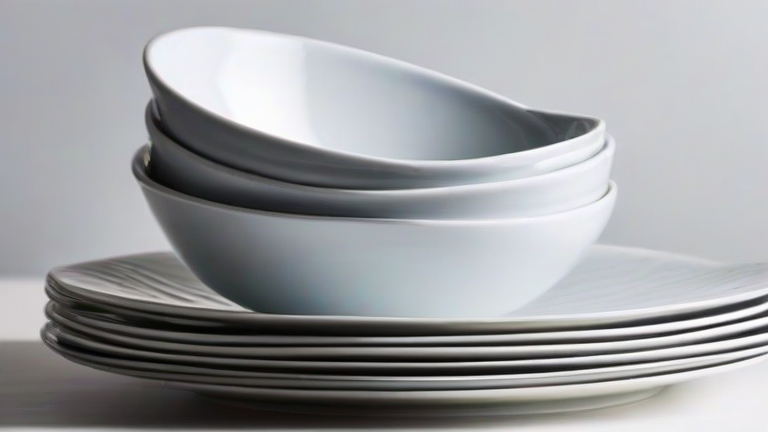
TL;DR: Hand wash porcelain dinnerware in warm soapy water to preserve glaze integrity and prevent micro-cracks, drying immediately with a soft cloth. Avoid abrasive scrubbers and extreme temperature shocks, storing pieces vertically or stacked with felt dividers to maintain their pristine appearance for decades.
Understanding Porcelain’s Unique Properties
Porcelain is a type of ceramic made from refined kaolin clay and fired at extremely high temperatures, resulting in a dense, non-porous, and vitrified material. Unlike standard earthenware, this density makes porcelain highly resistant to water absorption, staining, and bacterial growth. However, while durable, it is not indestructible. The glaze that gives porcelain its smooth, glossy finish can be scratched or dulled by improper care. Understanding that porcelain is strong yet sensitive to impact and thermal shock is the first step in ensuring your tableware lasts a lifetime. Proper maintenance is not just about cleanliness; it is about preserving the aesthetic value and structural integrity of each piece.
If you want to dig deeper, check out our guide on Porcelain Dinnerware Care: Complete Cleaning & Maintenance T.
Step-by-Step Cleaning Instructions
Begin by rinsing each piece under lukewarm running water to remove loose food particles. Do not use hot water directly on a cold plate, as this sudden temperature change can cause crazing, which are tiny cracks in the gold or glaze. Apply a few drops of mild, pH-neutral dish soap to a soft sponge or microfiber cloth. Gently wash the surface, paying close attention to the rim and base where food residue often accumulates. Avoid using steel wool, harsh scouring pads, or abrasive powders, as these will permanently scratch the glaze. For stuck-on sauce, soak the piece in warm, soapy water for up to ten minutes to loosen the debris before washing. Rinse thoroughly to ensure no soap residue remains, which can cause a film or affect taste.
Drying and Storage Best Practices
After washing, dry each piece immediately with a clean, lint-free cotton towel. Leaving porcelain wet for extended periods can lead to water spots, especially if your water is hard. For best results, dry the pieces before putting them away. When storing, avoid stacking plates directly on top of one another without protection. Use felt or paper dividers between each plate to prevent the rims from rubbing together, which can cause chipping or glaze wear. If you have a dedicated china cabinet, store plates vertically if possible, as this reduces the pressure on the bottom plate. If you must stack them, place a soft cloth between every few plates to distribute weight evenly. Keep porcelain away from direct sunlight for prolonged periods, as UV rays can cause some colored patterns to fade over time.
Tips for Long-Term Maintenance
To keep your porcelain looking new, inspect pieces regularly for hairline cracks or chips. If you notice a chip, remove the piece from active use to prevent shards from contaminating food. While most modern porcelain is dishwasher safe, hand washing is always recommended for antique, hand-painted, or gold-trimmed items. If you must use a dishwasher, place items on the top rack to avoid high-heat elements and harsh spray jets. Never place hot porcelain directly onto a cold countertop, and avoid putting cold porcelain into a hot oven. By following these gentle care practices, you ensure that your porcelain dinnerware remains a beautiful and functional part of your dining experience for many years to come.
FAQ
Q: Is it safe to microwave porcelain dishes?
A: Yes, most porcelain is microwave safe, provided it does not have metallic accents like gold or silver trim, which can spark and damage both the dish and the appliance.
Q: How do I remove stubborn stains from porcelain?
A: Create a paste from baking soda and water, apply it to the stain, and let it sit for fifteen minutes before gently scrubbing with a soft cloth and rinsing thoroughly.
Q: Can I repair a cracked piece of porcelain?
A: Small cracks can sometimes be repaired with specialized ceramic adhesives, but for structural integrity and food safety, it is best to retire severely
Leave a Reply