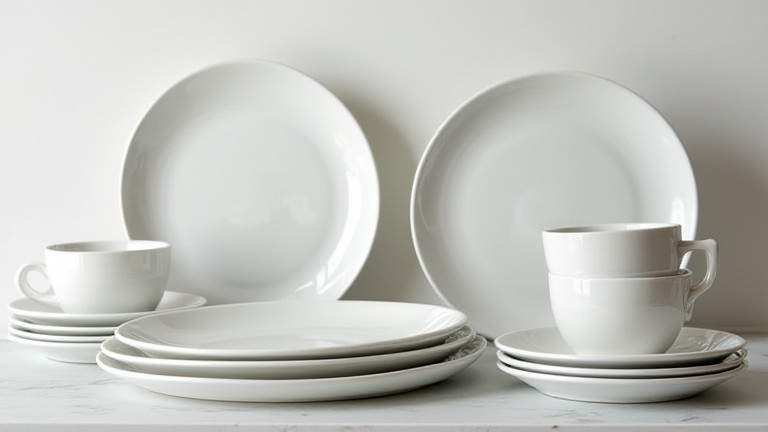
Is Porcelain Dinnerware Healthy? Lead, Cadmium & Safety Facts
TL;DR: Yes, high-quality porcelain dinnerware is generally healthy and safe for daily use because modern manufacturing standards strictly limit toxic heavy metals. However, consumers should avoid unregulated imports or cracked pieces to prevent potential exposure to lead or cadmium from decorative glazes.
The Science Behind Porcelain Safety
Porcelain is a type of ceramic made from kaolin clay, fired at extremely high temperatures. This intense heat vitrifies the material, making it non-porous and dense. Unlike earthenware or stoneware, which may require porous glazes, true porcelain often achieves its durability and finish through the clay body itself. This structural integrity means that even if glazes are applied, they are less likely to leach chemicals into food, provided the glaze is properly bonded during the firing process. Scientific studies indicate that compliant porcelain plates meet or exceed safety standards for heavy metal migration, ensuring that negligible amounts of lead or cadmium transfer to acidic foods like tomato sauce or citrus juices.
If you want to dig deeper, check out our guide on Elevate Your Dining: 10 Reasons to Choose Porcelain Dinnerwa.
Identifying Safe Dinnerware
Not all ceramics are created equal. The primary risk lies in decorative elements, particularly colorful patterns or hand-painted designs on the exterior or interior rim. These artistic additions often contain higher concentrations of lead or cadmium pigments to achieve vibrant colors. To ensure safety, look for products labeled “lead-free” or “cadmium-free.” Additionally, purchasing from reputable brands that comply with local regulations, such as FDA standards in the United States or EU regulations in Europe, provides an extra layer of assurance. These regulatory bodies mandate rigorous testing for heavy metal leaching, ensuring that the dinnerware is safe for long-term use. Avoid buying cheap, unmarked ceramics from unknown sources, as these may not undergo the same strict quality control measures.
Lifestyle Tips for Maintenance
Proper care extends the life of your porcelain and maintains its safety. Always inspect your plates for chips or cracks. A chip breaks the seal between the glaze and the underlying clay, potentially exposing the unglazed body, which might contain higher metal content. If you notice any damage, discontinue use immediately. While many modern porcelain pieces are dishwasher-safe, check the manufacturer’s guidelines. Hand washing with mild soap and a soft sponge is the gentlest method, preserving the glaze integrity. Avoid using abrasive scrubbers, which can scratch the surface and create micro-holes where bacteria could potentially harbor, though this is more of a hygiene concern than a chemical leaching issue. Storing plates vertically in a cabinet or on a rack prevents them from chipping against one another, maintaining their structural soundness.
FAQ
Q: Is it safe to use antique porcelain for daily meals?
A: It is generally not recommended for daily use with hot or acidic foods, as older glazes may not meet modern safety standards regarding lead and cadmium content.
Q: Does the color of porcelain affect its safety?
A: The base white porcelain is inherently safe, but vibrant, decorative colors on the surface pose a higher risk of heavy metal leaching if not properly stabilized.
Q: Can I microwave porcelain dinnerware?
A: Most plain porcelain is microwave-safe, but pieces with metallic accents or certain decorative glazes may spark or overheat, so always check the manufacturer’s instructions.
Leave a Reply