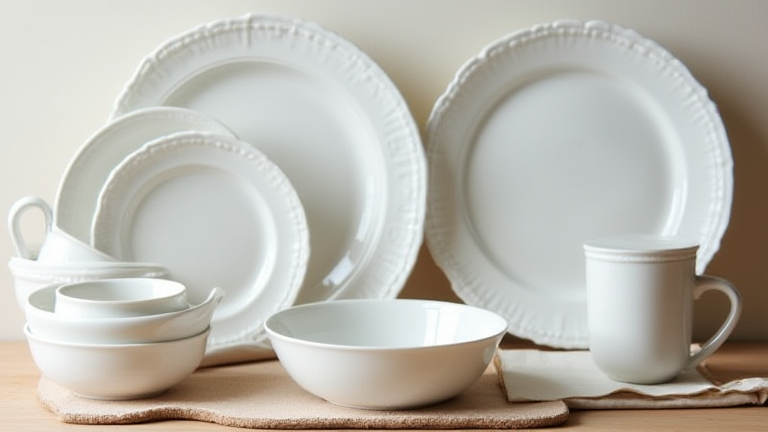
TL;DR: Elevate your dining experience by curating a cohesive porcelain collection that balances timeless elegance with modern functionality. Focus on high-quality materials, thoughtful color palettes, and versatile piece combinations to create a table setting that reflects your personal style.
The Art of the Table
Porcelain is more than just a vessel for food; it is the canvas upon which your culinary narrative is painted. In an era where digital connections often replace face-to-face interactions, the physical act of sharing a meal holds renewed significance. Selecting the right dinnerware is not merely about aesthetics; it is an exercise in personal growth and cultural appreciation. It signals to your guests that you value the ritual of eating together, transforming a simple dinner into a memorable event. Whether you are hosting a formal gala or a casual weeknight supper, the right porcelain sets the tone, inviting guests to slow down and savor the moment.
If you want to dig deeper, check out our guide on Premium Porcelain Dinnerware: Top Brands & Buying Guide.
Curating Your Collection
Start by defining your aesthetic vision. Do you lean towards the minimalist crispness of pure white bone china, or do you prefer the warmth of glazed earth tones? Consistency is key. Ensure that your plates, bowls, and glasses share a cohesive design language. Mix and matching can be chic, but only when done intentionally. For instance, pairing a classic white plate with a textured, artisan-made bowl can add depth and interest without looking cluttered. Consider the occasion as well. Invest in a core set for daily use that is durable and dishwasher-safe, then reserve your most delicate, hand-painted pieces for special celebrations. This tiered approach ensures your table is always appropriate for the event.
Texture and Detail
Texture plays a crucial role in elevating a table setting. Look for pieces with subtle ridges, embossed patterns, or interesting rims. These details catch the light and add visual intrigue. A simple, smooth white plate can look stark, but the same plate with a slightly fluted edge or a thin gold rim instantly gains sophistication. Additionally, consider the weight of the porcelain. Heavier pieces often feel more substantial and luxurious in the hand, enhancing the tactile experience of dining. This sensory engagement is part of the cultural richness of food, connecting us to traditions of hospitality that span centuries.
Practical Elegance
Elegance does not require fragility. Modern porcelain technology has produced pieces that are both beautiful and incredibly durable. Look for high-fired ceramics that resist chipping and staining. This practicality allows you to enjoy your favorite pieces more often, rather than hiding them in the back of a cabinet. Furthermore, proper care extends the life of your investment. Hand-washing delicate items preserves their finish, while regular inspection for hairline cracks prevents accidents. By treating your dinnerware with respect, you honor the craftsmanship involved in its creation. This mindful approach to ownership is a form of personal growth, teaching us to value quality over quantity and presence over haste.
Final Thoughts
Ultimately, your table setting should reflect your personality. It is an extension of who you are and how you wish to interact with the world. By choosing porcelain dinnerware that resonates with your style and values, you create an environment that fosters connection and joy. Whether you are traveling through Europe or hosting friends at home, the right tableware makes all the difference. It turns a meal into a memory, a moment into an experience. So, take the time to choose wisely, and let your table speak volumes about your love for life, food, and the people you share it with.
FAQ
Q: What is the difference between porcelain and china?
A: Porcelain is a specific type of ceramic made from kaolin clay and fired at high temperatures, while china is a broader term often used interchangeably but can refer to various types of ceramic tableware, including stoneware and earthenware.
Q: How do I clean hand-painted porcelain?
A: Hand-painted porcelain should always be hand-washed with a soft sponge and mild soap to preserve the delicate pigments and gold accents, avoiding
Leave a Reply