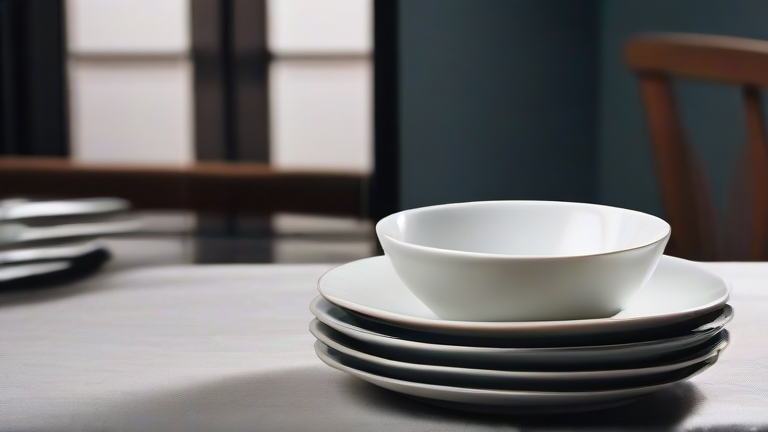
TL;DR: Yes, high-quality porcelain dinnerware is generally safe for daily use because it is fired at extremely high temperatures that render the material chemically stable and non-porous. While rare issues can arise with low-quality or damaged pieces, selecting reputable brands and maintaining your plates properly ensures they remain free of harmful leachates.
The Science of Porcelain Safety
Porcelain is distinct from other ceramics like stoneware or earthenware due to its unique manufacturing process. It is composed of kaolin clay, feldspar, and quartz, which are fired at temperatures exceeding 2,300 degrees Fahrenheit. This extreme heat vitrifies the material, creating a dense, glass-like structure that is impervious to water and food acids. Unlike lower-fired ceramics, high-grade porcelain does not require a lead-based glaze to achieve water resistance, significantly reducing the risk of heavy metal migration into your food.
If you want to dig deeper, check out our guide on Porcelain Dinnerware Guide: How to Clean & Care.
Understanding Potential Risks
Despite its safety profile, consumers should be aware of specific scenarios where risks might emerge. The primary concern involves lead and cadmium, which were historically used in decorative glazes to achieve bright colors. Modern regulations in many countries strictly limit these substances in food-contact products. However, vintage or imported items from unregulated markets may pose a higher risk. Furthermore, chipped or cracked porcelain can compromise the structural integrity of the glaze. If the underlying body is exposed, it may absorb liquids or harbor bacteria, and if the original glaze contained lead, a chip could potentially release trace amounts into food. Therefore, any visible damage warrants immediate replacement.
Lifestyle Tips for Safe Usage
To maintain the safety and longevity of your porcelain dinnerware, adhere to these science-backed practices. First, always purchase from reputable manufacturers who certify their products as lead-free and cadmium-free. Look for labels indicating compliance with local food safety standards. Second, handle your plates with care to prevent chipping. Avoid using abrasive scrubbers that can scratch the glaze, as microscopic scratches can accumulate dirt and bacteria. Third, while most porcelain is dishwasher-safe, frequent thermal shock from moving directly from the freezer to a hot oven can cause crazing (tiny cracks). Allow items to reach room temperature before exposing them to extreme heat changes. Finally, inspect your collection regularly. If you notice any cracks, chips, or flaking glaze, discard the item immediately. By following these simple guidelines, you can enjoy the elegance and durability of porcelain dinnerware with complete peace of mind, knowing your meals are served on a safe and hygienic surface.
FAQ
Q: Is porcelain safe for microwaving?
A: Yes, most high-quality porcelain is microwave-safe because it does not contain metal components that would spark. However, always check the manufacturer’s label, as some decorative pieces may have metallic accents that are not microwave-safe.
Q: Can lead leach from modern porcelain plates?
A: Modern, regulated porcelain dinnerware is generally lead-free and safe. Lead leaching is a risk primarily associated with vintage items, hand-painted imports from unregulated sources, or damaged antique glazes. Stick to certified new products to avoid this risk.
Q: How can I tell if my porcelain is safe?
A: Look for certifications from recognized safety bodies or labels stating “lead-free” and “cadmium-free.” If your plates are from a reputable modern brand and are free of chips or cracks, they are likely safe. When in doubt, avoid using items with unknown origins or visible structural damage.
Leave a Reply