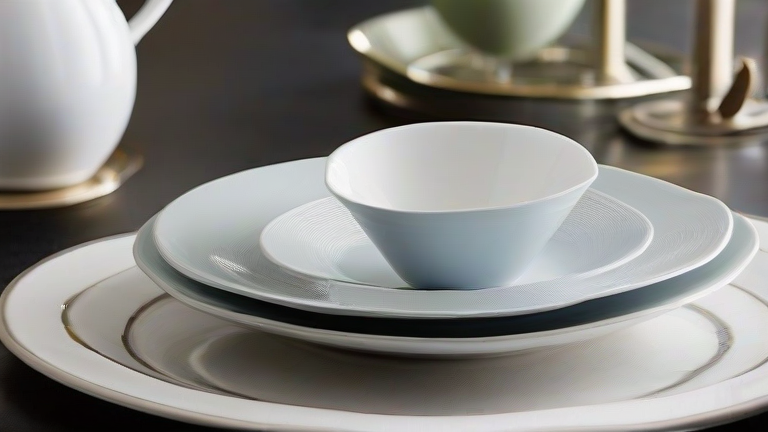
TL;DR: Elevate your table by mixing matte and glossy porcelain finishes to create visual depth and texture. Curate a cohesive color palette and use layered place settings to transform simple meals into sophisticated cultural experiences.
The Art of the Porcelain Setting
In the realm of dining, the vessel is as important as the food. Porcelain, with its translucency, strength, and timeless elegance, serves as the perfect canvas for culinary presentation. However, merely placing white plates on a table is not enough to create a memorable experience. To truly elevate your table, you must understand the interplay of light, texture, and color that porcelain offers. This guide explores ten strategic ways to style your dinnerware, drawing from travel aesthetics, food culture, and personal design growth.
If you want to dig deeper, check out our guide on Is Porcelain Dinnerware Safe? Health Benefits & Risks Explai.
First, consider the power of contrast. Pair sleek, glossy white porcelain with rustic, stoneware-inspired side plates or bowls. This juxtaposition mimics the organic feel of outdoor dining in coastal Europe, where formal elegance meets relaxed hospitality. Second, play with scale. Oversize charger plates in deep navy or charcoal can anchor a setting, while delicate, petite porcelain cups add a touch of refinement. This dynamic range keeps the eye engaged without feeling cluttered.
Texture is another critical element. While standard porcelain is smooth, modern designs often incorporate subtle ribbing or matte glazes. Mixing a matte main plate with a glossy salad bowl creates a tactile journey for the diner. This technique is particularly effective in minimalist interiors, where the lack of background noise allows the subtle variations in the ceramic surface to shine. It reflects a broader cultural shift toward “quiet luxury,” where value is found in material quality rather than ostentatious display.
Color coordination should be intentional but flexible. You do not need to match every piece perfectly. Instead, aim for a harmonious palette. A base of neutral cream porcelain allows for accent pieces in soft pastels or bold terracottas. This approach is inspired by the Mediterranean dining culture, where vibrant ceramics celebrate the season’s produce. It adds a layer of narrative to your meal, telling a story of origin and tradition.
Lighting interacts with porcelain in unique ways. Glossy surfaces reflect light, making the food appear vibrant, while matte finishes absorb light, creating a softer, more intimate atmosphere. Choose your setting based on the time of day. For dinner parties, glossy white porcelain under warm candlelight creates a romantic glow. For brunch, matte pastel tones under natural morning light feel fresh and airy.
Personalize your setting with heirloom pieces. Incorporating vintage porcelain cups or a chipped-but-loved bowl adds character and depth. This practice of mixing old and new is a form of personal growth, acknowledging that perfection is not the goal, but authenticity is. It reminds us that every mark on a plate has a history, just like the people gathered around the table.
Finally, maintain consistency in your service style. If you are serving a multi-course meal, ensure that the sequence of plates flows logically. Start with large, statement pieces for the main course and taper down to smaller, delicate pieces for dessert. This progression guides the diner’s attention and enhances the pacing of the meal. By mastering these ten styling techniques, you transform your porcelain dinnerware from simple utensils into a powerful medium for cultural expression and personal connection. Your table becomes a stage for storytelling, where every plate plays a part in the grand performance of shared dining.
FAQ
Q: Can I mix different brands of porcelain dinnerware?
A: Yes, mixing brands is encouraged as long as the overall aesthetic, such as color palette and edge profile, remains cohesive to avoid visual clutter.
Q: How do I care for handmade porcelain to maintain its style?
A: Handmade pieces should be hand-washed to preserve unique glazes, and stacked with soft cloth separators to prevent scratching from uneven surfaces.
Q: Is it better to use porcelain for formal or casual dining?
A: Porcelain is versatile; it works for formal events due to its elegance, but matte or textured finishes make it equally suitable
Leave a Reply