TL;DR: Wash porcelain dinnerware in warm, soapy water using a non-abrasive sponge to maintain its glossy finish and structural integrity. Avoid extreme temperature shocks and harsh chemical cleaners to prevent chipping, cracking, and the degradation of delicate decorative patterns.
Understanding Porcelain Properties
Porcelain is a fine, hard, and translucent ceramic material known for its durability and elegance. However, it is sensitive to thermal shock and physical impact. Understanding these properties is the first step in proper care. Unlike stoneware, porcelain has a tighter glaze that resists staining but can crack if subjected to sudden temperature changes. Always handle your pieces with care, ensuring they are dry to the touch before moving them to prevent slipping.
If you want to dig deeper, check out our guide on Luxury Porcelain Dinnerware: Top 10 Sets for Elegant Dining.
Daily Cleaning Procedures
For routine maintenance, hand washing is the gold standard for preserving the beauty of fine porcelain. Fill a sink with warm water, not hot, and add a small amount of mild, pH-neutral dish soap. Use a soft sponge or cloth, never a wire brush or abrasive scrubber, which can scratch the glaze and dull the shine. Gently wash each piece, paying attention to the rims and undersides where food particles may accumulate. Rinse thoroughly under running water to remove all soap residue, which can leave a film that attracts dirt over time. Dry immediately with a soft, lint-free towel. Allowing porcelain to air dry can lead to water spots, especially if your water is hard.
Dishwasher Safety Guidelines
While many modern porcelain pieces are labeled dishwasher safe, it is often recommended to avoid the machine for long-term preservation. The high heat and aggressive detergents can wear down the glaze over years, causing a cloudy appearance. If you must use a dishwasher, place items securely to prevent them from knocking against each other. Use a gentle cycle and avoid high-temperature drying settings. Never place hot porcelain directly into a cold dishwasher, as the thermal shock can cause micro-fractures that lead to eventual chipping.
Stain Removal and Polishing
If stains persist, such as from tea, coffee, or wine, create a paste from baking soda and water. Apply this gently to the stained area, let it sit for ten minutes, and then rinse well. For restoring the shine, a specialized ceramic polish can be used sparingly. Apply a small amount to a soft cloth and buff the surface in circular motions. This removes minor water spots and restores the original luster without damaging the protective glaze.
Long-Term Storage and Handling
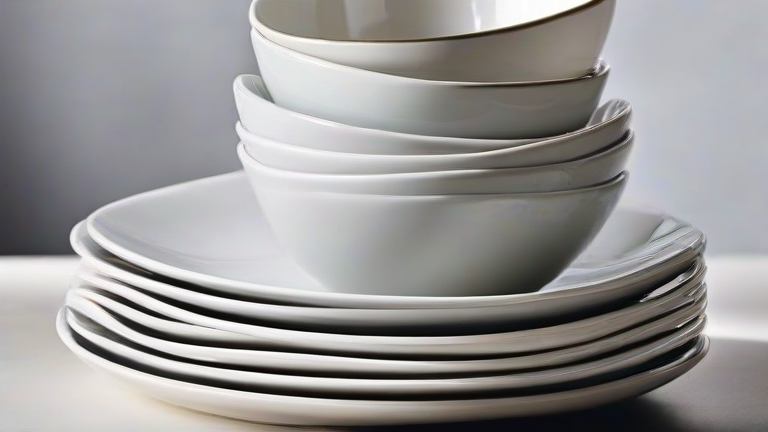
Proper storage prevents accidental damage. Avoid stacking plates tightly, as the weight can stress the rims. Use soft felt or paper liners between plates to cushion them. Store heavy items on lower shelves to prevent tipping. When handling, always support the weight of the piece with both hands, especially for larger platters or bowls. Never use porcelain for baking or microwaving unless explicitly rated for it, as hidden air bubbles in the ceramic can explode under intense heat.
FAQ
Q: Can I use bleach on porcelain?
A: No, bleach is too harsh and can degrade the glaze, leading to dullness and potential etching over time.
Q: What should I do if a plate chips?
A: Stop using the chipped item immediately, as the sharp edge can break further and pose a safety hazard to diners.
Q: Is it okay to soak porcelain overnight?
A: Avoid extended soaking, as prolonged exposure to water can weaken the bond between the clay body and the glaze.
Leave a Reply