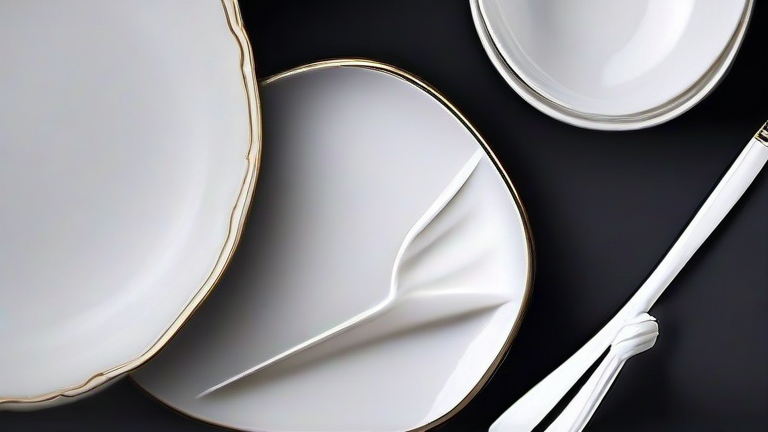
Porcelain Dinnerware Care: 7 Easy Steps to Keep It Spotless
TL;DR: To keep porcelain dinnerware spotless, wash items gently with mild soap and warm water, then dry them immediately to prevent water spots. Avoid abrasive scrubbers and extreme temperature changes to maintain the glaze integrity and prevent chipping.
Step 1: Inspect for Damage Before Washing
Before placing any piece in the sink or dishwasher, carefully inspect the rim and base for hairline cracks or chips. Water seeping into cracks can cause them to expand and worsen during cleaning. If you find significant damage, set the item aside, as it is no longer safe for food use and may shed particles.
If you want to dig deeper, check out our guide on Elevate Your Dining: The Timeless Charm of Porcelain Dinnerw.
Step 2: Use Warm, Not Hot, Water
Porcelain is fired at high temperatures, making it generally durable, but thermal shock can still be a risk. Use warm water for hand washing. Avoid plunging cold dishes into boiling water or vice versa. This temperature stability protects the glaze from stress fractures, ensuring your plates remain structurally sound for years to come.
Step 3: Choose a Mild Dish Soap
Select a pH-neutral, mild dish soap. Harsh alkaline cleaners can dull the glossy finish of porcelain over time. Apply a small amount of soap to a soft sponge or cloth. Avoid using abrasive powders or steel wool, as these will scratch the surface, creating tiny pits where dirt and bacteria can accumulate, making future cleaning much more difficult.
Step 4: Wash Gently in a Circular Motion
Submerge the plate in the soapy water and wipe the surface using gentle circular motions. Pay extra attention to the rim and any decorative patterns, as food residue often gets trapped in recessed designs. For bowls, use a soft brush to clean the interior curves. Do not stack heavy plates on top of lighter ones while wet, as the weight can cause stress on the rims.
Step 5: Rinse Thoroughly to Remove Residue
Rinse each piece under a steady stream of running water to ensure all soap suds are removed. Soap residue can leave a film that attracts dust and makes the surface feel sticky. Check the underside of the plate, as water often pools there. A quick final dip in clean water can help ensure no soap remains, keeping your dinnerware hygienic and ready for storage.
Step 6: Dry Immediately with a Soft Cloth
Do not let porcelain air dry if possible, as water spots are particularly noticeable on glossy white surfaces. Use a lint-free microfiber cloth to dry each piece immediately after rinsing. This step is crucial for maintaining the pristine, shiny look of your collection. If you must air dry, place the items on a drying rack with good airflow and towel them off as soon as they are dry enough to handle.
Step 7: Store Properly to Prevent Chipping
When storing, use padded dividers between plates to prevent them from rubbing against each other. Place heavier items at the bottom of the cupboard. Avoid stacking bowls directly on top of other bowls without a protective layer, such as a soft cloth, to prevent rim damage. Proper storage ensures that your investment in quality porcelain remains protected from accidental knocks and drops.
FAQ
Q: Can I put porcelain in the dishwasher?
A: Yes, most modern porcelain is dishwasher safe, but hand washing is recommended for antique pieces or those with hand-painted designs to preserve the finish and prevent glaze deterioration.
Q: How do I remove stubborn stains from porcelain?
A: Create a paste from baking soda and water, apply it to the stain, and let it sit for ten minutes before gently scrubbing with a soft cloth and rinsing thoroughly.
Q: Is it safe to microwave porcelain plates?
A: Generally, yes, provided the porcelain does not have metallic
Leave a Reply