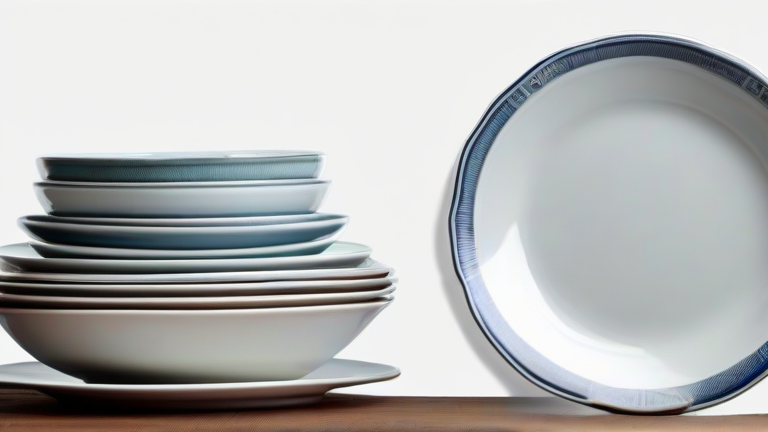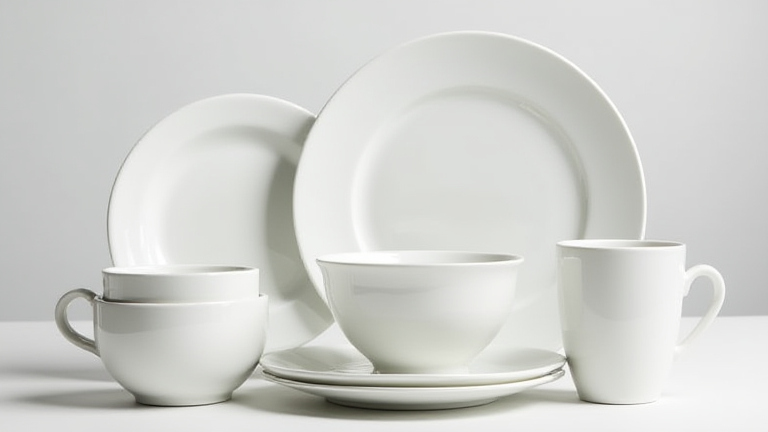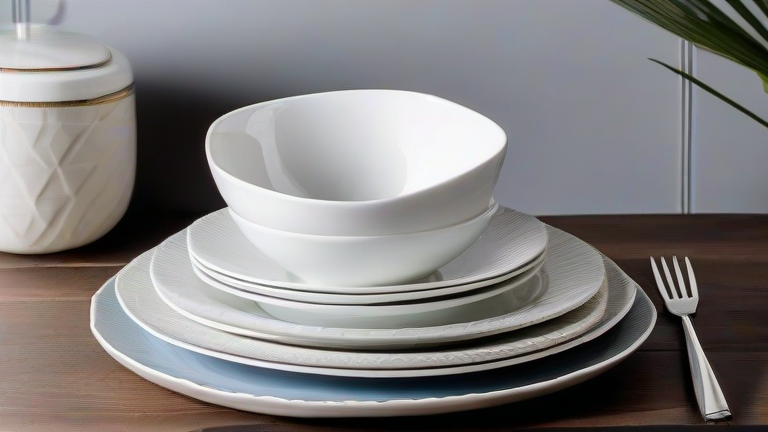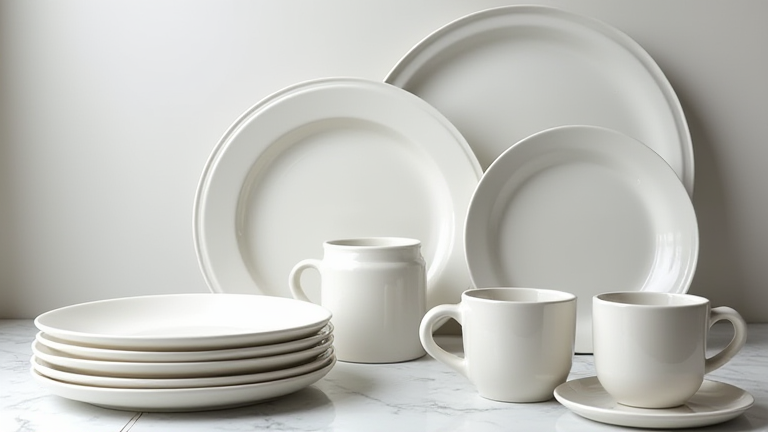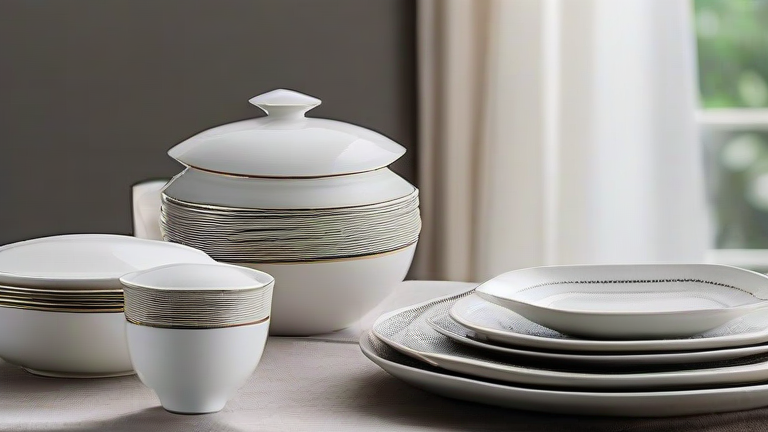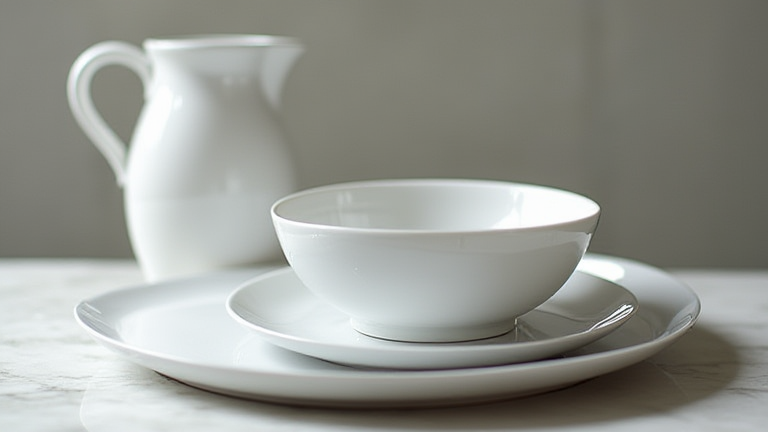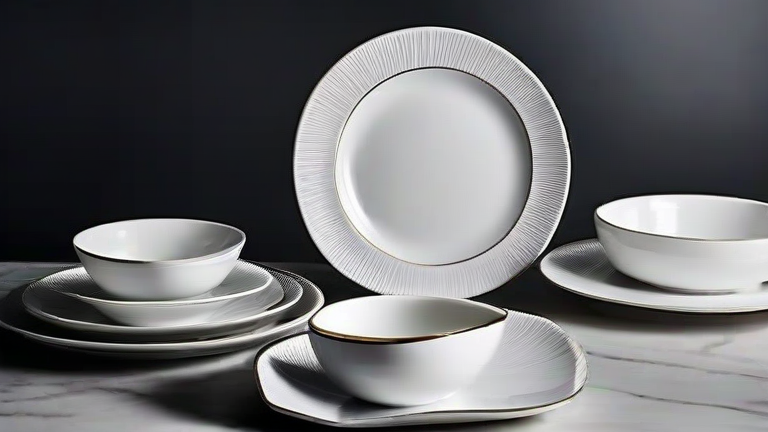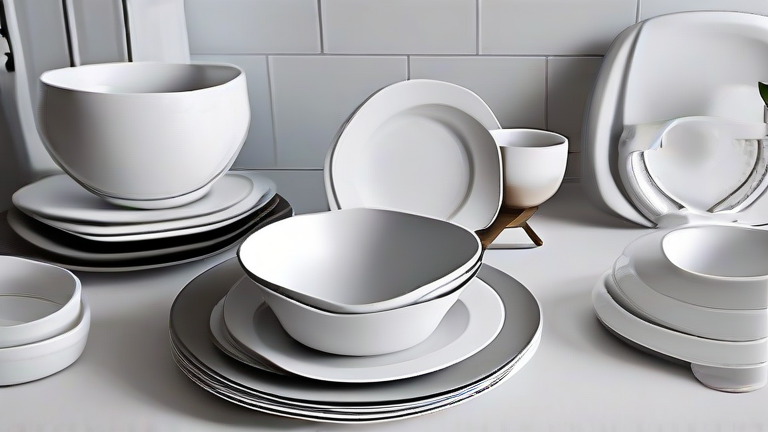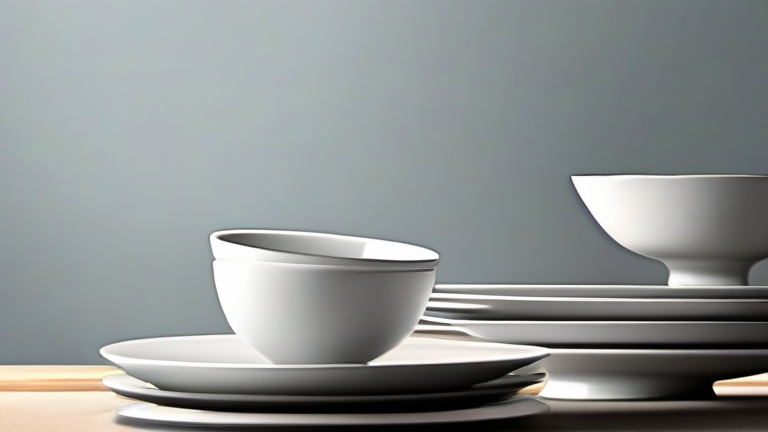
TL;DR: To keep porcelain dinnerware looking pristine, wash it gently with mild soap and avoid thermal shock—never move it from fridge to oven or hot water. Hand-washing with a soft sponge is safest, but if you use a dishwasher, choose a gentle cycle and non-abrasive detergent.
Step 1: Prep & Sort Before Washing
Stack plates and bowls by size, but never nest cups or mugs—they can chip at the rim. Remove any metal flatware, as silver or steel can leave gray streaks on porcelain glaze. Rinse off food scraps immediately with lukewarm water (not cold, not boiling) to prevent staining from acidic foods like tomato or turmeric.
If you want to dig deeper, check out our guide on Is Porcelain Dinnerware Safe? Health Benefits & Care Guide.
Step 2: Hand-Washing (The Safest Method)
Fill a plastic or rubber basin with warm (not hot) water and a few drops of mild, pH-neutral dish soap. Never use abrasive pads, steel wool, or scrubbing powders—these will micro-scratch the glaze and dull the shine. Use a soft sponge or microfiber cloth, washing each piece individually. For stubborn residue, soak in warm soapy water for 10 minutes, then wipe gently. Rinse with warm running water, and dry immediately with a lint-free towel to prevent water spots.
Step 3: Dishwasher Use (If You Must)
Check for a “dishwasher safe” mark on the base—many fine porcelain brands are, but some hand-painted or metallic-trimmed items are not. Load plates upright, facing the spray arm, and never let them touch each other or the rack’s tines. Use a gentle or “china” cycle with a low-heat drying setting. Skip lemon or citrus rinse aids, as they can wear down the glaze over time. Remove dishes as soon as the cycle ends to avoid condensation damage.
Step 4: Prevent Chips & Cracks
Always stack with a soft cloth or paper towel between plates, and store cups on a separate shelf, not stacked. Avoid sudden temperature changes: never pour boiling water into a cold porcelain cup, and never place a hot dish on a cold, wet counter. For daily use, use wooden or silicone utensils instead of metal on platters.
Step 5: Remove Stains & Restore Shine
For tea or coffee stains, rub a paste of baking soda and water gently with your fingertip, then rinse immediately. For stubborn yellowing, soak in a solution of 1 part white vinegar to 3 parts warm water for 15 minutes—no longer, as acid can dull the glaze. Never bleach or use chlorine-based cleaners. To restore a dull glaze, polish with a soft, dry cotton cloth once a month.
FAQ
Q: Can I put porcelain dinnerware in the microwave?
A: Yes, if there is no metallic trim or gold/silver detailing. Plain glazed porcelain is microwave-safe, but heat food in short bursts and use a microwave-safe cover to prevent splatter.
Q: What should I do if a plate gets a small chip?
A: Stop using it for food—chips can harbor bacteria and worsen. Lightly sand the sharp edge with fine-grit (400+) sandpaper, then use it as a trivet or decorative piece. Never glue and reuse for eating.
Q: How do I tell if my porcelain is actually bone china?
A: Hold it up to light—bone china is translucent and thinner, while porcelain is opaque and heavier. Also, tap the rim: bone china rings with a clear, high-pitched tone; porcelain produces a duller thud. Care is identical for both, but bone china is more fragile against knocks.