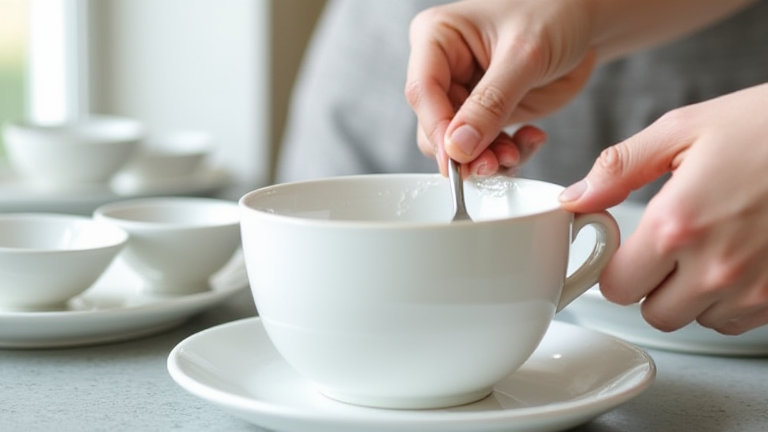
Porcelain Dinnerware Care: Ultimate Cleaning & Repair Tutorial
TL;DR: To maintain pristine porcelain, wash gently with mild soap and a soft sponge, avoiding abrasive scrubbers that cause micro-scratches. For minor chips, use specialized ceramic glue to repair the surface while preventing further damage and moisture infiltration.
Porcelain is a refined ceramic material known for its smooth, glassy finish and durability. However, despite its strength, it requires specific care to preserve its aesthetic appeal and structural integrity. Improper handling can lead to hairline cracks, known as crazing, or dulling of the glaze. This guide provides essential steps to keep your tableware looking new for decades. Proper maintenance not only extends the lifespan of your collection but also ensures hygiene and safety during food preparation. Understanding the nuances of porcelain care allows you to enjoy elegant dining experiences without the fear of accidental damage. Follow these detailed instructions to master the art of porcelain preservation.
If you want to dig deeper, check out our guide on Elevate Your Dining: The Art of Porcelain Dinnerware.
Step-by-Step Cleaning Instructions
Begin by rinsing your plates under warm water to remove loose food particles. Avoid using boiling water, as extreme temperature changes can shock the porcelain, leading to thermal shock and cracking. Apply a small amount of mild, pH-neutral dish soap to a non-abrasive sponge or soft cloth. Gently scrub the surface in circular motions, paying extra attention to areas with stuck-on sauces or oils. For stubborn stains, soak the item in warm soapy water for fifteen minutes before scrubbing. Always rinse thoroughly to ensure no soap residue remains, as this can affect the taste of food and attract dirt over time. Dry the pieces immediately with a soft, lint-free towel to prevent water spots, especially if you live in an area with hard water. Never place hot porcelain directly onto cold surfaces or into a cold oven, as this thermal shock is a primary cause of breakage.
Essential Maintenance Tips
To preserve the glossy finish, avoid using steel wool or harsh scouring pads, which will permanently scratch the glaze. Instead, use only soft sponges or microfiber cloths. While many porcelain items are microwave-safe, check the manufacturer’s guidelines. Avoid microwaving items with metallic rims or decorative gold edges, as this can cause sparks and damage the decoration. For storage, use felt or paper separators between plates to prevent them from rubbing against each other, which can cause glaze wear. Store plates upright in cabinets to maximize space and prevent top-heavy stacks from tipping over. Inspect your collection regularly for signs of wear. If you notice small chips or cracks, address them immediately to prevent them from spreading. Regular inspection helps you identify issues early, allowing for timely intervention.
Repairing Minor Damage
Small chips are common and can be repaired effectively. Clean the chipped area with rubbing alcohol to remove grease and dust, then let it dry completely. Apply a tiny amount of ceramic-specific epoxy or porcelain repair paste to the chip. Smooth it out with a toothpick and allow it to cure according to the product instructions. Once cured, sand the area lightly with very fine-grit sandpaper if necessary, then polish it with a soft cloth. This restores the surface continuity and prevents the chip from catching on utensils. For larger cracks, professional restoration is recommended, as DIY methods may not withstand the heat and pressure of regular use. Never use super glue for food-contact repairs, as it is not food-safe and can leach chemicals into your meals. Always choose repair products labeled as non-toxic and dishwasher-safe.
FAQ
Q: Can I put porcelain in the dishwasher?
A: Yes, most modern porcelain is dishwasher-safe, but hand washing is gentler and preserves the glaze better over time.
Q: How do I remove tea or coffee stains?
A: Soak the stained area in a mixture of warm water and baking soda for an hour, then gently buff with a soft cloth.
Q: Is crazing dangerous for food safety?
A: Crazing itself is not toxic, but the cracks can harbor bacteria; apply a food
Leave a Reply