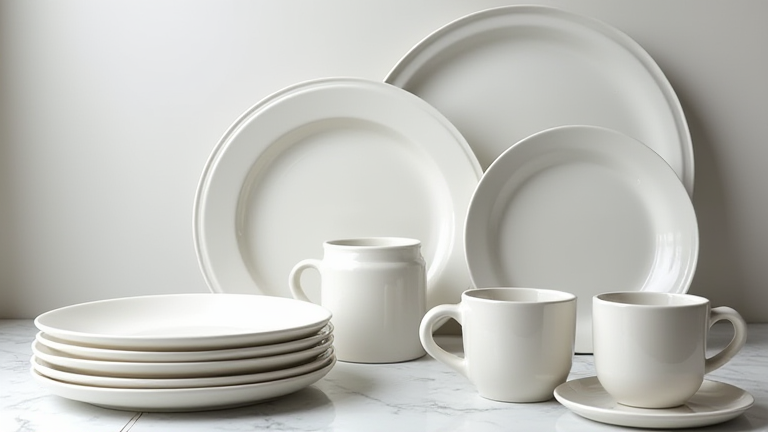
TL;DR: Porcelain dinnerware is a durable, non-porous ceramic fired at high temperatures, making it chip-resistant and elegant. For beginners, focus on choosing vitrified porcelain (fully fused) and learn proper care to avoid thermal shock.
Step 1: Understand What Porcelain Actually Is
Porcelain is made from kaolin clay, feldspar, and quartz, fired at 1,200–1,400°C. This vitrification makes it denser than stoneware or earthenware, giving it a translucent, glass-like finish. Unlike bone china, porcelain contains no bone ash, so it’s slightly heavier but often more affordable. Look for “fully vitrified” labels—this ensures low water absorption (under 0.5%), which prevents cracking in dishwashers.
If you want to dig deeper, check out our guide on Is Porcelain Dinnerware Safe for Your Health?.
Step 2: Choose the Right Porcelain for Your Needs
Decide between hard-paste (traditional, most durable) and soft-paste (more delicate, often decorative). For daily use, pick hard-paste with a reinforced rim—it resists chipping. Avoid hand-painted pieces for everyday meals; the glaze can wear off. Instead, opt for underglaze patterns (colors sealed under a protective glaze) for longevity. Check the base: unglazed foot rings are fine, but fully glazed bases prevent scratching on wooden tables.
Step 3: Test Quality Before Buying
Hold a plate up to light—good porcelain is slightly translucent at the thinnest edges. Tap the rim gently with a metal spoon: a clear, bell-like ring means high density; a dull thud indicates lower quality. Also, check for warping by placing the plate on a flat surface and pressing a corner—if it rocks, it’s defective. For bowls, verify the foot ring is smooth and even.
Step 4: Master Everyday Care
Always pre-rinse acidic foods (tomato sauce, citrus) before stacking—acid can etch the glaze over time. Use a mild liquid detergent and soft sponge; avoid steel wool. In the dishwasher, place porcelain on the top rack, spaced apart, and use a gentle cycle. Never subject cold porcelain to boiling water or a hot oven directly—thermal shock causes hairline cracks. For storage, stack plates with felt pads between them to prevent scratching.
Step 5: Handle Stains and Chips Immediately
For tea or coffee stains, make a paste of baking soda and water, rub gently, rinse. For a small chip, don’t toss the piece—use a fine-grit sandpaper (400 grit) to smooth the edge, then seal with clear nail polish. If a crack appears, stop using the item for food; bacteria can hide in the fissure. Repurpose cracked porcelain as a trinket tray or plant saucer.
FAQ
Q: Can I microwave porcelain dinnerware?
A: Yes, if it’s marked “microwave-safe.” However, avoid pieces with metallic trim (gold or platinum) and never microwave empty porcelain—it can overheat and crack.
Q: How is porcelain different from ceramic for everyday plates?
A: Porcelain is a specific type of ceramic fired hotter (over 1,200°C), making it denser, less porous, and more chip-resistant. Standard ceramic (earthenware) is fired lower, so it’s softer and more prone to crazing (tiny surface cracks).
Q: What’s the best way to remove stubborn residue without damaging the glaze?
A: Soak the item in warm water with a tablespoon of white vinegar for 15 minutes, then wipe with a microfiber cloth. Never use abrasive powders or bleach—they dull the glaze permanently.
Leave a Reply