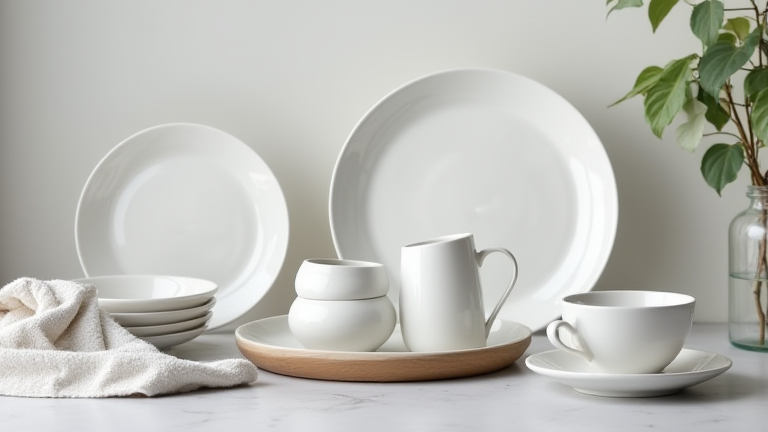
TL;DR: Porcelain dinnerware is a safe, non-toxic choice for daily use because it is made from high-quality clay, feldspar, and silica fired at extremely high temperatures, eliminating the need for lead or cadmium glazes. Its dense, non-porous surface prevents food absorption and bacterial growth, making it a hygienic and durable alternative to lower-quality ceramics.
The Science of Safety in Porcelain
When considering your tableware, material safety is paramount. Unlike some lower-grade ceramics or earthenware, porcelain is manufactured through a rigorous process that prioritizes purity. The raw materials are refined to remove impurities, and the firing temperature typically exceeds 1,300°C (2,372°F). This extreme heat vitrifies the clay, creating a glass-like, dense structure. This process is crucial because it ensures that any potential heavy metals, such as lead or cadmium, which are sometimes used in cheaper glazes to lower firing temperatures, are not required or are effectively locked away. Consequently, certified porcelain is virtually inert, meaning it does not react with acidic foods like tomatoes or citrus juices, preventing any leaching of harmful substances into your meals.
Hygiene and Maintenance
One of the most overlooked health benefits of porcelain is its non-porous nature. Because the material is so dense, it does not absorb liquids, oils, or food particles. This characteristic makes it significantly more hygienic than porous materials like unglazed stoneware or wood. Bacteria and mold cannot penetrate the surface, making porcelain easier to sanitize. For daily maintenance, porcelain is generally dishwasher safe, which helps ensure consistent hygiene without the hassle of hand-washing. When cleaning, avoid abrasive scouring pads that can create micro-scratches; instead, use soft sponges and mild detergents to preserve the smooth, intact surface that keeps your dinnerware safe.
Lifestyle Tips for Long-Term Use
To maximize the health and longevity of your porcelain dinnerware, adopt a few simple lifestyle habits. First, always check for chips or cracks. While minor surface wear is normal, deep cracks can trap food residue and harbor bacteria, making them difficult to clean thoroughly. If a piece is damaged beyond repair, replace it. Second, be mindful of thermal shock. While porcelain is durable, rapid temperature changes—such as moving a cold plate directly into a hot oven—can cause cracking. Allow hot dishes to cool slightly before rinsing with cold water. Finally, store your pieces carefully to prevent chipping, as a well-maintained set retains its structural integrity and safety profile for years. By choosing high-quality porcelain and maintaining it properly, you invest in a safer, healthier dining experience for your entire family.
FAQ
Q: Is all porcelain free from lead and cadmium?
A: High-quality, certified porcelain is generally free from lead and cadmium in its body and glaze, but it is always best to buy from reputable brands that provide safety certifications to ensure compliance with food safety standards.
If you want to dig deeper, check out our guide on 15 Shopify Store Hacks to Boost Your Conversion Rate.
Q: Can porcelain go in the microwave and dishwasher?
A: Yes, most modern porcelain is both microwave and dishwasher safe, provided it does not have metallic accents or delicate gold/silver rims, which can spark in the microwave or wear off in the dishwasher.
Q: How do I know if my porcelain is safe if it has a colored glaze?
A: Look for labels indicating the product is “lead-free” or “cadmium-free,” and ensure the glaze is intact; if the colored surface is flaking or peeling, it is no longer safe for food contact.
Leave a Reply