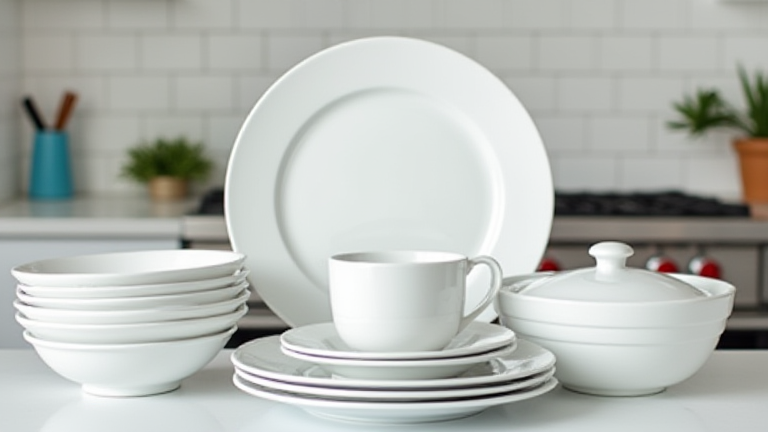
TL;DR: High-quality, lead-free porcelain dinnerware is generally safe for daily use, as modern manufacturing standards strictly limit toxic heavy metals. You can minimize any potential risk by avoiding chipped plates and ensuring your specific brand meets FDA or EU safety regulations.
Understanding the Chemistry of Safe Porcelain
Many people associate porcelain with elegance and durability, but questions about its safety persist. Porcelain is a ceramic material made from kaolin, feldspar, and quartz, fired at extremely high temperatures. This process vitrifies the clay, creating a dense, non-porous surface that does not leach chemicals into food under normal conditions. Unlike lower-quality ceramics, genuine porcelain does not require a glaze to seal the surface, though most commercial pieces are glazed for aesthetic appeal and added durability. The key safety factor is not the porcelain itself, but the materials used in the glaze and decoration.
Debunking Common Myths
A widespread myth is that all colored or patterned porcelain contains dangerous levels of lead and cadmium. While this was a concern in older, imported, or artisanal pieces from decades ago, modern commercial porcelain sold in developed countries is subject to rigorous testing. The U.S. Food and Drug Administration (FDA) and the European Union enforce strict limits on leachable heavy metals. If a piece of porcelain is labeled “lead-free” or “food-safe,” it has undergone testing to ensure that these metals do not migrate into acidic foods like tomato sauce or citrus fruits. Another myth suggests that microwaving porcelain causes toxic release. In reality, microwave-safe porcelain does not heat up significantly and does not release chemicals into food. The heat generated comes from the water content in the food itself, not the plate.
Practical Safety Tips for Home Use
To ensure your porcelain collection remains a safe part of your lifestyle, follow these science-backed guidelines. First, always inspect your plates for chips or cracks. A compromised glaze can expose the underlying clay or decorative pigments, potentially increasing the risk of heavy metal leaching. If a piece is significantly chipped, especially near the rim or where food rests, it is best to retire it from daily use. Second, avoid using abrasive cleaners or steel wool, which can scratch the glaze and create micro-holds for bacteria and potential contaminants. Gentle soap and water are sufficient for cleaning most high-quality porcelain. Finally, when purchasing new dinnerware, look for reputable brands that explicitly state compliance with international safety standards. If you are buying vintage or handmade pieces, consider having them tested for lead content, as older glazes may not meet current safety thresholds. By maintaining your porcelain and choosing certified products, you can enjoy the beauty and durability of your dinnerware without compromising your health.
FAQ
Q: Is it safe to use chipped porcelain plates for acidic foods?
A: No, chipped porcelain should not be used for acidic foods because the exposed glaze or clay may leach heavy metals or harbor bacteria.
Q: Does the color of the porcelain affect its safety?
A: The color itself is not the issue, but the pigments used in colored glazes can contain heavy metals if the product is not certified lead-free.
Q: Can I microwave all types of porcelain safely?
A: Most modern porcelain is microwave-safe, but avoid pieces with metallic rims or decorative accents that can cause sparks in the microwave.
Leave a Reply