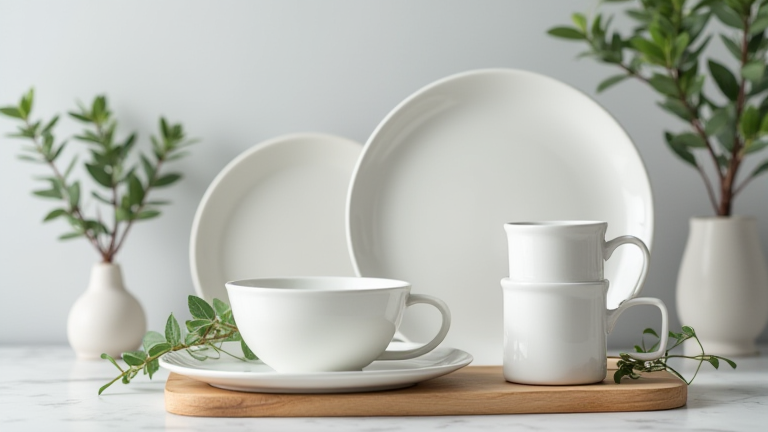
**Safe & Stylish: Is Porcelain Dinnerware Toxic for Your Health?**
TL;DR: High-quality porcelain dinnerware is generally non-toxic and safe for daily use because it is fired at extremely high temperatures that lock in chemical stability. However, consumers should avoid cheap, unglazed, or heavily decorative pieces with lead-based glazes, particularly when using them for acidic foods or microwaving.
The Science of Ceramic Safety
Porcelain is a unique type of ceramic made from kaolin clay, feldspar, and quartz. Unlike lower-grade earthenware, porcelain is vitrified during the manufacturing process. This means it is fired at temperatures exceeding 1,400 degrees Celsius, creating a dense, non-porous structure. From a health perspective, this density is crucial. It prevents the leaching of heavy metals like lead or cadmium into food, which is the primary concern regarding ceramic toxicity. According to the U.S. Food and Drug Administration (FDA) and the European Food Safety Authority (EFSA), compliant porcelain products must meet strict leaching limits. If a piece of porcelain is certified as food-safe by reputable regulatory bodies, the risk of toxic exposure is negligible.
If you want to dig deeper, check out our guide on Luxury Porcelain Dinnerware: Elevate Your Table Setting.
Identifying Risk Factors
While the base material is safe, the glaze and decoration can introduce hazards. Older, vintage porcelain or items from manufacturers in regions with lax regulations may contain lead in the glaze to achieve a glossy finish or vibrant colors. Lead leaching is most likely to occur when the glaze is scratched, when the dish is used to store acidic foods like tomato sauce or citrus, or when the dish is heated in a microwave. Modern, high-fire porcelain produced in the last few decades rarely poses this threat. Always look for labels indicating “lead-free” or “cadmium-free” glazes. Additionally, hand-painted designs, especially those found on ornate or antique pieces, are higher risk than factory-produced, under-glaze decorations, which are sealed beneath the surface and protected from direct food contact.
Lifestyle Tips for Safe Usage
To ensure your porcelain remains a safe and stylish part of your dining routine, adopt a few simple habits. First, inspect your plates regularly. If you notice chips, cracks, or significant wear on the glaze, retire the item. Damaged surfaces increase the surface area exposed to food, potentially allowing any residual metal content to leach more easily. Second, avoid using decorative, hand-painted porcelain for cooking or heating food. Use these pieces for serving only, and opt for plain, white, or solid-colored porcelain for dishes that will go into the oven or microwave. Third, wash porcelain gently. While it is durable, abrasive scrubbing can degrade the glaze over time. Use soft sponges and mild detergents. Finally, when purchasing new dinnerware, buy from established brands that provide explicit safety certifications. Investing in quality porcelain not only elevates your table setting with its elegant aesthetic and durability but also ensures long-term health safety for you and your family.
FAQ
Q: Can I microwave all porcelain dishes?
A: No. While many modern porcelain pieces are microwave-safe, decorative or vintage items with metallic accents or lead-based glazes should never be microwaved. Check for a “microwave-safe” label or test a small, plain piece first.
Q: How do I know if my old porcelain is lead-free?
A: You can use a home lead test kit available at hardware stores, or consult a professional lab. Generally, if the item was made before the 1970s or has bright, raised decorative elements, it is safer to assume it contains lead and avoid food contact.
Q: Is porcelain better for health than melamine?
A> Yes. Porcelain is inert and does not leach chemicals like bisphenol A (BPA) or other plasticizers into food, especially when heated. It is a more stable and non-toxic option compared to many plastic or melamine alternatives.
Leave a Reply