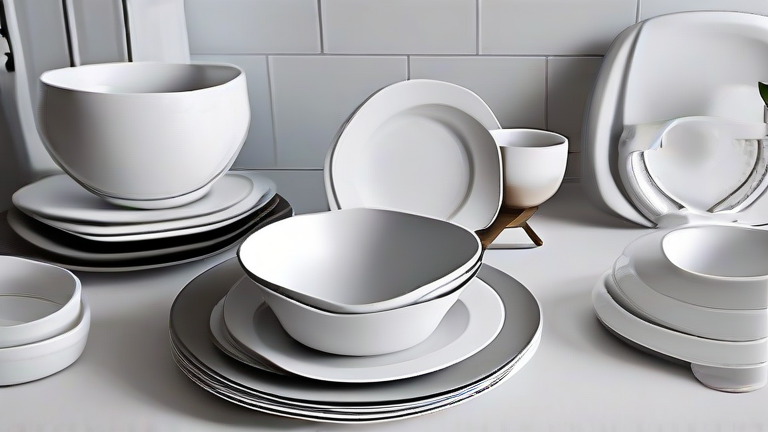
TL;DR: To keep porcelain dinnerware chip-free and gleaming, hand-wash with mild soap and avoid thermal shock, then style by mixing solid white plates with patterned accent pieces. Use felt pads between stacked plates and display them on open shelving for a curated, airy look.
Step 1: Master Daily Cleaning
Rinse plates immediately after use to prevent staining from acidic foods (tomato, curry, wine). Use a soft sponge or cloth with warm water and a pH-neutral dish soap—never abrasive scrubbers, which can dull the glaze. For stubborn residue, soak in warm water with a tablespoon of baking soda for 15 minutes, then wipe gently.
If you want to dig deeper, check out our guide on Elevate Your Dining: Timeless Porcelain Dinnerware for Moder.
Step 2: Handle the Dishwasher Dilemma
While most porcelain is dishwasher-safe, the high heat and harsh detergents can erode metallic rims or gold accents over time. If you must use a dishwasher, select the “delicate” cycle, skip the heat-dry setting, and place items so they don’t touch each other. For heirloom or hand-painted porcelain, always hand-wash—it’s non-negotiable.
Step 3: Prevent Chips & Cracks
Stack plates with a soft felt or paper liner between each piece—porcelain is strong but brittle at the edges. Never stack more than six plates high, and store cups with their handles facing upward to avoid pressure points. Avoid sudden temperature changes: never put a cold plate into a hot oven or pour boiling water into a chilled mug, as thermal shock causes invisible hairline cracks.
Step 4: Style for Everyday Elegance
For a modern tablescape, start with a solid white porcelain dinner plate as your base—it makes food pop. Layer a smaller, patterned salad plate on top (floral or geometric) and finish with a textured porcelain bowl. Mix matte and glossy finishes for depth. For storage styling, display your favorite porcelain on open shelves, grouped by color or pattern, with the stack heights varied for visual rhythm.
Step 5: Remove Stains & Scratches Safely
To remove tea or coffee stains, make a paste of baking soda and water, rub gently with a microfiber cloth, and rinse. For metal marks from cutlery, use a dab of white toothpaste on a soft cloth—buff in circles, then wash. Never use bleach or chlorine-based cleaners; they can permanently strip the glaze.
Step 6: Long-Term Preservation
Once a month, inspect your dinnerware for hairline cracks or “crazing” (fine web-like lines in the glaze). If you spot crazing, stop using that piece for food—bacteria can hide in the micro-cracks. Store rarely-used porcelain in a padded box, wrapped individually in acid-free tissue paper.
FAQ
Q: Can I microwave porcelain dinnerware with metallic accents?
A: No. Any porcelain with gold, platinum, or silver trim is not microwave-safe—the metal will spark and can damage both the dish and the microwave. Use plain-glazed porcelain for microwave use.
Q: Why do my porcelain plates develop tiny brown specks after washing?
A: Those are likely rust particles from a dishwasher rack or iron in your water supply. Wash by hand with filtered water, and dry immediately with a soft cloth to prevent mineral deposits from bonding to the glaze.
Q: Is it safe to serve acidic foods (like lemon or vinegar) on porcelain?
A: Yes, porcelain is vitrified and non-porous, so it won’t react with acids. However, if the glaze is crazed (cracked), acids can seep in and stain. Keep a separate set of “scratch-grade” porcelain for high-acid dishes if you notice crazing.
Leave a Reply