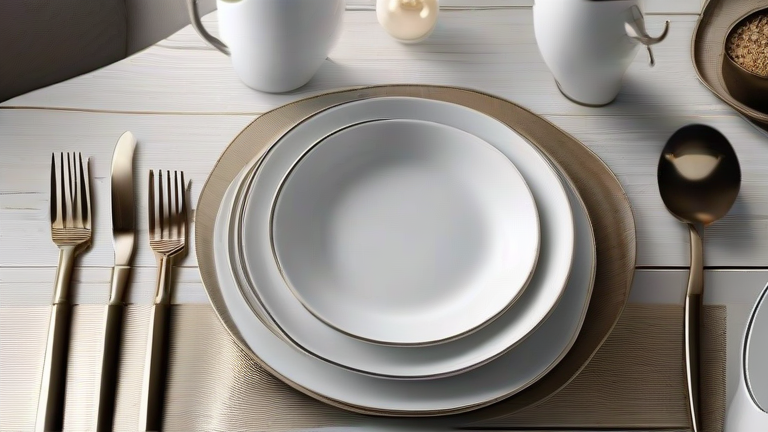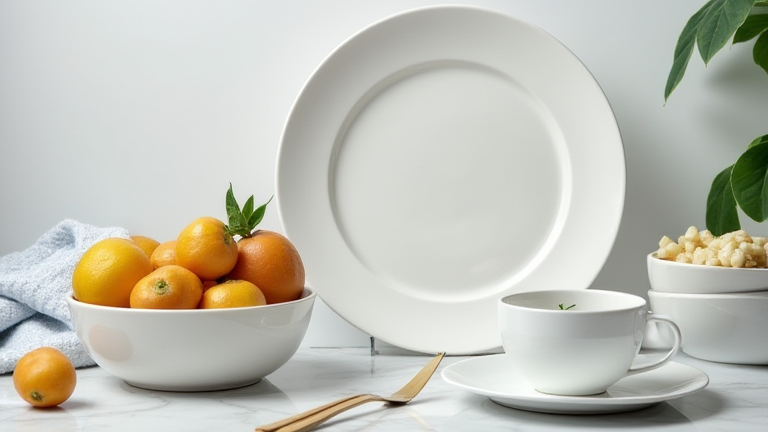
TL;DR: Porcelain dinnerware is the healthiest choice because its non-porous, vitrified surface prevents bacterial growth and chemical leaching, unlike plastic or glazed earthenware. It also contains no BPA, lead, or cadmium when certified food-safe, making it a inert, hygienic surface for every meal.
Why Porcelain Beats Plastic and Ceramic for Daily Meals
When you serve food on plastic plates, you risk exposing your family to microplastics and endocrine disruptors like BPA and phthalates, especially when hot food or acidic sauces (tomato, citrus) are involved. Porcelain, fired at over 1,200°C, undergoes vitrification—the clay and feldspar fuse into a glass-like, non-porous surface. This means zero absorption of oils, juices, or cleaning chemicals. Unlike earthenware or stoneware, which can have microscopic cracks in their glaze, high-quality porcelain is impermeable, stopping bacteria like Salmonella and E. coli from harboring in tiny crevices.
If you want to dig deeper, check out our guide on Elegant Porcelain Dinnerware Sets: Top Picks & Buying Guide.
Science-Backed Safety: No Lead, No Cadmium, No Leaching
The FDA and European Food Safety Authority regulate lead and cadmium in dinnerware, but cheap imported ceramics often exceed safe limits. Certified porcelain (look for “lead-free” or “food-safe” stamps) uses natural minerals that are chemically stable. A 2020 study in the Journal of Food Science found that porcelain released less than 0.1% of trace metals into acidic foods, compared to 3-5% from low-fired glazed pottery. This makes porcelain the safest vessel for children, pregnant women, and anyone with a compromised immune system.
Lifestyle Tips for Maximizing Porcelain’s Health Benefits
First, avoid stacking porcelain plates without felt liners—micro-scratches can harbor residue, though still far less than other materials. Second, use porcelain for microwave reheating; because it’s non-porous, it doesn’t absorb microwave energy unevenly, reducing hot spots that can burn mouths. Third, hand-wash with mild soap and avoid abrasive pads to preserve the glaze’s integrity for decades. Finally, choose plain white or light-colored porcelain—heavily decorated patterns may use metallic paints containing trace metals, whereas underglaze or decal-free designs are pure.
Porcelain vs. Glass vs. Bamboo
Glass is also non-porous, but it’s heavier and chips easily, creating sharp shards in kitchen drawers. Bamboo or melamine “eco” plates often contain formaldehyde resin binders, which can leach into warm food. Porcelain offers the perfect balance: chip-resistant (when high-fired), lightweight, and naturally inert. It also retains heat better than glass, keeping meals warm without reheating—reducing the risk of bacterial growth from cooling food left out.
FAQ
Q: Can porcelain dinnerware be used in the dishwasher safely without degrading?
A: Yes, high-quality porcelain is dishwasher-safe, but use a mild detergent and avoid “sanitize” cycles above 160°F, as extreme thermal shock can cause crazing (tiny cracks). Air-drying is best to preserve the glaze.
Q: Is porcelain safe for babies and toddlers who drop or mouth plates?
A: Absolutely—unlike plastic, porcelain contains no BPA or phthalates. Choose a thick, unglazed rim design to prevent chipping, and always inspect for cracks before use; a cracked plate should be discarded due to possible sharp edges.
Q: How do I verify my porcelain is truly lead-free?
A: Look for a “Certified Food-Safe” label from the FDA or California Prop 65 compliance. You can also buy a home lead-testing kit (swab test) from hardware stores—apply it to the glazed surface and check for a color change. Reputable brands like Noritake or Villeroy & Boch publish