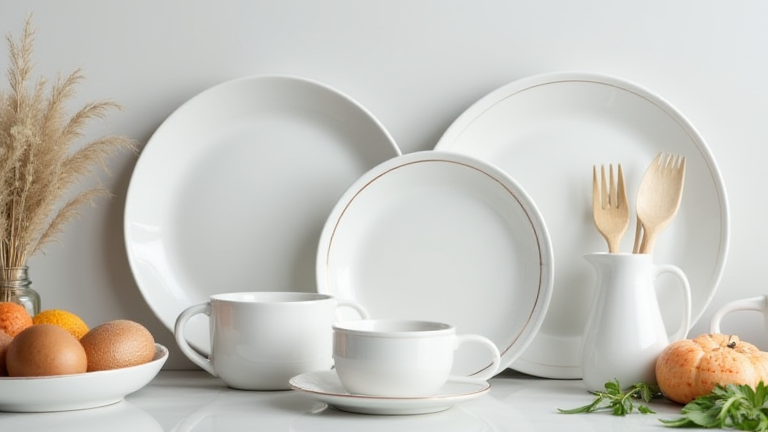
Safe & Stylish: Health Benefits of Porcelain Dinnerware
TL;DR: Porcelain dinnerware is a chemically inert, non-porous material that does not leach harmful substances like lead or cadmium into food when fired at high temperatures. Choosing high-quality porcelain ensures a hygienic, durable, and aesthetically pleasing dining experience that supports long-term health and lifestyle elegance.
The Science of Inertness
In the realm of material science, porcelain is classified as a vitrified ceramic. Unlike lower-grade earthenware or stoneware, which may retain microscopic pores that can harbor bacteria, porcelain is fired at temperatures exceeding 1,200°C (2,200°F). This intense heat causes the clay minerals to fuse into a dense, glass-like structure. Research in food safety confirms that this density prevents the absorption of liquids, oils, and food particles. Consequently, porcelain serves as an ideal barrier between your meal and any potential chemical contaminants. For individuals with chemical sensitivities or those simply seeking to minimize exposure to unknown elements in their diet, porcelain offers a scientifically robust solution. It remains stable under acidic conditions, meaning that serving tomato-based sauces or citrus marinades does not compromise the integrity of the plate or the purity of the food.
Hygiene and Maintenance
From a hygiene perspective, the non-porous nature of porcelain is a significant health advantage. Bacteria, mold, and mildew require moisture and porous surfaces to thrive. Because porcelain repels water and resists staining, it is exceptionally easy to sanitize. A simple wash with mild detergent and hot water is sufficient to eliminate 99.9% of common pathogens. This ease of maintenance reduces the need for harsh chemical disinfectants, which can sometimes leave residues on less durable materials. Furthermore, high-quality porcelain is chip-resistant and durable, reducing the likelihood of micro-fractures where bacteria can hide. This durability extends the lifespan of your tableware, offering a sustainable alternative to frequently replaced lower-quality options. By maintaining a clean and intact surface, you contribute to a healthier dining environment for your family.
Lifestyle and Aesthetic Well-being
Well-being extends beyond physical health to include psychological comfort and aesthetic pleasure. The act of eating is a multisensory experience, and the visual appeal of your dinnerware plays a crucial role in this. Porcelain’s translucency and ability to hold vibrant glazes create an elegant presentation that can enhance the enjoyment of a meal. Studies in environmental psychology suggest that a pleasing dining environment can improve digestion and overall satisfaction with food. Moreover, the lightweight yet sturdy nature of porcelain makes it practical for daily use, allowing for a seamless transition between casual family dinners and formal entertaining. Investing in high-quality porcelain is an investment in your daily ritual, promoting a sense of mindfulness and care in your eating habits.
FAQ
Q: Is porcelain safer than plastic or melamine?
A: Yes, porcelain is generally considered safer as it is an inorganic, inert material that does not contain BPA or phthalates, which are sometimes found in plastics and can leach into food, especially when heated.
Q: Can I put porcelain in the dishwasher?
A: Most modern porcelain dinnerware is dishwasher safe and can withstand the high temperatures and detergents used in dishwashers without losing its structural integrity or aesthetic appeal.
Q: How can I tell if porcelain is high-quality?
A: High-quality porcelain is typically lighter, thinner, and more translucent than lower-grade ceramics. It should have a smooth, glossy finish and produce a clear, ringing sound when gently tapped, indicating density and durability.
Leave a Reply