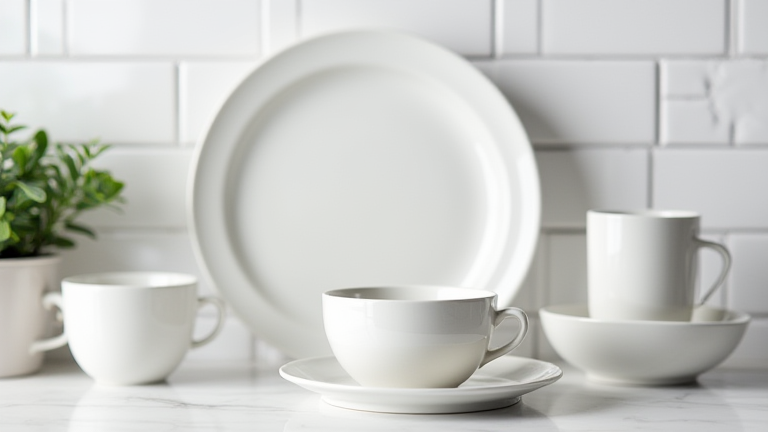
TL;DR: Wash porcelain dinnerware gently with warm water and mild detergent to prevent micro-scratches that dull the glaze. Avoid extreme temperature shocks and abrasive materials to maintain the integrity of your investment for decades.
Step 1: Preparation and Handling
Before beginning the cleaning process, inspect your porcelain pieces for any hairline cracks or chips. Porcelain is incredibly durable, but once compromised, it becomes susceptible to water absorption, which can lead to further damage. Handle plates and bowls by their edges or base rather than sliding them across surfaces. This simple habit prevents accidental drops and reduces the risk of glaze wear over time. Ensure your kitchen sink is clear of other dishes to create a dedicated workspace. This prevents accidental collisions that could knock your delicate items against the faucet or other hard objects. If you have a dishwasher, verify that your specific set is labeled as dishwasher-safe, as some high-end artisanal pieces may require hand washing to preserve intricate patterns or gold accents.
If you want to dig deeper, check out our guide on Elevate Your Table: The Timeless Luxury of Porcelain Dinnerw.
Step 2: Washing Techniques
Fill your sink with warm, not hot, water. Extreme heat can cause thermal shock, especially if the dish has been in a cold environment. Add a few drops of pH-neutral dish soap. Use a soft sponge or a lint-free microfiber cloth to clean each piece. Avoid steel wool or stiff brushes, as these can scratch the glossy surface, making it easier for stains to adhere in the future. Pay special attention to rims and undersides, where food residue tends to accumulate. For stubborn stains, create a paste from baking soda and water, apply it gently, and let it sit for five minutes before rinsing. Never use chlorine bleach or harsh chemical cleaners, as these can react with the glaze and cause discoloration or degradation of the material over time.
Step 3: Drying and Storage
After rinsing, dry each piece immediately with a soft towel to prevent water spots from forming. Water spots can etch into the glaze if left to dry naturally, especially if your water supply is hard. Store your dinnerware in a cabinet with felt or foam liners to prevent clinking noises that can cause chips. Avoid stacking heavy items directly on top of lighter ones. If you have gold or platinum rimmed pieces, store them separately or with a protective cloth barrier to prevent the metal from rubbing off. Regular inspection of your storage area ensures that no items are left exposed to humidity or dust, preserving their aesthetic appeal for years to come.
FAQ
Q: Can I put porcelain in the dishwasher?
A: Most modern porcelain is dishwasher-safe, but always check the manufacturer’s label. Hand washing is recommended for pieces with gold accents or hand-painted designs.
Q: How do I remove deep stains from white porcelain?
A: Use a paste of baking soda and hydrogen peroxide. Apply it to the stain, let it sit for thirty minutes, then scrub gently with a soft cloth and rinse thoroughly.
Q: What should I do if a piece chips?
A: Stop using the item immediately. Chip edges can harbor bacteria and may break further. You can try repairing it with a food-safe epoxy or consider replacing the piece.
Leave a Reply