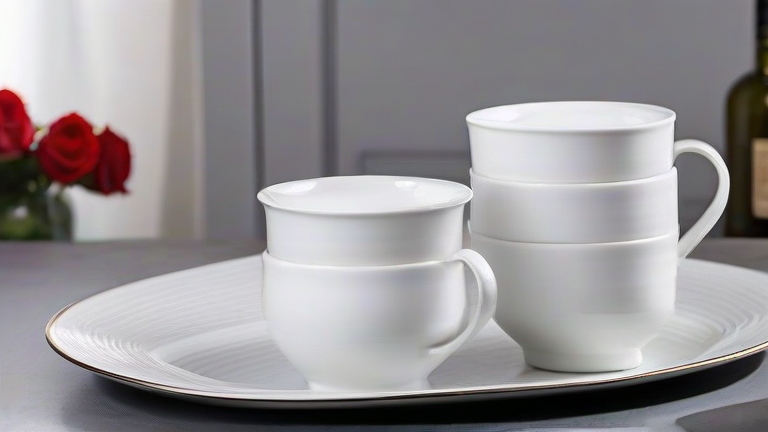
Safe & Stylish: The Health Benefits of Porcelain Dinnerware
TL;DR: Porcelain dinnerware offers superior health safety due to its high-temperature firing process, which eliminates porous surfaces where bacteria can thrive. It provides a non-toxic, lead-free alternative to reactive metals, ensuring your meals remain chemically stable and nutritionally intact.
In the quest for a healthier lifestyle, we often focus on what we eat, but we rarely consider the vessels that hold our food. The material of your plate can actually impact your well-being. Porcelain, a refined form of stoneware, has emerged as the gold standard for health-conscious households. Unlike plastic or low-quality ceramics, porcelain is vitrified, meaning it is fired at extremely high temperatures, typically above 1,200 degrees Celsius. This process creates a dense, non-porous surface that is inherently resistant to bacterial growth. When you wash porcelain plates, water and soap rinse off easily, leaving no microscopic residue that could harbor pathogens like E. coli or Salmonella. This makes porcelain exceptionally hygienic, reducing the risk of foodborne illnesses associated with porous materials that retain moisture and food particles.
The Chemical Stability Advantage
One of the most significant health benefits of using porcelain is its chemical inertness. Many traditional cookware items, such as aluminum or cast iron, can leach small amounts of metal into acidic foods over time. While these levels are usually within safe limits, individuals with specific sensitivities or those looking for the purest possible dining experience prefer inert materials. Porcelain is chemically stable and does not react with acidic foods like tomatoes, citrus fruits, or wine. This ensures that the flavor of your food is preserved without any metallic aftertaste or potential contamination. Furthermore, modern porcelain is manufactured to be free from lead and cadmium, heavy metals that have been linked to various health issues. Choosing certified lead-free porcelain guarantees that your family, including young children and pregnant women, is not exposed to these harmful substances during daily meals.
Longevity and Environmental Health
Health and wellness are not just about immediate consumption but also about long-term sustainability. Porcelain is incredibly durable. Unlike plastic, which can degrade and release microplastics into the environment and potentially into your body, porcelain remains stable indefinitely if handled with care. It is also 100% recyclable. By investing in high-quality porcelain sets, you reduce the frequency of replacement, thereby lowering the environmental footprint associated with manufacturing and transporting new dishware. A cleaner environment contributes to better public health, creating a positive feedback loop for your well-being. Additionally, the aesthetic appeal of porcelain can enhance the dining experience. Studies suggest that the presentation of food affects satisfaction and even satiety. Eating on beautiful, elegant porcelain plates can encourage slower eating and greater mindfulness, which are key components of a balanced diet and digestive health.
Practical Care for Maximum Hygiene
To maintain the health benefits of your porcelain dinnerware, proper care is essential. Always inspect pieces for cracks or chips. Even small cracks can become breeding grounds for bacteria, as they are difficult to clean thoroughly. If a piece is chipped, it is best to retire it from daily use. Hand washing with mild detergent is recommended for fine porcelain, as dishwashers can sometimes cause glaze wear over many years, although most modern porcelain is dishwasher safe. Avoid using abrasive scouring pads, which can scratch the surface and compromise its smoothness. By treating your porcelain with care, you ensure that it remains a safe, stylish, and healthy part of your daily routine. Prioritizing porcelain in your kitchen is a small but impactful step toward a safer, more elegant, and healthier lifestyle.
FAQ
Q: Is porcelain safe for microwaving leftovers?
A: Yes, pure porcelain is generally microwave-safe and does not leach chemicals, but you should ensure the piece is marked as microwave-safe by the manufacturer to avoid thermal shock cracking.
Q: Can I use porcelain with acidic foods like lemon juice?
A: Absolutely, porcelain is chemically inert and will not react with
Leave a Reply