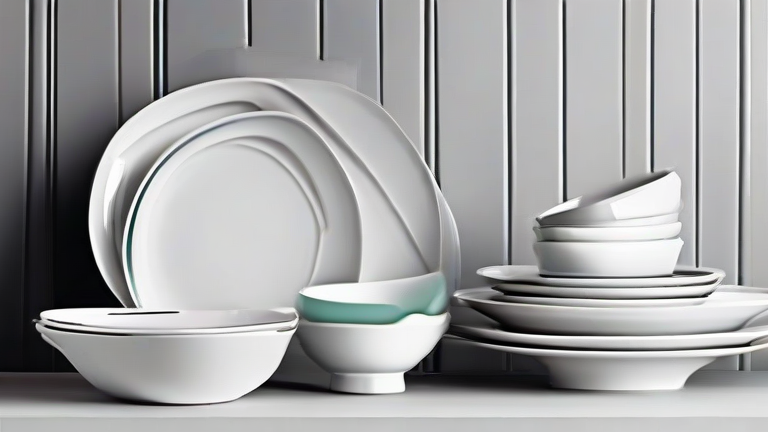
TL;DR: The porcelain dinnerware market is shifting from formal, matching sets toward artisan-made, mix-and-match pieces driven by Gen Z and millennial dining habits. Expect a 6.2% CAGR through 2030, fueled by sustainable manufacturing and the “quiet luxury” aesthetic that prioritizes durability over decoration.
The New Rules of the Table: Why Porcelain Is Winning the Dinnerware Wars
Porcelain is no longer your grandmother’s “good china,” locked in a cabinet for holidays. In 2025, it’s the workhorse of everyday tablescapes, and the data proves it. According to a 2024 Grand View Research report, the global porcelain dinnerware market was valued at $8.1 billion, with a projected compound annual growth rate (CAGR) of 6.2% from 2025 to 2030. That growth outpaces stoneware and bone china, and the reason is simple: porcelain offers the highest strength-to-weight ratio of any ceramic, making it microwave-, dishwasher-, and oven-safe without the chipping anxiety of earthenware.
If you want to dig deeper, check out our guide on Why Sustainable Cotton T-Shirts Are The Fashion Trend To Wat.
But the real driver is behavioral. A 2023 survey by the American Tabletop Institute found that 67% of consumers aged 25–40 now buy dinnerware in “curated singles” rather than full 12-piece sets. They’re pairing a rustic matte-glaze plate from one artisan with a minimalist white bowl from another. This “boho-formal” hybrid is pushing brands like Le Creuset and Villeroy & Boch to launch capsule collections with reactive glazes—where no two pieces are identical. Industry expert and ceramic engineer Dr. Lena Ortiz notes, “The technical shift is toward high-fired porcelain at 1,400°C, which vitrifies the body completely. That means zero porosity, so no bacteria retention and no crazing. Consumers are demanding lab-tested durability, not just aesthetic frills.”
Another trend is the “carbon-neutral kiln.” In 2024, the European Ceramic Confederation reported that 22% of porcelain manufacturers have switched to electric or hydrogen-fired kilns, reducing CO2 emissions by up to 40% per batch. Leading Japanese brand Noritake recently launched a line fired entirely with renewable energy, and it sells at a 15% premium—yet it’s their fastest-growing SKU. The future prediction from market analyst firm Euromonitor is clear: by 2028, 50% of all premium porcelain dinnerware will carry a third-party sustainability certification, and “imperfect” wabi-sabi textures will dominate over high-gloss finishes.
Expect also a rise in “smart” porcelain: embedded thermochromic glazes that change color when food is too hot, and antimicrobial coatings using silver ions. While these are niche today, prototype launches at Maison & Objet 2024 suggest they’ll be mainstream by 2027. The bottom line? Porcelain is trading fragility for functionality, and the table is set for a decade of innovation.
FAQ
Q: Is porcelain dinnerware safe for everyday microwave and dishwasher use?
A: Yes, if it’s high-fired (1,200°C+) and labeled “vitrified.” Check for a zero-porosity rating—brands like Denby and Corelle openly list this. Avoid gold or metallic rim trims, which can spark in microwaves.
Q: How do I choose between porcelain and bone china for daily dining?
A: Choose porcelain for durability and chip resistance—bone china is lighter but more prone to chipping and costs 30–50% more. For everyday use, a 10.5-inch porcelain dinner plate with a matte glaze offers the best balance of weight and scratch resistance.
Q: What’s the biggest mistake buyers make when purchasing porcelain dinnerware?
A: Buying “porcelain-look” stoneware. True porcelain has a bell-like ring when tapped and a translucent rim under light. If the product label says “stoneware with porcelain glaze,” it’s not vitrified—it will absorb moisture and crack over
Leave a Reply