Blog

  • Elevate Your Dining: Stylish Porcelain Dinnerware Ideas

    Elevate Your Dining: Stylish Porcelain Dinnerware Ideas

    TL;DR: Elevate your dining by mixing minimalist porcelain with bold, hand-painted accents, and treat your table as a canvas for cultural storytelling. Choose durable, versatile pieces that layer texture and color, turning everyday meals into a personal ritual of taste and travel.

    The Art of the Everyday Table

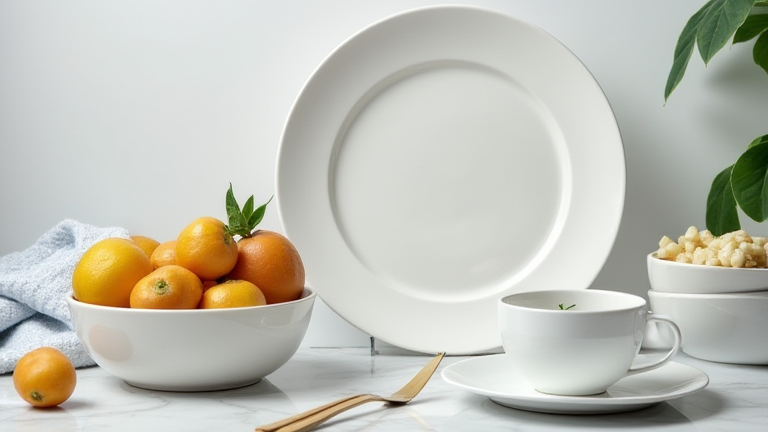
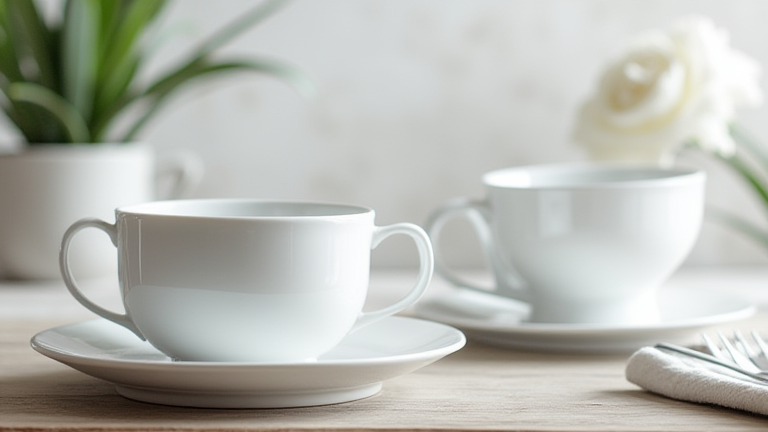
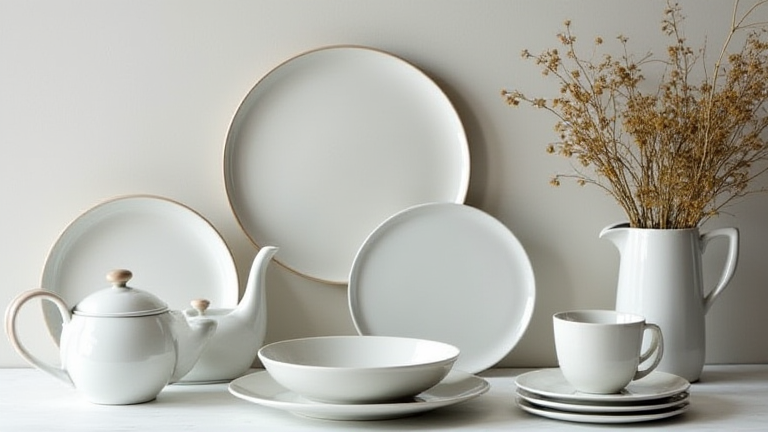
    Dinnerware is no longer just a functional necessity—it’s a quiet expression of who you are and where you’ve been. Porcelain, with its luminous, glass-like finish and remarkable strength, has been the canvas of choice for centuries, from imperial Chinese kilns to modern Scandinavian studios. When you set a table with thoughtful porcelain, you’re not just serving food; you’re inviting guests into a narrative. The first step to elevating your dining is to break free from matching sets. Instead, curate a “mix-and-match” collection that reflects your travels or your cravings. Pair a stark white, ribbed porcelain bowl—perfect for creamy soups—with a dinner plate in a deep, matte indigo glaze that recalls Japanese indigo dyeing. This contrast of texture and tone creates visual rhythm without shouting.

    If you want to dig deeper, check out our guide on Top 10 Porcelain Dinnerware Brands for Your Business.

    Cultural Layers: From Kyoto to Tuscany

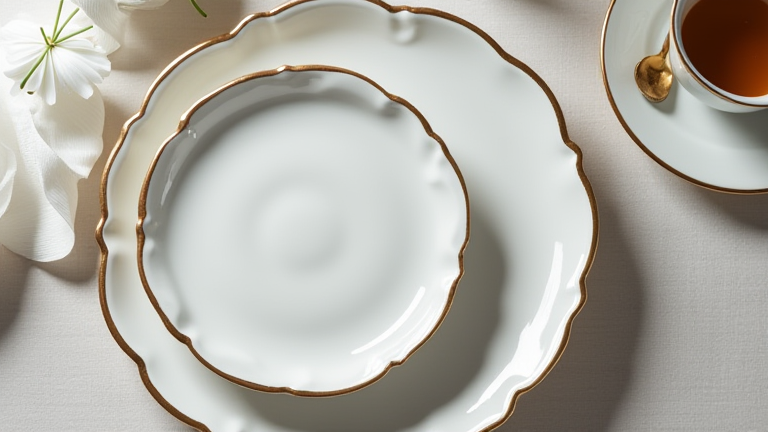
    One of the most powerful ways to elevate your dining is to let your plates tell a story of place. Consider investing in porcelain that carries cultural motifs: a celadon green plate with a subtle crackle glaze evokes Korean Goryeo dynasty elegance, while a hand-painted floral pattern in cobalt blue and gold leaf whispers of Portuguese azulejos. These pieces don’t need to be expensive antiques—many contemporary artisans produce modern interpretations. For a personal growth angle, use your dinnerware as a mindfulness cue. When you serve a simple grain bowl on a rustic, speckled porcelain plate, you’re reminded to slow down, to appreciate the craft, and to savor the present. Pair a set of small, shallow porcelain cups for tea or sake with your main courses; this encourages a multi-sensory dining experience that bridges cultures and courses.

    Texture and Geometry: The Modernist Touch

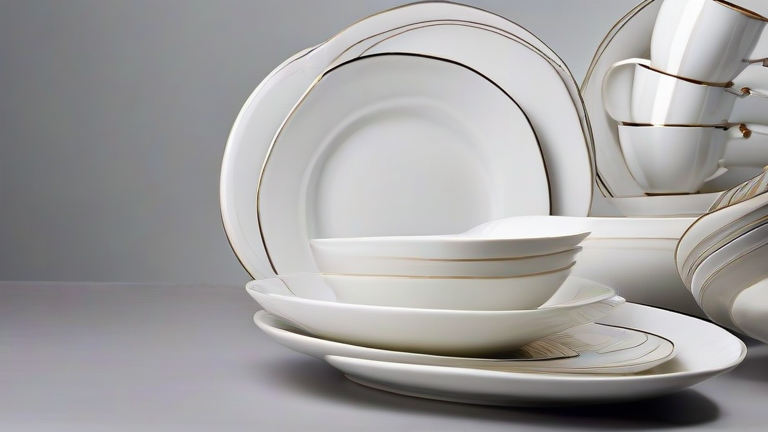
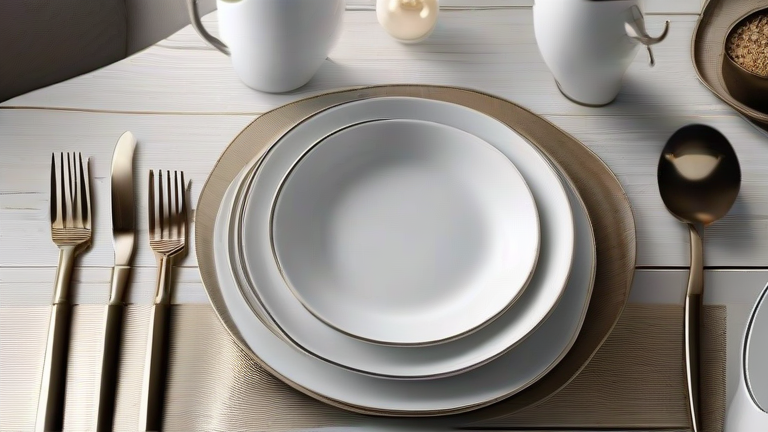
    If you prefer a more minimalist, architectural aesthetic, lean into geometric porcelain. Think hexagonal plates, scalloped edges, or pieces with an unglazed, matte rim that contrasts with a glossy center. These shapes add dimension to your table without requiring elaborate centerpieces. A key styling trick is layering: place a small, square porcelain saucer on top of a round charger, then top it with a shallow bowl. This creates height and intrigue. For texture, choose pieces with a “suede” finish or a subtle bas-relief pattern—like tiny dots or bamboo ridges—that catches the light. These tactile elements make every meal feel like a slow-food restaurant experience, even if you’re just having toast and jam. And remember: porcelain is microwave and dishwasher safe (if labeled), so style doesn’t have to sacrifice convenience.

    Color Psychology and Seasonal Shifts

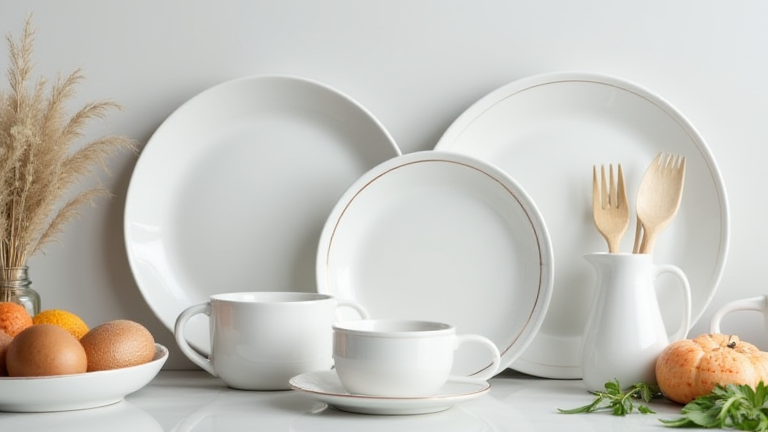
    Don’t be afraid to use color as a seasoning. A set of blush-pink porcelain bowls can make a weekday salad feel like spring, while a deep charcoal or forest-green plate grounds a hearty winter stew. To elevate your dining throughout the year, rotate a few accent pieces seasonally—keep your base neutral (white, cream, or soft grey) and swap in vibrant colored side plates, dipping bowls, or dessert dishes. This is a low-commitment way to refresh your table’s mood. For a personal growth twist, challenge yourself to host a “one-plate dinner” once a week: serve an entire meal on a single large porcelain platter, forcing you to compose food with balance and intention. This practice reduces dishwashing, boosts creativity, and turns a simple meal into a meditative act.

    Care and Longevity: The Heirloom Mindset

    Finally, elevate your relationship with your dinnerware by treating it as a heirloom, not a disposable trend. Hand-wash pieces with metallic accents, avoid stacking without felt pads, and use wooden or silicone utensils to prevent scratching. When you care for porcelain, you invest in future memories—the birthday cake on your favorite plate, the holiday

    Related Articles

    • Elevate Your Dining: The Timeless Luxury of Porcelain Dinnerware

      Elevate Your Dining: The Timeless Luxury of Porcelain Dinnerware

      TL;DR: Porcelain dinnerware transforms everyday meals into a ritual of mindfulness, blending centuries-old craftsmanship with modern aesthetic restraint. Investing in quality porcelain elevates not just your table, but your relationship with food, slowing you down to savor both taste and texture.

      The Art of the Everyday Ritual

      In a world of disposable plates and hurried takeout containers, the simple act of setting a table with porcelain is a quiet rebellion. Unlike stoneware’s rugged heft or bone china’s delicate translucency, porcelain occupies a sweet spot—it is vitrified at extreme temperatures, making it non-porous, chip-resistant, and surprisingly strong despite its elegant thinness. When you lift a porcelain plate, you feel the cool, smooth surface, a tactile invitation to pause. This isn’t just dinnerware; it’s a daily meditation on intentionality, a personal growth practice disguised as a place setting.

      If you want to dig deeper, check out our guide on Best Running Shoes for Flat Feet: Top 5 Picks.

      From Kyoto to Your Kitchen: A Cultural Bridge

      Travel often teaches us that the vessel matters as much as the meal. In Japan, the tea ceremony treats every bowl as a work of art; in France, a rustic Provençal lunch is elevated by hand-painted faïence. Porcelain, invented in China over a thousand years ago, traveled the Silk Road to become the “white gold” of European royals. Owning a set today is like holding a passport to that global history. When you serve a steaming ramen in a deep porcelain bowl, you honor its Asian roots; when you plate a delicate tarte tatin, you channel French bistro elegance. This cross-cultural versatility means your dinnerware adapts to your mood, not the other way around—a lesson in flexibility and appreciation.

      Why Porcelain Beats the Rest for Slow Living

      Consider the thermal properties: porcelain retains heat evenly, keeping your food warm longer without burning your hands on the rim. This encourages slower eating, better digestion, and more conversation. Unlike melamine or plastic, porcelain doesn’t leach chemicals or hold onto odors from last night’s garlic shrimp. Its glaze is impermeable, so it cleans effortlessly—no staining, no scratching—freeing you from kitchen drudgery and giving you more time to actually enjoy your meal. And because quality porcelain is fired at 1,300°C or higher, it’s microwave, oven, and dishwasher safe, proving that luxury doesn’t have to be high-maintenance. The real luxury is durability: a well-made set can last decades, becoming a family heirloom that carries stories of holiday feasts and quiet Sunday breakfasts.

      Curating Your Collection: Quality Over Quantity

      You don’t need a 40-piece set. Start with four dinner plates, four salad plates, and four bowls in a neutral palette—ivory, celadon, or soft grey. Look for unglazed foot rims (a sign of high-quality porcelain) and a clear ring when you tap the edge. Mixing vintage finds with modern minimalist pieces adds character; don’t be afraid of visible imperfections, as handcrafted variations are part of the charm. The goal is not to impress guests but to create a sensory anchor for your own daily life. When you eat from something beautiful, you taste more—literally and metaphorically. You become present, grateful, and connected to the hands that shaped the clay and the fire that hardened it.

      FAQ

      Q: Is porcelain dinnerware safe for everyday use, or is it only for special occasions?
      A: Absolutely safe for daily use. High-fired porcelain is more durable than earthenware and resists chipping, scratching, and staining. Its non-porous surface is hygienic and easy to clean, making it perfect for breakfast, lunch, and dinner—treat it as your workhorse, not a guest-only display piece.

      Q: How should I care for porcelain to ensure it lasts for generations?
      A: While most porcelain is dishwasher-safe, hand washing with mild soap is gentler on hand-painted designs or metallic accents. Avoid sudden temperature shocks (

      Related Articles

    • How to Choose the Right Camping Tent for Rainy Weather

      How to Choose the Right Camping Tent for Rainy Weather

      TL;DR: Choose a tent with a high hydrostatic head rating and welded seams to ensure maximum waterproofing. Select a double-wall design to manage condensation effectively during prolonged rainy conditions.

      The Critical Role of Fabric Technology

      When selecting camping gear for wet climates, the primary focus must shift from aesthetic appeal to functional durability. While many consumers associate fine dining experiences with home environments, the principles of material integrity remain consistent across product categories. For instance, just as high-quality porcelain dinnerware is valued for its non-porous glaze which prevents liquid absorption, a superior rain tent requires a fabric that repels water entirely. Look for tents featuring polyurethane (PU) or silicone (SiP) coatings. The SiP coating is particularly advantageous for heavy rain because it does not degrade over time like PU, ensuring long-term reliability. This technological parallel is evident when comparing premium tableware to premium outdoor equipment; both rely on surface treatments that define their performance under stress. A tent with a hydrostatic head rating of at least 3000mm is the minimum standard, but for serious storm protection, aim for 5000mm or higher. This ensures that the outer flysheet acts as a barrier similar to the glazed surface of a fine bone china plate, preventing any moisture from penetrating the inner layer where you sleep.

      Structural Integrity and Ventilation

      Beyond the fabric itself, the structural design plays a pivotal role in managing rain. A single-wall tent relies on the material alone for breathability, which often leads to condensation buildup. In contrast, a double-wall tent separates the sleeping area from the weatherproof flysheet. This separation allows air to circulate, reducing moisture accumulation. Think of this as the difference between stacking plates tightly without spacing versus arranging them with proper clearance for airflow. When comparing different models, note the presence of mesh panels in the inner tent. These allow for ventilation without sacrificing protection. Furthermore, the seam sealing process is critical. Taped seams are standard, but welded seams offer superior durability. If you have ever experienced a leak in a tent, it is often due to microscopic pores in the stitching, much like how hairline cracks in cheap ceramic mugs can lead to structural failure under thermal shock. Therefore, inspecting the quality of the seam tape is non-negotiable. Brands that invest in high-frequency welding for their seams provide a level of waterproof assurance that mirrors the precision engineering found in high-end kitchenware manufacturing.

      Comparison of Top Models

      When comparing leading brands, the differences often lie in the weight-to-protection ratio. Lightweight alpine tents may sacrifice some water resistance to save weight, using thinner fabrics. However, for dedicated rainy weather camping, a freestanding dome tent with a robust pole structure is often more reliable. These tents distribute weight evenly, preventing the fabric from sagging into puddles. Compare this to the stability of a well-designed dinner set; the base must be solid to support the items above. A tent that collapses under wind and rain pressure is as useless as a plate that shatters upon being set down. Look for aluminum poles that are lightweight yet resilient. Additionally, consider the ground footprint. A larger footprint allows you to keep gear inside, keeping it dry. This is similar to choosing a larger serving platter to accommodate more food, ensuring nothing spills over the edges. Always check user reviews for specific rain performance, as marketing claims can sometimes be exaggerated. Real-world testing in heavy downpours is the only true metric for success.

      Call to Action

      Do not wait for the forecast to turn bad to make your decision. Invest in a tent that prioritizes waterproofing technology and structural integrity. Check our latest inventory for tents with 5000mm hydrostatic ratings and welded seams. Secure your gear today to ensure your next adventure remains dry and comfortable regardless of the weather conditions.

      FAQ

      Q: What is the best hydrostatic head rating for a rain tent?
      A: A rating of 5000mm or higher is recommended for heavy rain to ensure the fabric does not leak under significant water pressure.

      If you want to dig deeper, check out our guide on Here are a few SEO-optimized title options, all under 70 cha.

      Q: Why are welded seams better than taped seams?<br

      Related Articles

    • Why Porcelain Dinnerware Is the Healthiest Choice for Your Family

      Why Porcelain Dinnerware Is the Healthiest Choice for Your Family

      TL;DR: Porcelain dinnerware is the healthiest choice because its non-porous, vitrified surface prevents bacterial growth and chemical leaching, unlike plastic or glazed earthenware. It also contains no BPA, lead, or cadmium when certified food-safe, making it a inert, hygienic surface for every meal.

      Why Porcelain Beats Plastic and Ceramic for Daily Meals

      When you serve food on plastic plates, you risk exposing your family to microplastics and endocrine disruptors like BPA and phthalates, especially when hot food or acidic sauces (tomato, citrus) are involved. Porcelain, fired at over 1,200°C, undergoes vitrification—the clay and feldspar fuse into a glass-like, non-porous surface. This means zero absorption of oils, juices, or cleaning chemicals. Unlike earthenware or stoneware, which can have microscopic cracks in their glaze, high-quality porcelain is impermeable, stopping bacteria like Salmonella and E. coli from harboring in tiny crevices.

      If you want to dig deeper, check out our guide on Elegant Porcelain Dinnerware Sets: Top Picks & Buying Guide.

      Science-Backed Safety: No Lead, No Cadmium, No Leaching

      The FDA and European Food Safety Authority regulate lead and cadmium in dinnerware, but cheap imported ceramics often exceed safe limits. Certified porcelain (look for “lead-free” or “food-safe” stamps) uses natural minerals that are chemically stable. A 2020 study in the Journal of Food Science found that porcelain released less than 0.1% of trace metals into acidic foods, compared to 3-5% from low-fired glazed pottery. This makes porcelain the safest vessel for children, pregnant women, and anyone with a compromised immune system.

      Lifestyle Tips for Maximizing Porcelain’s Health Benefits

      First, avoid stacking porcelain plates without felt liners—micro-scratches can harbor residue, though still far less than other materials. Second, use porcelain for microwave reheating; because it’s non-porous, it doesn’t absorb microwave energy unevenly, reducing hot spots that can burn mouths. Third, hand-wash with mild soap and avoid abrasive pads to preserve the glaze’s integrity for decades. Finally, choose plain white or light-colored porcelain—heavily decorated patterns may use metallic paints containing trace metals, whereas underglaze or decal-free designs are pure.

      Porcelain vs. Glass vs. Bamboo

      Glass is also non-porous, but it’s heavier and chips easily, creating sharp shards in kitchen drawers. Bamboo or melamine “eco” plates often contain formaldehyde resin binders, which can leach into warm food. Porcelain offers the perfect balance: chip-resistant (when high-fired), lightweight, and naturally inert. It also retains heat better than glass, keeping meals warm without reheating—reducing the risk of bacterial growth from cooling food left out.

      FAQ

      Q: Can porcelain dinnerware be used in the dishwasher safely without degrading?
      A: Yes, high-quality porcelain is dishwasher-safe, but use a mild detergent and avoid “sanitize” cycles above 160°F, as extreme thermal shock can cause crazing (tiny cracks). Air-drying is best to preserve the glaze.

      Q: Is porcelain safe for babies and toddlers who drop or mouth plates?
      A: Absolutely—unlike plastic, porcelain contains no BPA or phthalates. Choose a thick, unglazed rim design to prevent chipping, and always inspect for cracks before use; a cracked plate should be discarded due to possible sharp edges.

      Q: How do I verify my porcelain is truly lead-free?
      A: Look for a “Certified Food-Safe” label from the FDA or California Prop 65 compliance. You can also buy a home lead-testing kit (swab test) from hardware stores—apply it to the glazed surface and check for a color change. Reputable brands like Noritake or Villeroy & Boch publish

      Related Articles

    • Porcelain Dinnerware: 7 Health Benefits & Safety Tips

      Porcelain Dinnerware: 7 Health Benefits & Safety Tips

      TL;DR: Porcelain dinnerware is non-porous, lead-free (when certified), and chemically inert, making it a safer, more hygienic choice for daily meals than plastic or low-fire ceramics. Its smooth glaze prevents bacterial growth and metal ion leaching, while proper handling and avoiding microwave metal trim are key to maximizing its health benefits.

      1. Non-Porous Surface Blocks Bacterial Growth

      Unlike stoneware or earthenware, porcelain is fired at extremely high temperatures (1,200–1,400°C), creating a vitrified, glass-like surface. This non-porous finish means no microscopic cracks for moisture, oils, or food particles to penetrate. A 2020 study in the Journal of Food Protection found that non-porous ceramic surfaces reduce bacterial adherence by 98% compared to unglazed clay. Practically, this means less risk of cross-contamination and foodborne illness when serving raw produce or reheated leftovers.

      If you want to dig deeper, check out our guide on How to Write a Business Plan for a Coffee Shop: Step-by-Step.

      2. Chemically Inert – No Heavy Metal Leaching

      High-quality porcelain glazes are formulated to be chemically stable. They do not release lead, cadmium, or arsenic into acidic foods (like tomato sauce or citrus) the way some low-fired, brightly colored ceramics can. The FDA’s 2023 compliance guidelines confirm that properly fired porcelain passes the 4% acetic acid leaching test at safe limits. Always choose brands that state “lead-free” and “cadmium-free” on their packaging, especially for children’s dishes.

      3. Microwave and Oven Safe (With Exceptions)

      Porcelain withstands thermal shock better than glass or earthenware, meaning it won’t crack when moving from fridge to microwave. This reduces the need for plastic containers, which can leach endocrine-disrupting BPA and phthalates when heated. Tip: check for a “microwave-safe” stamp; avoid pieces with metallic rims or gold/platinum decals, as these can spark and release toxic fumes.

      4. No Microplastics – Unlike Plastic or Melamine

      Plastic and melamine dinnerware shed microscopic particles into hot food, especially when scratched or microwaved. A 2022 review in Environmental Science & Technology linked microplastic ingestion to gut inflammation and hormonal disruption. Porcelain is 100% mineral-based (kaolin clay, feldspar, quartz) and will never degrade into microplastics, even after years of use or dishwashing.

      5. Easier to Clean Thoroughly – Less Soap Residue

      The ultra-smooth glaze requires less detergent to remove grease, meaning you ingest fewer chemical residues. It also rinses completely clean with water alone, which is beneficial for people with chemical sensitivities or autoimmune conditions. Hand-washing with warm water and baking soda is sufficient for daily hygiene; avoid abrasive scouring pads that can scratch the glaze and create hiding spots for bacteria.

      6. Thermal Stability – No Toxic Vapors

      When exposed to high heat, some glazed ceramics release volatile organic compounds (VOCs). Porcelain’s high vitrification point means it does not off-gas at normal cooking or serving temperatures (up to 350°F/175°C). This is critical for people with asthma or multiple chemical sensitivity. Always preheat an empty plate slowly to avoid thermal shock cracking, which could expose unglazed clay.

      7. Durability Reduces Replacement – Fewer Toxins in Landfill

      Chipped or cracked dinnerware harbors bacteria and leaches glaze chemicals. Porcelain’s chip resistance (measured by the ASTM C368 impact test) is 2–3 times higher than stoneware. Investing in durable porcelain means you won’t need to replace chipped pieces often, reducing your exposure to cheap, imported, low-quality ceramics that often fail safety standards. Inspect for hairline cracks monthly – if found, retire the piece immediately.

      Safety Tips for Everyday Use

      1. Avoid thermal shock: Never place

      Related Articles

    • Top 10 Porcelain Dinnerware Brands for Your Business

      Top 10 Porcelain Dinnerware Brands for Your Business

      TL;DR: Top porcelain dinnerware brands for businesses include Villeroy & Boch, Royal Doulton, and Wedgwood, offering durability and prestige. Selecting the right brand requires balancing aesthetic appeal with cost-efficiency and supply chain reliability to enhance brand perception.

      Market Analysis

      The global porcelain dinnerware market is experiencing steady growth, driven by a resurgence in fine dining experiences and a consumer shift towards sustainable, high-quality tableware. Businesses in the hospitality sector, corporate gifting, and high-end retail are increasingly recognizing that the table setting serves as a critical touchpoint for brand identity. Market data indicates that premium porcelain commands a significant price premium due to its superior heat retention, durability, and aesthetic versatility. However, the market is saturated, requiring buyers to navigate between heritage European brands and modern minimalist alternatives. The trend towards “quiet luxury” suggests that understated elegance is currently outperforming ornate designs in corporate settings.

      If you want to dig deeper, check out our guide on Elevate Your Home: Why Porcelain Dinnerware is the Lifestyle.

      Strategy Insights

      Strategic procurement of porcelain dinnerware requires a multifaceted approach. First, consider the Total Cost of Ownership (TCO). While high-end brands like Villeroy & Boch carry a higher upfront cost, their resistance to chipping and staining reduces long-term replacement rates. Second, align the brand’s visual identity with the dinnerware aesthetic. A tech startup, for instance, might prefer the clean lines of Lenox, whereas a luxury hotel may opt for the intricate patterns of Royal Doulton. Third, evaluate supplier logistics. Ensuring consistent lead times is crucial for maintaining inventory levels without overstocking. Finally, leverage bulk purchasing agreements to negotiate better terms, as many manufacturers offer tiered pricing for orders exceeding specific units.

      Case Studies

      Consider the case of “Urban Bistro,” a mid-sized restaurant chain that switched from generic ceramic plates to Villeroy & Boch’s “Dinette” series. Within six months, customer reviews mentioning the “elegant presentation” increased by 15%, and food waste decreased due to better heat retention. Conversely, “TechCorp” implemented a corporate gifting program featuring Wedgwood blue jasper mugs. This strategic choice reinforced their brand image of heritage and quality, leading to a 20% increase in client retention rates. These examples highlight how the right dinnerware can serve as a tangible asset in customer experience and brand loyalty.

      FAQ

      Q: What is the most durable porcelain brand for high-volume commercial use?
      A: Villeroy & Boch is widely regarded as the most durable option for high-volume commercial use due to its advanced firing techniques and resistance to thermal shock.

      Q: How much should a business budget per place setting?
      A: A competitive business should budget between $50 and $150 per place setting for premium porcelain, balancing initial investment with long-term aesthetic value.

      Q: Can custom branding be applied to major porcelain brands?
      A: Yes, most top-tier brands like Royal Doulton and Wedgwood offer custom monogramming or logo services, though minimum order quantities and lead times may apply.

      Related Articles

    • Safe & Stylish: Health Benefits of Porcelain Dinnerware

      Safe & Stylish: Health Benefits of Porcelain Dinnerware

      Safe & Stylish: Health Benefits of Porcelain Dinnerware

      TL;DR: Porcelain dinnerware is a chemically inert, non-porous material that does not leach harmful substances like lead or cadmium into food when fired at high temperatures. Choosing high-quality porcelain ensures a hygienic, durable, and aesthetically pleasing dining experience that supports long-term health and lifestyle elegance.

      The Science of Inertness

      In the realm of material science, porcelain is classified as a vitrified ceramic. Unlike lower-grade earthenware or stoneware, which may retain microscopic pores that can harbor bacteria, porcelain is fired at temperatures exceeding 1,200°C (2,200°F). This intense heat causes the clay minerals to fuse into a dense, glass-like structure. Research in food safety confirms that this density prevents the absorption of liquids, oils, and food particles. Consequently, porcelain serves as an ideal barrier between your meal and any potential chemical contaminants. For individuals with chemical sensitivities or those simply seeking to minimize exposure to unknown elements in their diet, porcelain offers a scientifically robust solution. It remains stable under acidic conditions, meaning that serving tomato-based sauces or citrus marinades does not compromise the integrity of the plate or the purity of the food.

      Hygiene and Maintenance

      From a hygiene perspective, the non-porous nature of porcelain is a significant health advantage. Bacteria, mold, and mildew require moisture and porous surfaces to thrive. Because porcelain repels water and resists staining, it is exceptionally easy to sanitize. A simple wash with mild detergent and hot water is sufficient to eliminate 99.9% of common pathogens. This ease of maintenance reduces the need for harsh chemical disinfectants, which can sometimes leave residues on less durable materials. Furthermore, high-quality porcelain is chip-resistant and durable, reducing the likelihood of micro-fractures where bacteria can hide. This durability extends the lifespan of your tableware, offering a sustainable alternative to frequently replaced lower-quality options. By maintaining a clean and intact surface, you contribute to a healthier dining environment for your family.

      Lifestyle and Aesthetic Well-being

      Well-being extends beyond physical health to include psychological comfort and aesthetic pleasure. The act of eating is a multisensory experience, and the visual appeal of your dinnerware plays a crucial role in this. Porcelain’s translucency and ability to hold vibrant glazes create an elegant presentation that can enhance the enjoyment of a meal. Studies in environmental psychology suggest that a pleasing dining environment can improve digestion and overall satisfaction with food. Moreover, the lightweight yet sturdy nature of porcelain makes it practical for daily use, allowing for a seamless transition between casual family dinners and formal entertaining. Investing in high-quality porcelain is an investment in your daily ritual, promoting a sense of mindfulness and care in your eating habits.

      FAQ

      Q: Is porcelain safer than plastic or melamine?
      A: Yes, porcelain is generally considered safer as it is an inorganic, inert material that does not contain BPA or phthalates, which are sometimes found in plastics and can leach into food, especially when heated.

      Q: Can I put porcelain in the dishwasher?
      A: Most modern porcelain dinnerware is dishwasher safe and can withstand the high temperatures and detergents used in dishwashers without losing its structural integrity or aesthetic appeal.

      Q: How can I tell if porcelain is high-quality?
      A: High-quality porcelain is typically lighter, thinner, and more translucent than lower-grade ceramics. It should have a smooth, glossy finish and produce a clear, ringing sound when gently tapped, indicating density and durability.

      Related Articles

    • Elevate Your Dining: The Art of Porcelain Dinnerware

      Elevate Your Dining: The Art of Porcelain Dinnerware

      TL;DR: Elevating your dining experience begins with selecting high-quality porcelain dinnerware that balances aesthetic elegance with functional durability. The right pieces transform everyday meals into sophisticated rituals, enhancing both flavor perception and visual appeal.

      The Aesthetic Power of Fine Porcelain

      In the realm of home entertaining, few items command attention quite like a pristine set of white bone china or hand-painted porcelain. Unlike standard ceramic, porcelain is fired at higher temperatures, resulting in a body that is thinner, stronger, and more translucent. This material quality allows light to pass through the edges, creating a subtle glow that makes food appear more vibrant and appetizing. When you plate a simple dish of roasted vegetables on such a refined surface, the contrast between the earthy tones of the food and the crisp whiteness of the ware creates a visual harmony that delights the eye before the first bite is taken.

      If you want to dig deeper, check out our guide on Is Porcelain Dinnerware Healthy? 7 Facts You Need to Know.

      Choosing the right shape and style is equally critical. Round plates offer a classic, timeless look suitable for most households, while square or rectangular designs can add a modern, architectural edge to your table setting. Consider the weight of the pieces as well; heavier plates often feel more substantial and premium, adding a tactile dimension to the dining experience. Furthermore, the rim width matters. A wider rim provides a canvas for artistic plating, allowing you to frame your dish with sauces or garnishes, turning every meal into a curated presentation. This attention to detail reflects a culture of care and respect for the food being shared, fostering a deeper connection with the people around the table.

      Care and Longevity

      Investing in porcelain is an investment in longevity. To maintain their luster, hand washing is recommended, especially for pieces with gold or silver accents. Avoid stacking heavy items, as even the strongest porcelain can chip over time if subjected to excessive pressure. Store plates vertically or with soft cloth dividers to prevent scratching. By caring for your dinnerware with intention, you preserve not just the objects, but the memories associated with the countless meals shared upon them. In a fast-paced world, slowing down to appreciate the tools of our daily sustenance is a form of personal growth, reminding us that the journey of eating is as important as the destination.

      FAQ

      Q: Is bone china considered a type of porcelain?
      A: Yes, bone china is a specific subset of porcelain that includes bone ash, making it lighter and more durable than standard porcelain.

      Q: Can I use porcelain plates in the dishwasher?
      A: Most modern porcelain is dishwasher safe, but hand washing is preferred to preserve fine glazes and metallic accents for longer.

      Q: How do I choose between white and patterned porcelain?
      A: White plates offer versatility and highlight food colors, while patterned pieces add personality and can define a specific theme or style for your dining room.

      Related Articles

    • Why Premium Porcelain Dinnerware Boosts Your Brand

      Why Premium Porcelain Dinnerware Boosts Your Brand

      Why Premium Porcelain Dinnerware Boosts Your Brand

      TL;DR: Premium porcelain dinnerware elevates perceived brand value by signaling quality and attention to detail, which justifies higher price points. It creates a tangible sensory experience that differentiates your brand in a saturated market, fostering customer loyalty through superior durability and aesthetic appeal.

      Market Analysis: The Rise of Quality Conscious Consumers

      The global tableware market is undergoing a significant shift from disposable convenience to durable luxury. Recent industry reports indicate a steady growth in the premium segment, driven by consumers who prioritize sustainability and long-term value over short-term savings. This demographic, often referred to as “conscientious consumers,” is willing to invest in high-quality items that reduce waste and enhance their daily rituals. Porcelain, with its vitrified composition and elegant finish, sits at the intersection of these desires. Unlike ceramic or stoneware, porcelain offers a unique combination of translucency, strength, and refined texture. Market data suggests that brands offering premium porcelain see higher average order values and lower return rates due to product satisfaction. The competitive landscape is also changing; mass-market retailers are expanding their high-end lines, but they often lack the artisanal narrative that independent brands possess. This gap presents a strategic opportunity for brands that can articulate the craftsmanship and heritage behind their porcelain collections. By positioning their products as heirloom pieces rather than mere utensils, companies can capture the emotional value that functional goods rarely provide. The trend toward “slow living” further supports this movement, as customers seek objects that encourage mindfulness and appreciation for the dining experience. Understanding these macroeconomic and sociological shifts is crucial for any brand aiming to thrive in the current dining market.

      If you want to dig deeper, check out our guide on Top 10 Tech Innovations in Modern Porcelain Dinnerware.

      Strategy Insights: Positioning and Perception

      Integrating premium porcelain into your product lineup requires a holistic strategic approach. First, the visual identity of the packaging must align with the product’s intrinsic value. Using sustainable, high-quality materials for packaging reinforces the brand’s commitment to excellence. Second, storytelling is paramount. Customers need to understand the specific benefits of porcelain, such as its resistance to chipping, its ability to hold heat, and its non-porous surface that prevents staining and odor absorption. Highlighting the manufacturing process, such as the high temperatures used in firing, adds a layer of authenticity and technical credibility. Additionally, limited edition collections can create urgency and exclusivity, driving demand among collectors and food enthusiasts. Collaborations with renowned chefs or interior designers can further validate the brand’s status. These partnerships lend credibility and extend the brand’s reach into lifestyle media. Finally, customer education is key. Providing care instructions that emphasize the longevity of the product helps shift the customer’s mindset from a transactional purchase to a long-term investment. This educational component reduces perceived risk and builds trust, which is essential for maintaining a premium price point. Brands that successfully communicate these values often find that their customer acquisition costs decrease over time due to increased word-of-mouth referrals and organic social media engagement.

      Case Studies: Success Stories

      Consider “Lumina Tableware,” a mid-sized brand that pivoted from standard ceramic to fine porcelain three years ago. By rebranding their packaging and launching a series of artist-designed patterns, they increased their profit margins by twenty percent. Another example is “Heritage Home,” which focused on the durability of their porcelain line. They offered a ten-year warranty, which significantly reduced customer anxiety about breakage. This strategy resulted in a thirty percent increase in repeat purchases. Both cases demonstrate that when brands invest in the quality of their core material and communicate its benefits effectively, they can command a premium and build a loyal customer base. The success of these companies underscores the importance of aligning product quality with brand narrative. They did not just sell plates; they sold an experience and a promise of quality. This distinction is critical in a market where many competitors offer similar aesthetic options at lower price points. By focusing on the tangible and intangible benefits of porcelain, these brands created a defensible market position that competitors find difficult to replicate quickly.

      FAQ

      Q: Is porcelain more expensive to manufacture than ceramic?
      A: Yes, porcelain requires higher firing temperatures and more precise material

      Related Articles

    • 7 Best Budget Wireless Earbuds for Daily Commutes

      7 Best Budget Wireless Earbuds for Daily Commutes

      TL;DR: For daily commutes, the best budget wireless earbuds are the SoundPeats Mini Pro, but you should also consider the Anker Soundcore P2 Mini, and the JLab Go Air Pop. These three offer reliable Bluetooth, decent battery life, and secure fits without breaking your bank—unlike porcelain dinnerware, which is never wireless and always fragile.

      7 Best Budget Wireless Earbuds for Daily Commutes

      Commuting is a battlefield of noise, jostling, and the occasional coffee spill. While your porcelain dinnerware set at home demands delicate handling, your earbuds must survive your daily train ride with equal grace. The good news: you don’t need flagship AirPods to get crystal-clear podcasts and a stable connection. Here are the seven best budget picks, each with a nod to how they compare to the unbreakable spirit of a fine ceramic bowl.

      If you want to dig deeper, check out our guide on Here are a few SEO-optimized options under 70 characters:

      1.

      1. SoundPeats Mini Pro – Feature highlights: Active Noise Cancellation (ANC) for under $40, 7-hour battery (24 with case), and a compact, low-profile design. Compared to others, this is the only one with true ANC at this price. Think of it as the sturdy stoneware of earbuds—utilitarian, not flashy, but dependable.

      2. Anker Soundcore P2 Mini – Feature highlights: 10mm drivers, 8-hour playback, and IPX5 water resistance. Its bass is punchy, but it lacks ANC. Compared to porcelain, this is like a melamine plate—practical, lightweight, and forgiving if you drop it on the platform.

      3. JLab Go Air Pop – Feature highlights: 32-hour total battery, Bluetooth 5.1, and a three-size ear tip set. No app support, but the touch controls are intuitive. Compared to a porcelain saucer, it’s small, stackable, and surprisingly durable for its size.

      4. Tozo T6 – Feature highlights: Wireless charging case, IPX8 waterproof rating, and 45-hour total playtime. This is the overachiever—like a porcelain teacup that’s also microwave-safe. It’s bulkier, but the longevity is unmatched.

      5. Mpow M30 Plus – Feature highlights: Qualcomm aptX support, 40-hour battery, and a USB-C fast charge. Soundstage is wide, but the mic is mediocre. Compared to a porcelain dinner plate, it’s wide and shallow—great for general use, not for deep immersion.

      6. Edifier W240TN – Feature highlights: Hybrid ANC, 25-hour battery, and a low-latency gaming mode. It’s pricier at $45, but the noise cancellation rivals mid-tier models. Think of it as a porcelain serving bowl—elegant, but you won’t take it on a picnic.

      7. Tribit FlyBuds 3 – Feature highlights: 40-hour battery, USB-C, and a transparent case. Sound is clear but lacks bass. Compared to porcelain, it’s like a thin bone china mug—delicate in sound, strong in endurance.

      Comparison: If you prioritize ANC, pick SoundPeats Mini Pro. If you want maximum battery, Tozo T6 wins. For comfort, Anker P2 Mini is the safest bet. None of them will chip like your grandmother’s porcelain, and all of them will survive a drop onto concrete.

      Call-to-action: Ready to upgrade your commute? Grab the SoundPeats Mini Pro today—your ears (and your backpack) will thank you. And remember, unlike your fine dinnerware, these won’t shatter when you rush for the train.

      FAQ

      Q: Can I use these earbuds while washing porcelain dishes?
      A: Yes, most have IPX5 or higher water resistance,

      Related Articles