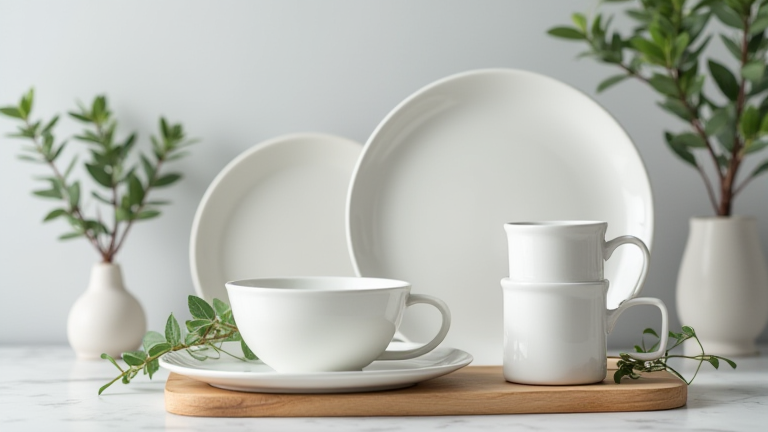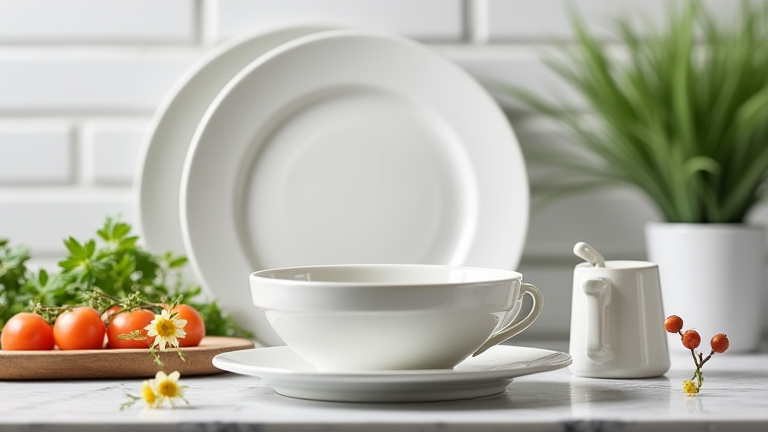
TL;DR: Porcelain dinnerware is a safe, non-toxic choice for daily health because it is made from high-quality clay and fired at extremely high temperatures, eliminating the risk of lead or cadmium leaching into food. Its durability and chemical stability make it an ideal, long-term wellness investment for your household.
The Science of Safety in Porcelain
When considering the health implications of your daily meals, the materials you eat from are just as important as the food itself. Porcelain, often confused with standard ceramic, undergoes a rigorous manufacturing process that ensures its safety. Unlike lower-quality earthenware, true porcelain is composed of kaolin, feldspar, and quartz, which are fired at temperatures exceeding 1,400 degrees Celsius. This extreme heat vitrifies the material, creating a dense, non-porous structure.
This density is the key to its health benefits. Because the surface is non-porous, porcelain does not absorb bacteria, mold, or food odors. This makes it inherently hygienic and easier to clean thoroughly compared to porous alternatives. Furthermore, reputable porcelain manufacturers adhere to strict regulatory standards, such as those set by the FDA in the United States. These standards mandate that dinnerware must be tested for lead and cadmium migration. Porcelain, by its chemical composition and firing process, naturally resists the need for heavy metal glazes, significantly reducing the risk of toxic heavy metals leaching into acidic foods like tomato sauce or citrus-based dishes.
Lifestyle Tips for Long-Lasting Wellness
To maintain the integrity of your porcelain and ensure it remains a safe part of your wellness routine, follow these science-backed maintenance tips. First, avoid placing cold porcelain directly into a hot oven or microwave, as thermal shock can cause micro-cracks. While these cracks might not be visible to the naked eye, they can compromise the non-porous surface over time, potentially allowing moisture to penetrate the material.
Second, hand-washing is often recommended for high-end porcelain pieces to preserve the glaze. While modern dishwashers are generally safe, the harsh detergents and high heat can sometimes wear down delicate finishes over many years. If you do use a dishwasher, ensure the rack is not overcrowded to prevent chipping. Chipped porcelain is not just an aesthetic issue; it can harbor bacteria in the small crevices.
Finally, inspect your plates regularly. If you notice any significant chips or cracks in the glaze, consider retiring that specific piece from daily use. While the body of the porcelain remains safe, a compromised glaze may not meet the same safety standards for food contact. By choosing high-quality porcelain and maintaining it correctly, you create a seamless blend of aesthetic appeal and health-conscious living. Your dinnerware becomes a silent guardian of your daily nutrition, ensuring that your focus remains entirely on the quality of your food and the joy of dining.
FAQ
Q: Is all porcelain safe for food contact?
A: Yes, if it is labeled as food-safe and produced by reputable manufacturers who comply with international safety standards regarding heavy metal content.
If you want to dig deeper, check out our guide on Premium Porcelain Dinnerware Sets: Elegant & Durable for Eve.
Q: Can porcelain go in the dishwasher?
A: Most modern porcelain is dishwasher safe, but hand-washing is often preferred to prolong the life of the glaze and prevent potential chipping from collisions with other utensils.
Q: Does porcelain leach chemicals into hot soup?
A: No, high-quality porcelain is chemically inert and stable at high temperatures, meaning it will not release harmful substances into hot liquids or foods.