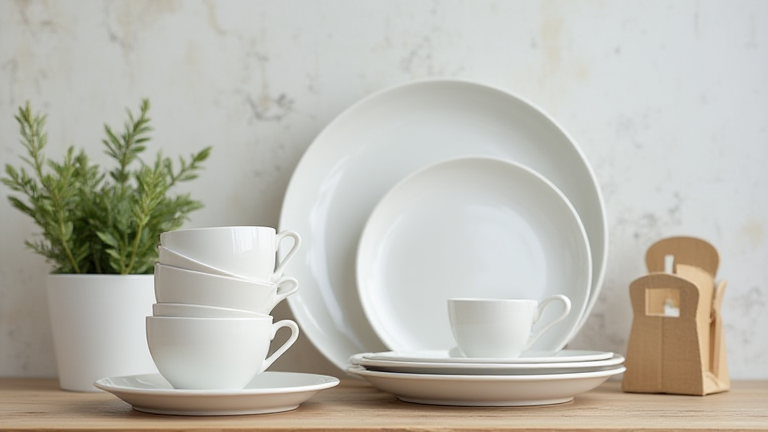
Healthy Porcelain Dinnerware: Why It’s Safe for Your Family
TL;DR: High-quality porcelain is non-porous, lead-free, and chemically inert, making it one of the safest materials for daily use. It does not leach harmful substances into food, even when exposed to heat or acidic ingredients.
The Science of Safety
When considering the health implications of your dinnerware, understanding the material composition is crucial. Porcelain, often referred to as “china,” is a type of ceramic clay that is fired at extremely high temperatures, typically between 1,200°C and 1,400°C. This intense heat vitrifies the clay, creating a glass-like surface that is completely non-porous. Unlike lower-quality ceramics or earthenware, this dense structure prevents liquids from seeping into the material. Consequently, there is no risk of bacterial growth or the absorption of food odors and stains, which ensures that your plates remain hygienic over time.
If you want to dig deeper, check out our guide on Tech in Porcelain: How Innovation Enhances Dinnerware.
One of the most common concerns regarding ceramics is the presence of heavy metals, particularly lead and cadmium. These elements were historically used in glazes to create vibrant colors. However, modern health and safety regulations have drastically changed the industry. In many regions, including the United States and Europe, strict laws prohibit the use of lead in tableware. Reputable porcelain manufacturers now use lead-free glazes that are chemically stable. Because the glaze is fused to the body of the plate during the high-temperature firing process, it becomes an integral part of the material rather than a coating that can chip or wear away. This ensures that even if you serve hot soup or acidic tomato sauce, no heavy metals will leach into your meal.
Lifestyle Tips for Long-Lasting Use
While porcelain is inherently safe, proper care maximizes both its hygiene and longevity. First and foremost, always wash your porcelain dishes in warm, soapy water. Although many modern porcelain pieces are dishwasher safe, hand washing is often recommended for pieces with delicate gold or silver accents, as the high heat and harsh detergents in dishwashers can degrade metallic over time. If you choose to use a dishwasher, place the dishes on the top rack to minimize the risk of collision and chipping. Chipped edges can harbor bacteria and may expose the underlying clay to food, so it is essential to inspect your dinnerware regularly.
Avoid subjecting porcelain to thermal shock by not placing a hot dish directly into a cold environment or vice versa. While modern porcelain is durable, sudden temperature changes can cause micro-cracks. To maintain the aesthetic and structural integrity of your collection, store plates vertically if possible, or use dividers to prevent them from touching each other. By adopting these simple habits, you ensure that your porcelain remains a safe, beautiful, and durable addition to your family’s dining experience for generations.
FAQ
Q: Is porcelain safe for microwave use?
A: Yes, pure porcelain is generally microwave-safe because it is non-porous and does not contain metal. However, you should avoid microwaving pieces with metallic trims, as this can cause sparks and damage both the dish and the appliance.
Q: How can I tell if my porcelain is lead-free?
A: Look for labels indicating compliance with FDA or EU safety standards. Reputable brands will explicitly state that their products are lead-free. If you have antique pieces without clear labeling, consider having them tested by a professional laboratory to ensure safety before use.
Q: Does the color of the porcelain affect its safety?
A: No, the color itself does not determine safety. Whether the porcelain is white, colored, or patterned, the safety depends on the quality of the glaze and the manufacturing process. Modern, high-quality glazed porcelain is safe regardless of its aesthetic appearance.
Leave a Reply