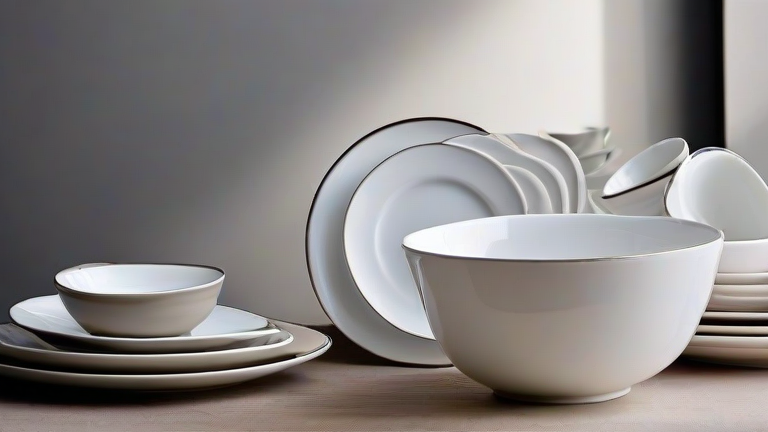
Porcelain Dinnerware 101: A Beginner’s Guide & Care Tips
TL;DR: Porcelain is a durable, elegant ceramic made from kaolin clay fired at high temperatures, offering a superior surface for food presentation. To maintain its integrity, always hand wash pieces gently with mild soap and avoid sudden temperature changes to prevent cracking.
Choosing the right dinnerware sets the tone for every meal. Porcelain stands out among ceramics due to its fine texture, durability, and aesthetic appeal. Unlike earthenware or stoneware, porcelain is virtually non-porous, meaning it does not absorb liquids or odors. This makes it hygienic and easy to clean. However, its delicate nature requires specific handling techniques to ensure your investment lasts for generations. This guide breaks down the essentials of understanding, using, and caring for your fine china.
Step 1: Identify Quality Porcelain
Not all white plates are created equal. True porcelain should be thin and translucent when held up to light. Tap two pieces together; a high-quality piece will produce a clear, ringing tone rather than a dull thud. Look for a smooth, glossy finish that feels cool to the touch. Avoid items with visible pinholes or uneven glazing, as these can trap bacteria and are difficult to clean thoroughly. Premium brands often mark their pieces with a specific logo or origin stamp, indicating adherence to strict manufacturing standards.
Step 2: Proper Handling and Storage
Porcelain is stronger than it looks but still susceptible to chipping from direct impacts. Always use both hands when moving plates or bowls. When stacking, place a soft cloth or paper towel between each piece to prevent friction marks. Store your dinnerware vertically if possible, or stack them securely in a dedicated cabinet. Avoid overcrowding, as accidental bumps can cause chips. If you have a dishwasher, ensure the rack is loaded so that items do not rattle against each other during the cycle.
Step 3: Cleaning and Maintenance
While many porcelain pieces are dishwasher safe, hand washing is recommended for the longest lifespan. Use lukewarm water and a mild, non-abrasive detergent. Never use steel wool or harsh scouring pads, as these will scratch the glaze. For stubborn stains, soak the item in warm water with a drop of dish soap before scrubbing gently. Dry immediately with a soft, lint-free towel to prevent water spots. If your dinnerware features gold or silver accents, these must always be hand washed, as dishwasher detergents will strip the metallic luster.
Tips for Longevity
Avoid thermal shock, which occurs when hot items are placed in cold water or vice versa. Allow hot plates to cool slightly before washing. Inspect your set regularly for hairline cracks. If a chip occurs, it can sometimes be repaired with a specialized porcelain adhesive, though replacement is often the better option for daily use. Keep your collection away from direct sunlight for extended periods, as UV rays can fade painted designs over time.
FAQ
Q: Is porcelain safe for microwaves and ovens?
A: Most plain porcelain is microwave and oven safe, but check for metallic accents or specific manufacturer guidelines, as these can spark or crack under high heat.
Q: How do I remove deep stains from porcelain?
A: Create a paste of baking soda and water, apply it to the stain, and gently scrub with a soft sponge. Rinse thoroughly and dry immediately.
Q: Can I use abrasive cleaners on antique porcelain?
A: No, never use abrasive cleaners on antique or fine porcelain, as they will permanently damage the glaze and reduce the item’s value.
Leave a Reply