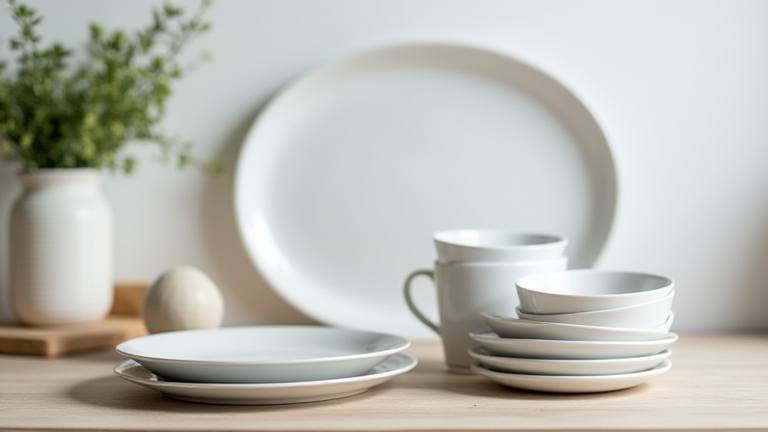
TL;DR: Wash porcelain dinnerware by hand with warm water and mild dish soap, or use the top rack of your dishwasher with a gentle cycle. Avoid abrasive scrubbers and sudden temperature changes to prevent chipping and maintain the glossy finish of your fine china.
Understanding Your Porcelain
Porcelain is a high-quality ceramic known for its strength, translucency, and smooth surface. While more durable than earthenware, it is still susceptible to thermal shock and physical impact. Proper care ensures your collection remains pristine for decades. Before beginning any cleaning routine, inspect your plates and bowls for existing hairline cracks or chips. If damage is present, be extra gentle during washing to prevent the fracture from spreading. Note that most porcelain is safe for both hand and machine washing, but always check the manufacturer’s specific guidelines, especially for antique pieces or those with gold or silver rim accents, which may require hand washing only to preserve the metallic luster.
If you want to dig deeper, check out our guide on Why Porcelain Dinnerware Is the Smart Business Choice.
Step-by-Step Hand Washing
Hand washing is the gentlest method and is recommended for daily maintenance or delicate items. Fill your sink with warm, soapy water. Use a soft sponge or a non-abrasive cloth to gently wash the surface of the plate. Avoid using steel wool or harsh scouring pads, as these can scratch the glaze. Rinse thoroughly under running water to remove all soap residue, which can leave a cloudy film if left behind. Place the item on a clean, dry towel to air dry or pat it dry with a soft cloth. Ensure the dish is completely dry before storing to prevent water spots or potential mold growth in crevices.
Dishwasher Safety and Tips
For convenience, many modern porcelain pieces are dishwasher safe. Always place them on the top rack to avoid direct exposure to the heating element, which can cause thermal shock. Use a gentle cycle and avoid high-heat drying settings. Do not overcrowd the rack, as plates can slide and crack against each other. If your porcelain has decorative painting, especially on the underside, hand washing is still the superior choice to protect the artwork from detergent chemicals and high water pressure.
Preventive Maintenance
To keep your porcelain looking new, avoid using it for baking or placing it directly on a stovetop. Let hot food cool slightly before serving it on cold plates to minimize thermal stress. Store plates vertically in a cabinet with soft dividers to prevent them from leaning on one another. This vertical storage method protects the rims from chipping. If you notice any small chips, do not ignore them. Minor chips can be stabilized with a porcelain repair kit, but significant damage should be assessed by a professional restorer.
FAQ
Q: Can I use bleach to whiten stained porcelain?
A: No, bleach is too harsh and can degrade the glaze over time, leading to a dull appearance. Use a paste of baking soda and water for gentle scrubbing instead.
Q: Is it safe to microwave porcelain plates?
A: Most plain white porcelain is microwave safe, but avoid using it if it has metallic accents like gold or silver, as this can cause sparking and damage the microwave.
Q: How do I remove stubborn tea or coffee stains?
A: Soak the item in a mixture of warm water and a small amount of dish soap for fifteen minutes. Gently scrub with a soft sponge. For persistent stains, a paste of baking soda and water can be applied and left for an hour before rinsing.
Leave a Reply