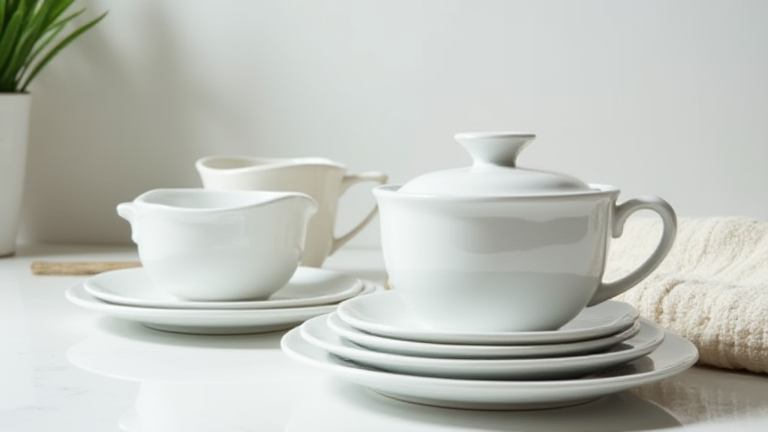
Porcelain Dinnerware Care: 5 Step Cleaning Tutorial
TL;DR: Properly caring for porcelain requires gentle handling and mild, non-abrasive cleaning agents to preserve the glaze and prevent micro-fractures. Follow these five simple steps to ensure your fine china remains pristine and durable for generations to come.
Porcelain is a sophisticated material that demands specific attention to maintain its luster and structural integrity. Unlike stoneware, porcelain is thinner and more susceptible to thermal shock and physical impact. By adopting a consistent routine, you can avoid common mistakes that lead to cloudy spots, hairline cracks, or chipped rims. This guide outlines the essential protocol for keeping your tableware in museum-quality condition.
If you want to dig deeper, check out our guide on Why Porcelain Dinnerware Is the Healthiest Choice for Your T.
Step 1: Inspect and Sort
Before washing, examine each piece for existing damage. Look for tiny cracks or chips that could worsen during cleaning. Separate your porcelain into groups based on the level of soiling. Heavily stained plates should be washed separately from lightly used items to prevent cross-contamination of cleaning solutions.
Step 2: Soak in Warm Water
Fill a basin with warm, not hot, water. Avoid extreme temperature changes, as thermal shock can cause immediate cracking. Add a few drops of mild dish soap and soak the items for ten to fifteen minutes. This softens dried food particles, making them easier to remove without scrubbing aggressively.
Step 3: Gentle Washing
Use a soft sponge or a microfiber cloth to clean the surfaces. Never use abrasive pads, steel wool, or harsh scouring powders, as these will dull the glossy finish. Pay special attention to the rim and the base of the plates, where grease and dirt tend to accumulate. Rinse thoroughly under running water to remove all soap residue.
Step 4: Dry Immediately
Do not air dry porcelain, as this can leave water spots and mineral deposits that are difficult to remove later. Use a clean, dry towel to gently pat each piece dry immediately after rinsing. This step prevents the formation of unsightly spots and ensures the glaze remains bright and clear.
Step 5: Store Properly
Store your dinnerware in a cabinet with felt dividers or use soft cloth between plates. This prevents pieces from touching and chipping against one another. Avoid stacking heavy items on top of delicate pieces to minimize stress on the structural integrity of the porcelain.
FAQ
Q: Can I put porcelain in the dishwasher?
A: While many modern porcelain pieces are dishwasher safe, hand washing is recommended for heirloom items to prevent potential damage from high-heat drying cycles and harsh detergents.
Q: How do I remove coffee or tea stains?
A: Make a paste of baking soda and water, apply it to the stain, let it sit for an hour, then gently wipe it off with a damp cloth and rinse thoroughly.
Q: What should I do if a plate cracks?
A: If the crack is small and does not compromise the structural integrity, you can use a food-safe ceramic adhesive. However, for large breaks or deep fractures, it is best to retire the item to decorative use only.
Leave a Reply