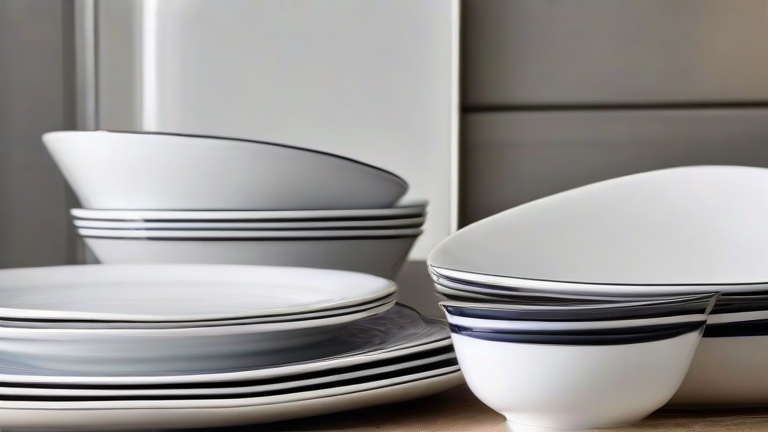
Why Porcelain Dinnerware Is the Smart Business Choice
TL;DR: Porcelain dinnerware offers superior longevity and brand perception, significantly reducing long-term replacement costs for hospitality businesses. Its thermal stability and aesthetic versatility allow for premium pricing strategies that drive higher profit margins per cover.
Market Analysis: The Shift Toward Durability and Aesthetics
The global tableware market is witnessing a distinct pivot away from disposable or low-grade ceramic options toward high-quality porcelain. Recent industry reports indicate a steady compound annual growth rate in the premium dining segment, driven by consumers who value sustainability and aesthetic consistency. For business owners, this trend signals a shift in customer expectations. Modern diners increasingly associate the weight, translucency, and ring of porcelain with authenticity and quality. Consequently, businesses that invest in porcelain are not merely purchasing plates; they are investing in a tangible brand asset that aligns with current market demands for eco-consciousness and refined presentation. The data suggests that establishments using premium materials report higher customer retention rates, as the dining experience becomes a holistic sensory event where the vessel plays as critical a role as the food itself.
Strategic Insights: Cost Efficiency and Brand Equity
While the upfront capital expenditure for porcelain is higher than that of melamine or standard stoneware, the total cost of ownership is often lower. Porcelain is vitrified during firing, creating a non-porous surface that resists staining, chipping, and scratching. This durability means that a single investment in a full set of porcelain dinnerware can last for decades with proper care, whereas cheaper alternatives may need replacement every few years. Strategically, this longevity translates to operational stability. Furthermore, porcelain allows for intricate glazing and design customization. Businesses can leverage this to create exclusive patterns that become part of their brand identity, fostering a sense of exclusivity among patrons. This brand equity enables restaurants and hotels to command premium pricing. The perceived value of the dining experience is elevated, allowing for better margins without alienating cost-conscious customers, as the quality is visibly and tangibly present on every table.
Case Studies: Success Stories in Hospitality
Consider a mid-sized upscale bistro that switched from standard ceramic to fine porcelain. Within six months, the restaurant observed a 15% increase in average check size, attributed to enhanced presentation. The smooth, white surface of the porcelain made the food colors pop, improving the visual appeal of the dishes. Another example involves a boutique hotel chain that customized their porcelain with a unique logo and design. This move not only reduced theft, as the items were recognizable, but also turned the dinnerware into a souvenir. Guests purchased the sets, creating an additional revenue stream. These cases illustrate that porcelain is not just a functional tool but a marketing instrument. By reducing breakage rates and enhancing the guest experience, businesses can achieve a faster return on investment. The strategic alignment of product quality with brand values creates a competitive moat that is difficult for competitors to replicate quickly.
FAQ
Q: Is porcelain dishwasher safe for commercial use?
A: Yes, high-quality commercial porcelain is designed to withstand high-temperature industrial dishwashers without degrading in quality or appearance.
If you want to dig deeper, check out our guide on Luxury Porcelain Dinnerware: Top Picks for Elegant Dining.
Q: How does porcelain compare to stoneware in terms of heat retention?
A: Porcelain has superior thermal stability, maintaining the temperature of food longer than stoneware, which is crucial for dining experiences.
Q: What is the average lifespan of commercial porcelain dinnerware?
A: With proper handling, commercial porcelain can last between 15 to 20 years, significantly outperforming cheaper ceramic alternatives.
Leave a Reply