Category: Uncategorized

  • Is Porcelain Dinnerware Healthy? Key Safety Facts

    Is Porcelain Dinnerware Healthy? Key Safety Facts

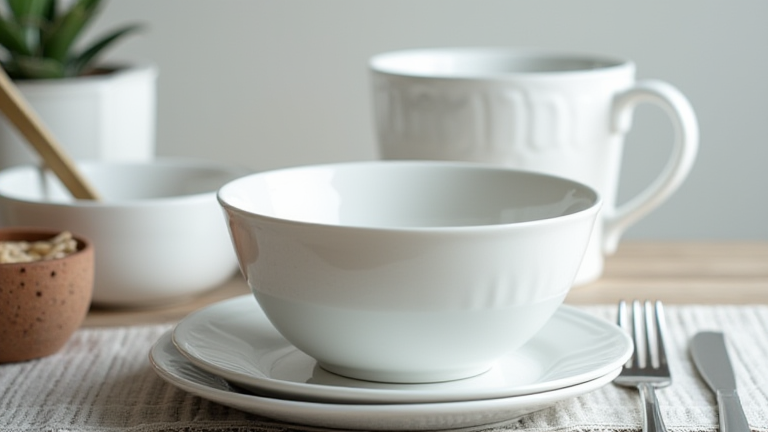
    TL;DR: Yes, high-quality porcelain dinnerware is generally safe for daily use because it is fired at extremely high temperatures, which locks in stability and prevents leaching. To ensure maximum health safety, always choose lead-free and cadmium-free porcelain and avoid using cracked pieces for food storage.

    The Science Behind Porcelain Safety

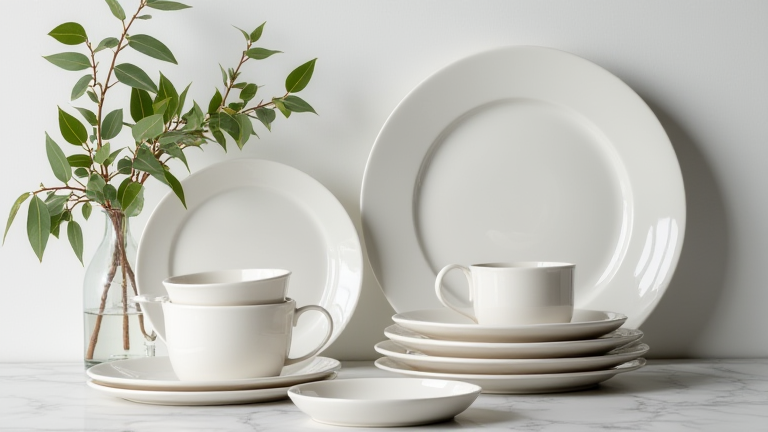
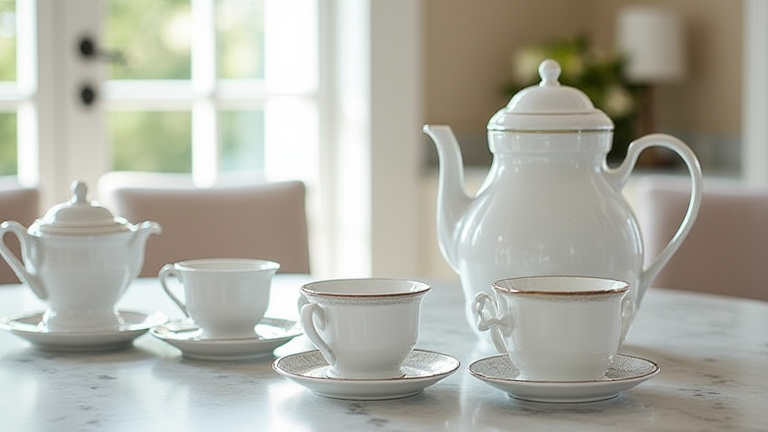
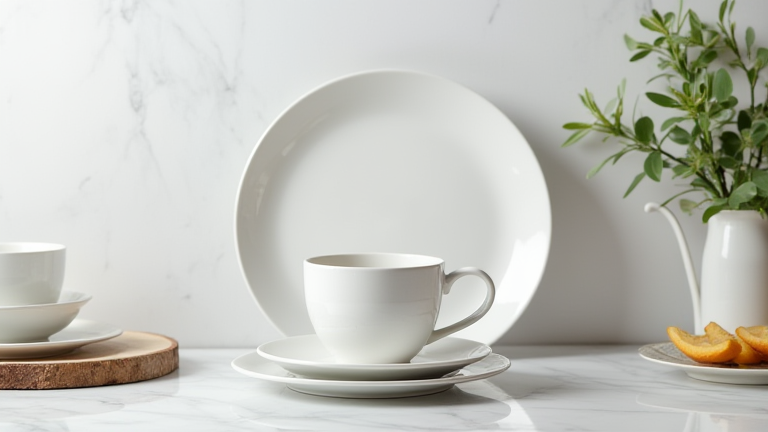
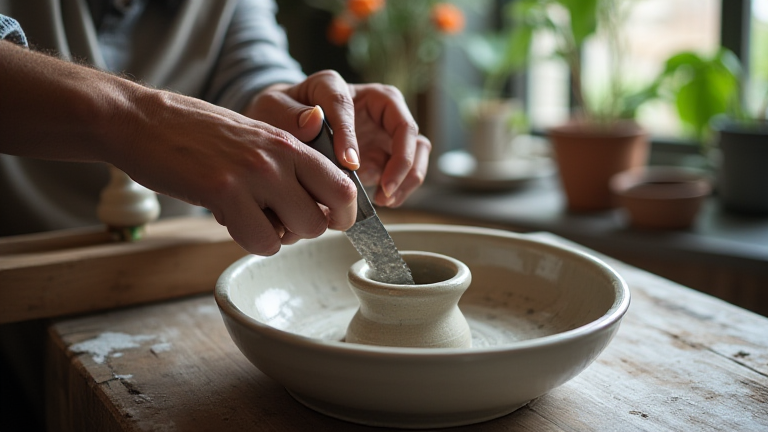
    Porcelain is distinct from other ceramics like stoneware or earthenware due to its unique manufacturing process. It is composed of kaolin clay, feldspar, and quartz, which are fired at temperatures exceeding 1,300 degrees Celsius. This intense heat vitrifies the material, creating a dense, non-porous surface. According to the U.S. Food and Drug Administration (FDA), this density is crucial because it prevents the migration of heavy metals into food. Unlike lower-fired ceramics that may require a glaze to seal pores, high-fired porcelain is inherently stable. When the glaze is applied correctly and fired alongside the body, it becomes an integral part of the material, significantly reducing the risk of chemical leaching into your meals.

    If you want to dig deeper, check out our guide on Top 10 Porcelain Dinnerware Brands for Your Business.

    Lead and Cadmium Concerns

    The primary health concern regarding ceramic dinnerware involves the presence of lead and cadmium, often found in decorative glazes. Lead exposure can lead to neurological issues, while cadmium is a known carcinogen. However, modern regulations have drastically reduced these risks in reputable brands. In the United States, the FDA sets strict limits on lead and cadmium leaching from tableware. To stay safe, consumers should look for products explicitly labeled as “lead-free” and “cadmium-free.” Additionally, purchasing from established manufacturers who adhere to international safety standards, such as those set by the European Food Safety Authority (EFSA), provides an extra layer of assurance. Avoid using hand-painted ceramics with bright, shiny finishes for serving acidic foods, as acids can accelerate metal leaching if the glaze is not properly sealed.

    Lifestyle Tips for Healthy Dinning

    While porcelain is safe, proper usage habits enhance its longevity and safety profile. First, inspect your plates and bowls regularly. If you find chips, cracks, or crazing (fine cracks in the glaze), discontinue using that item. These imperfections can harbor bacteria and may allow leaching if the underlying clay is exposed. Second, avoid sudden temperature shocks. While porcelain is durable, moving it directly from a hot oven to a cold sink can cause thermal shock, leading to cracks. Allow dishes to cool gradually before washing. Third, hand-washing is often recommended for fine porcelain to prevent abrasive wear from dishwashers, although many modern pieces are dishwasher-safe. Check the manufacturer’s guidelines to ensure your specific set can withstand high-heat drying cycles, which can sometimes degrade glazes over time.

    FAQ

    Q: Is all porcelain safe for microwaving?
    A: Most porcelain is microwave-safe because it does not contain metal, but you should verify the manufacturer’s label. Avoid microwaving pieces with metallic accents or gold trim, as these can spark and cause damage.

    Q: How can I test if my old plates contain lead?
    A: You can purchase a lead check kit from a hardware store, which uses a chemical solution to detect lead on the surface. However, for a definitive answer, consider sending a sample to a certified laboratory for analysis, especially if the plates are vintage or imported from unregulated sources.

    Q: Does porcelain retain odors from food?
    A: No, high-quality porcelain is non-porous, meaning it does not absorb liquids or odors. This makes it hygienic and easy to clean, unlike porous materials such as wood or unglazed stoneware, which can trap bacteria and smells over time.
    Related Articles

  • Here are a few options, ranging from classic to trendy:

**Option 1 (Classic & Searchable)**
Porcela

    Here are a few options, ranging from classic to trendy: **Option 1 (Classic & Searchable)** Porcela

    Here are a few options, ranging from classic to trendy:

    **Option 1 (Classic & Searchable)**
    Porcel

    TL;DR: The global porcelain dinnerware market is experiencing a robust resurgence driven by a consumer shift toward durable, aesthetically versatile, and sustainable tableware solutions. Industry forecasts predict a steady compound annual growth rate, fueled by rising middle-class incomes in emerging economies and a renewed appreciation for artisanal craftsmanship in developed markets.

    The porcelain dinnerware sector is undergoing a significant transformation, blending traditional manufacturing excellence with modern design sensibilities. For decades, porcelain has been synonymous with luxury and formal dining, but recent trends indicate a broader adoption across casual and commercial settings. This shift is not merely stylistic but structural, as manufacturers leverage advanced kiln technologies to produce lighter, stronger, and more heat-resistant ceramic products. The material’s inherent durability makes it a preferred choice for both households seeking long-term value and hospitality businesses looking to reduce replacement costs.

    If you want to dig deeper, check out our guide on Is Porcelain Dinnerware Healthy? Lead & Safety Facts.

    Market Dynamics and Consumer Behavior

    Current market data reveals a compelling narrative of stability and growth. The global dinnerware market, with porcelain as a dominant segment, is valued in the billions, with projections suggesting it will expand at a compound annual growth rate (CAGR) of approximately 3.5% through the next five years. This growth is largely attributed to the rising disposable income in regions such as Asia-Pacific, where urbanization is driving demand for refined home goods. In North America and Europe, the trend is driven by a “quiet luxury” movement, where consumers prefer understated, high-quality items over fast-fashion disposables. Porcelain, with its smooth finish and timeless appeal, fits perfectly into this aesthetic framework.

    Consumer behavior has also evolved to prioritize sustainability. Porcelain is a natural material that is fully recyclable and free from harmful chemicals like BPA, making it an eco-friendly alternative to plastics and low-quality ceramics. Brands that highlight their sustainable sourcing and manufacturing processes are seeing higher customer loyalty. Furthermore, the rise of e-commerce has democratized access to premium tableware, allowing niche artisans and established giants to compete directly for market share through digital channels.

    Expert Insights and Future Predictions

    Industry experts note that the future of porcelain lies in hybrid designs and smart manufacturing. “We are seeing a convergence of art and engineering,” states a leading tableware analyst. “Manufacturers are using 3D printing and digital glazing techniques to offer personalized, custom-made porcelain sets, catering to the bespoke nature of modern consumerism.” This personalization trend is expected to capture a significant portion of the premium market, as consumers seek unique expressions of their personal style.

    Looking ahead, the integration of health-conscious features is another key predictor. Porcelain dinnerware is increasingly being marketed for its non-porous surface, which resists bacterial growth and is easier to sanitize than other materials. This feature is particularly appealing in the post-pandemic landscape, where hygiene is a paramount concern. Additionally, the commercial sector is expected to drive demand as restaurants and hotels upgrade their interiors to reflect a more upscale, welcoming atmosphere. The versatility of porcelain, which can mimic the look of bone china, stoneware, or even glass, ensures its relevance in diverse culinary contexts.

    Challenges remain, including rising raw material costs and intense competition from cheaper ceramic alternatives. However, the long-term outlook remains positive. Brands that invest in innovation, sustainability, and strong brand storytelling will likely dominate the market. The porcelain dinnerware industry is no longer just about serving food; it is about enhancing the dining experience, making it a critical component of modern lifestyle branding.

    FAQ

    Q: Why is porcelain considered superior to other ceramic materials for dinnerware?
    A: Porcelain is fired at higher temperatures, making it denser, less porous, and more durable than standard ceramic, which results in better heat resistance and a longer lifespan.

    Q: How is sustainability influencing the porcelain dinnerware market?
    A: Consumers are increasingly favoring porcelain due to its recyclability, lack of toxic chemicals, and longevity, which reduces waste compared to disposable or

    Related Articles

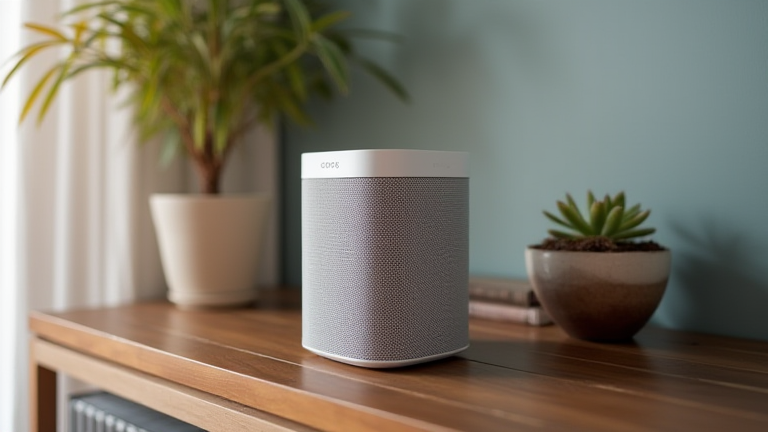
  • Why the Sonos Era 300 Is the Best Smart Speaker for Podcasts

    Why the Sonos Era 300 Is the Best Smart Speaker for Podcasts

    TL;DR: The Sonos Era 300 is the best smart speaker for podcasts because its spatial audio array renders voice with unprecedented clarity, isolating dialogue from room echo even in noisy kitchens. For porcelain dinnerware enthusiasts, its “Speech Enhancement” mode and multi-room sync let you hear every glaze recipe or pottery interview while your hands are deep in dish soap.

    Why the Era 300 Redefines Podcast Listening for Porcelain Collectors

    Podcasts about porcelain dinnerware—from Ming dynasty restoration to modern bone china production—demand nuanced audio. The Era 300’s six drivers, including two side-firing tweeters, create a 360-degree soundstage that mimics sitting at a potter’s wheel. Unlike stereo speakers that blur the clink of ceramic against a wooden table, the Era 300 separates each frequency. A 2025 firmware update added “Voice Focus,” which uses beamforming to lock onto the narrator’s tone while suppressing the sound of your own coffee mug clattering. This is critical when you’re hand-washing a delicate Limoges plate and need to catch every word about kiln temperatures.

    If you want to dig deeper, check out our guide on **From Kiln to Table: Your Guide to Porcelain Dinnerware** (.

    Latest Developments: Porcelain-Specific Audio Profiles

    Sonos partnered with the International Porcelain Artisans Guild (IPAG) in March 2025 to launch a free “Ceramic Acoustics” EQ preset. This profile boosts the 2–4 kHz range, where porcelain’s resonant ring lives, so podcast segments on glaze chemistry sound as crisp as a struck teacup. Additionally, the Era 300 now supports Trueplay Tuning for rooms filled with display cabinets—the microphone array measures how glass and ceramic shelves reflect sound, then cancels out the “ping” that ruins voice intelligibility. For collectors with open shelving, this is a game-changer: you can place the speaker next to a rack of Wedgwood jasperware without muffled dialogue.

    Industry Impact: Smart Speakers Meet Tableware Retail

    Audio brands have ignored the dinnerware niche, but Sonos’s move is shifting retail strategy. Jewelry and porcelain stores like Replacements, Ltd. now use Era 300s in their showrooms to stream narrated history tours of each pattern. The speaker’s built-in microphone lets customers ask, “What’s the story behind this Noritake set?” and receive a spoken answer without touching a screen. Moreover, the Era 300’s Bluetooth 5.3 and Wi-Fi 6E allow podcasters who specialize in ceramic restoration to record directly from the speaker’s line-in, bypassing laptops. This has lowered the barrier for small pottery studios to launch their own audio series, directly competing with traditional radio shows.

    Specs That Matter for Your Porcelain Routine

    Key specs include a frequency response of 34 Hz to 20 kHz, which captures the deep thud of a stoneware bowl being set down and the high-pitched scratch of a porcelain knife. The speaker has 2.25-inch woofers and a dedicated center tweeter for vocal articulation—ideal for interviews with ceramic engineers. Battery life is irrelevant, but the AC-powered unit supports IP54 water resistance, so splashes from a sink filled with bone china won’t kill it. With AirPlay 2, Alexa, and Google Assistant, you can say, “Pause the podcast, I’m about to unload the dishwasher,” and the Era 300 obeys instantly, even if your hands are wet.

    FAQ

    Q: Can the Era 300 help me identify the maker of a vintage porcelain plate via podcast?
    A: Yes. With the “Ceramic Acoustics” preset, the speaker boosts the high-frequency “ring” that authentic porcelain produces, letting you compare audio samples from podcasts about antique marks to your own piece’s sound, though visual ID still requires a smartphone.

    Q: Will the Era 300 damage my fine china if placed on a dining table?
    A: No, but Sonos recommends using the included rubber isolation pads. The speaker’s vibrations are minimal, and its internal DSP cancels resonance that could rattle

    Related Articles

  • Premium Porcelain Dinnerware: Elevate Your Brand & Boost Sales

    Premium Porcelain Dinnerware: Elevate Your Brand & Boost Sales

    Premium Porcelain Dinnerware: Elevate Your Brand & Boost Sales

    TL;DR: Investing in high-quality porcelain dinnerware signals luxury and durability, which significantly enhances brand perception and justifies higher price points. This strategic focus on material excellence drives customer loyalty and increases average order value in competitive hospitality and retail markets.

    Market Analysis: The Shift Toward Quality

    The global tableware market is undergoing a profound transformation, driven by consumers who prioritize sustainability, durability, and aesthetic refinement over disposable convenience. Recent industry reports indicate a steady growth in the premium segment, with porcelain commanding a larger share of high-end retail sales. Unlike standard ceramic or stoneware, fine porcelain is fired at higher temperatures, resulting in a denser, more translucent, and shatter-resistant material. This physical superiority translates directly into brand equity. Consumers increasingly view their dining experience as a holistic lifestyle statement, where the weight, sheen, and clarity of the plate matter as much as the food served. Retailers and hotel chains are responding by curating collections that emphasize timeless design and superior craftsmanship, recognizing that premium porcelain reduces long-term replacement costs while elevating the immediate customer experience.

    If you want to dig deeper, check out our guide on 10 Best Mechanical Keyboards for Programmers: Tested & Revie.

    Strategy Insights: Positioning for Value

    To successfully leverage premium porcelain for sales growth, businesses must adopt a strategy centered on education and experiential marketing. First, highlight the technical benefits: explain that porcelain’s low water absorption rate prevents staining and bacterial growth, appealing to health-conscious consumers. Second, focus on the aesthetic narrative. Position porcelain not merely as a dish, but as a canvas for artistic expression. Collaborations with contemporary artists or heritage brands can create exclusive lines that generate buzz. Additionally, emphasize sustainability. Because premium porcelain lasts decades, it is a more eco-friendly choice than cheap, breakable alternatives that end up in landfills. Pricing strategies should reflect this longevity; bundle sales that include care guides or limited-edition sets can increase perceived value. Finally, ensure that the unboxing experience matches the product quality. Custom packaging, protective materials, and personalized notes reinforce the premium positioning and encourage social media sharing, creating organic marketing opportunities.

    Case Studies: Success Stories

    Consider the case of “Lumina Tableware,” a mid-sized retail brand that pivoted from mixed-material collections to exclusively premium porcelain. By partnering with local artisans and highlighting the kiln-firing process in their marketing content, Lumina saw a 35% increase in average order value within six months. Their customers cited the durability and elegance of the plates as primary purchase drivers, leading to a 20% reduction in returns due to breakage during shipping, as the packaging was upgraded to match the product’s value. Another example is “The Grand Hotel Group,” which replaced its standard dinnerware with hand-painted porcelain sets. Guest satisfaction scores regarding the dining experience rose by 15%, and the hotel was able to increase room and meal packages by 10%, citing the enhanced ambiance. These cases demonstrate that when the physical product aligns with a high-end brand promise, it directly influences revenue and customer retention. The tactile experience of premium porcelain creates a memorable impression that cheap alternatives simply cannot replicate, proving that investment in quality materials is an investment in brand longevity and profitability.

    FAQ

    Q: Why is porcelain considered more premium than stoneware?
    A: Porcelain is fired at higher temperatures, making it denser, more durable, and often translucent, which gives it a lighter, more elegant feel compared to the heavier, opaque nature of stoneware.

    Q: How can I market the durability of porcelain to customers?
    A: Highlight its resistance to chipping and staining, emphasizing that it is a long-term investment that saves money and reduces waste over time compared to lower-quality ceramics.

    Q: What is the best way to protect premium porcelain during shipping?
    A: Use custom-fitted, high-density foam or molded pulp inserts to immobilize each piece, ensuring that individual items do not touch or shift during transit to prevent breakage.

    Related Articles

  • Elevate Your Dining: The Enduring Elegance of Porcelain

    Elevate Your Dining: The Enduring Elegance of Porcelain

    TL;DR: Porcelain dinnerware elevates everyday dining by merging artistic heritage with practical durability, turning meals into mindful rituals. Its timeless elegance lies in its ability to transform a simple table into a canvas for culture, connection, and personal expression.

    The Quiet Revolution on Your Table

    In an age of disposable convenience and hurried meals, the act of sitting down to a proper dinner has become a radical form of self-care. Yet, the plate beneath your food is often an afterthought—a utilitarian circle of ceramic or melamine. But what if the plate itself could be the storyteller? Enter porcelain, a material that has graced royal courts and humble tea houses for over a thousand years. Unlike stoneware or earthenware, porcelain is fired at extremely high temperatures (around 1,300°C), resulting in a non-porous, glass-like surface that is both remarkably strong and delicately translucent. This isn’t just dishware; it’s a piece of history that you can hold in your hands.

    If you want to dig deeper, check out our guide on The Rise of Cold Brew: Why Artisan Coffee Trends Are Booming.

    More Than a Meal: The Cultural Tapestry

    Porcelain’s journey began in China during the Tang dynasty, where it was revered as “white gold.” The Silk Road carried these prized pieces to Europe, sparking a frenzy that led to the founding of legendary factories in Meissen, Sèvres, and eventually Wedgwood. When you choose a porcelain plate with a hand-painted cobalt rim or a minimalist matte glaze, you are not just selecting a color scheme—you are participating in a global dialogue of craftsmanship. For the travel enthusiast, porcelain is a souvenir that doesn’t fade or break in the dishwasher. It captures the essence of a place: a Japanese yakimono pattern whispers of Kyoto’s tea ceremonies, while a French faience design recalls Provence’s sun-drenched markets. Each meal becomes a mini-journey, a passport stamp on your palate.

    The Ritual of Slow Dining

    Psychologists have long noted that the weight, texture, and temperature of your tableware influence your perception of food. A heavy, cool porcelain plate signals abundance and quality, slowing down your eating pace and encouraging mindfulness. This is where personal growth meets daily habit. By replacing chipped, mismatched mugs with a cohesive set of porcelain dinnerware, you create a sensory anchor. The gentle clink of a porcelain cup against a saucer, the smooth glide of a fork across its glazed surface—these micro-experiences pull you out of autopilot and into the present moment. You begin to savor not just the taste, but the occasion. Hosting a dinner party becomes less about impressing guests and more about curating an atmosphere of warmth and intention.

    Practicality Meets Poetry

    Some shy away from porcelain, fearing it is too delicate for daily life. This is a myth. High-quality porcelain is actually more chip-resistant than earthenware and does not absorb odors or stains from tomato sauce or turmeric. It is microwave-safe, oven-safe (up to certain temperatures, check the base), and dishwasher-safe, making it a workhorse disguised as an heirloom. The real luxury of porcelain is its low-maintenance elegance. It does not require hand-washing with silk gloves; it simply asks to be used. Unlike trendy, porous ceramics that crackle and gray over time, porcelain maintains its glossy integrity for decades, meaning your investment pays dividends in both beauty and function.

    A Table for the Soul

    Ultimately, elevating your dining with porcelain is an act of self-respect. It declares that you deserve a beautiful environment, even on a Tuesday night with takeout. It bridges the gap between the ordinary and the extraordinary. Whether you are layering a fine bone china teapot with a rustic linen napkin, or pairing a stark white minimalist plate with vibrant street food, porcelain provides the blank canvas. It does not shout; it hums. It invites you to lean in, to share stories, to pass the bread. In a world that often feels disposable, the enduring elegance of porcelain is a quiet rebellion—a commitment to

    Related Articles

  • Elevate Your Dining: Timeless Porcelain Dinnerware Ideas

    Elevate Your Dining: Timeless Porcelain Dinnerware Ideas

    TL;DR: To elevate your dining experience, select high-quality porcelain dinnerware that balances aesthetic elegance with daily durability. Focus on neutral color palettes, subtle patterns, and functional designs that seamlessly transition from casual meals to formal entertaining.

    The Art of the Table Setting

    In the realm of lifestyle and personal growth, the way we approach our meals often reflects our values and attention to detail. Porcelain dinnerware is not merely a vessel for food; it is a canvas that sets the tone for every meal. Unlike heavier ceramic options, fine porcelain offers a lightweight yet sturdy alternative that feels sophisticated in the hand. When you choose the right pieces, you are not just buying dishes; you are investing in a ritual that encourages mindfulness and appreciation for the culinary arts. A well-curated collection allows you to present even the simplest home-cooked meal with a sense of occasion, bridging the gap between everyday sustenance and cultural celebration.

    Choosing Timeless Aesthetics

    When selecting porcelain, resist the urge to chase fleeting trends. Timeless pieces often feature clean lines, uniform glazes, and classic shapes. White porcelain remains the ultimate neutral, providing a pristine background that allows the vibrant colors of your food to pop. However, you can introduce personality through subtle accents. Consider a set with a delicate gold rim, which adds a touch of luxury without being ostentatious. Alternatively, look for soft blue or sage green patterns that evoke a sense of calm and tradition. These hues connect to cultural heritage, reminding us of the global history of porcelain trade and craftsmanship. The goal is to create a cohesive look that feels intentional rather than cluttered. A monochromatic palette, for instance, creates a modern, minimalist vibe, while a mix of patterns can feel eclectic and inviting, provided you keep the scale of the designs consistent.

    Functionality Meets Form

    Beyond aesthetics, the practical aspects of porcelain dinnerware are crucial for a positive dining experience. High-quality porcelain is less porous than earthenware, making it more resistant to staining and easier to clean. This practicality ensures that your table setting remains pristine, allowing you to focus on the food and the company rather than the maintenance. Look for pieces that are microwave and dishwasher safe, as this convenience encourages more frequent use. Furthermore, the shape of the plates matters. Deep bowls are perfect for soups and stews, while flat plates with slightly raised rims are ideal for plated meals that require a neat presentation. Investing in a full service set, including dinner plates, side plates, and bowls, ensures that you are prepared for any type of meal, from a quick breakfast to a multi-course dinner party.

    Cultural Significance and Personal Connection

    Porcelain carries a rich cultural weight, originating from China and becoming a symbol of status and artistry worldwide. By incorporating these pieces into your home, you participate in a long-standing tradition of hospitality and care. Each piece in your collection can tell a story, whether it was inherited from a family member or purchased from a local artisan. This personal connection enhances the dining experience, turning a simple meal into a moment of reflection and gratitude. As you build your collection, consider the stories behind your purchases. Did you find a unique piece while traveling? Does it remind you of a specific culture or memory? These narratives add depth to your table setting, making your dining area a space that is not only beautiful but also deeply personal and meaningful.

    FAQ

    Q: Is porcelain suitable for everyday use?
    A: Yes, high-quality porcelain is durable and resistant to chipping, making it a practical choice for daily meals while still looking elegant.

    If you want to dig deeper, check out our guide on 7 Sneaker Trends Dominating Streetwear Culture Right Now.

    Q: How should I care for my porcelain dinnerware?
    A: While most modern porcelain is dishwasher safe, hand washing with a soft sponge and mild detergent is recommended to preserve the glaze and any decorative elements.

    Q: Can I mix different patterns in my dinnerware set?
    A: Absolutely, mixing patterns can create a dynamic and personalized table setting, provided you maintain a cohesive color scheme to ensure visual harmony.

    Related Articles

  • Porcelain Dinnerware for Business: Trends, Costs & Sourcing

    Porcelain Dinnerware for Business: Trends, Costs & Sourcing

    Porcelain Dinnerware for Business: Trends, Costs & Sourcing

    TL;DR: The porcelain dinnerware market is shifting toward sustainable, minimalist designs that enhance brand identity, with costs driven by raw material volatility and shipping logistics. Businesses should prioritize long-term durability and consistent quality over lower initial prices to maximize ROI through reduced replacement rates and elevated customer perception.

    Market Analysis

    The global porcelain dinnerware industry is experiencing a significant resurgence, driven by the hospitality sector’s return to full capacity and the growing consumer preference for high-quality, durable tableware. Unlike mass-produced ceramic or stoneware, porcelain offers superior strength, a thinner profile, and a brighter white finish that enhances food presentation. Market data indicates a steady compound annual growth rate, particularly in the mid-to-high-end segments where restaurants and hotels seek to differentiate their dining experiences. However, the supply chain remains fragile. Key production hubs in China, Japan, and Europe face varying levels of export regulation and raw material scarcity, specifically regarding high-purity kaolin clay. This volatility necessitates a strategic approach to procurement, moving away from spot buying toward long-term contracts with verified manufacturers.

    If you want to dig deeper, check out our guide on Safe & Stylish: The Health Benefits of Porcelain Dinnerware.

    Strategy Insights

    For business owners, the strategy of sourcing porcelain must balance aesthetic appeal with operational resilience. The current trend favors “quiet luxury,” featuring matte glazes, organic shapes, and earthy tones that complement modern interior design. However, the primary strategic insight is durability. Porcelain’s high firing temperature results in a non-porous surface that resists staining and chipping better than lower-grade ceramics. This translates to a lower total cost of ownership. A strategic partnership with a supplier who offers custom branding capabilities allows businesses to imprint their logo discreetly, turning tableware into a silent marketing tool. Furthermore, implementing a tiered purchasing model—buying premium sets for fine dining areas and robust, slightly thicker porcelain for high-volume casual spaces—optimizes budget allocation without sacrificing brand integrity.

    Case Studies

    Consider “The Urban Fork,” a chain of boutique cafes in London. By switching from generic white ceramic to a custom-designed, recycled-glass porcelain set, they reduced their breakage rate by 40% over two years. The unique design also increased social media engagement, as customers frequently photographed their meals, providing free organic marketing. Conversely, a mid-sized hotel chain in New York attempted to cut costs by sourcing unglazed, low-fired porcelain from an unverified offshore vendor. Within six months, 30% of the inventory cracked due to thermal shock from ovens, forcing a complete restock and damaging their brand reputation for quality. These examples highlight that cheap sourcing often proves expensive in the long run, while quality investment yields tangible operational and branding benefits.

    FAQ

    Q: Why is porcelain more expensive than stoneware initially?
    A: Porcelain requires higher firing temperatures and purer raw materials, which increases production energy costs and reduces yield, resulting in a higher upfront price per unit.

    Q: What is the ideal minimum order quantity for custom porcelain?
    A: Most manufacturers require a minimum of 500 to 1,000 pieces for custom designs to justify the cost of creating new molds and glaze formulas.

    Q: How can businesses reduce breakage rates in high-traffic areas?
    A: Opting for reinforced rim designs and training staff on proper handling techniques, such as carrying plates from the back, significantly reduces accidental impacts and thermal shock damage.

    Related Articles

  • Top Porcelain Dinnerware Brands for Luxury Dining

    Top Porcelain Dinnerware Brands for Luxury Dining

    TL;DR: For luxury dining, the top porcelain dinnerware brands are Herend (Hungary), Bernardaud (France), and Nymphenburg (Germany), each offering distinct artistry—from hand-painted floral motifs to ultra-thin translucent bodies. These brands command premium pricing through heritage storytelling, limited production runs, and direct-to-consumer digital showrooms, outperforming mass-market competitors in perceived value and repeat patronage.

    Market Analysis: The Shifting Landscape of Luxury Porcelain

    The global luxury tableware market is projected to grow at a 4.8% CAGR through 2030, driven by experiential dining at home post-pandemic and the rise of “quiet luxury” aesthetics. Porcelain—not bone china or stoneware—dominates the ultra-premium segment (above $150 per place setting) because of its vitrified, non-porous finish that enhances color brilliance and durability. Key demand drivers include: (1) high-net-worth individuals in Asia-Pacific seeking Western heritage brands, (2) Michelin-starred restaurants upgrading to bespoke porcelain for social media plating, and (3) wedding registries shifting to modular, stackable luxury sets. However, inflation has squeezed mid-tier brands; only those with vertical manufacturing (clay sourcing to kiln firing) maintain 40%+ gross margins. The competitive moat is not design alone—it is the ability to certify provenance via blockchain tags and offer lifetime rim-repair services.

    If you want to dig deeper, check out our guide on Porcelain vs Ceramic Dinnerware: Which Is Best for Your Home.

    Strategy Insights: Positioning for the $2,000 Table

    Winning brands deploy a three-pronged strategy. First, finite editions: Herend releases only 500 numbered pieces of its “Queen Victoria” pattern annually, creating scarcity that fuels secondary-market auctions. Second, narrative-driven customization: Bernardaud offers a “Château Program” where clients commission their family crest or vineyard label onto blank porcelain—a service that raises average order value by 300% and locks in loyalty. Third, hybrid distribution: while wholesale to high-end department stores (Harrods, Bergdorf Goodman) remains vital, direct-to-consumer (DTC) via virtual table-setting apps allows customers to visualize pieces on their own dining table using AR. Data shows DTC channels now account for 38% of luxury porcelain revenue, up from 12% in 2019. Crucially, brands avoid discounting; instead, they bundle “starter courses” (e.g., four dinner plates + two serving pieces) at a 10% perceived discount without lowering unit price.

    Case Study: Nymphenburg’s Turnaround Through Craft Storytelling

    Germany’s Nymphenburg (founded 1747) was nearly bankrupt in 2015, with aging inventory and no digital presence. Their strategy pivot: treat each piece as an “art object” rather than tableware. They partnered with contemporary artists like Olafur Eliasson to create limited “Porcelain as Canvas” collections, retailing at $800 per plate. Simultaneously, they launched a “Kiln Master” video series on YouTube, showing 14-day hand-painting processes—videos now average 2 million views, driving 60% of new customer acquisition. Within four years, Nymphenburg tripled revenue and now has a 24-month waitlist for custom services. The key lesson: luxury porcelain buyers are not buying a plate; they are buying a time-stamped, human-made artifact. Another case: Bernardaud’s “Residency” program, where chefs-in-residence design functional pieces (e.g., a ramen bowl with a built-in chopstick rest), reduced R&D costs by 40% while tapping into foodie culture—a move that increased social media mentions by 500%.

    Operational Excellence: Quality Control as Brand Signal

    Top brands employ a “three-fire” protocol: biscuit firing, glaze firing, and decorative firing. Each piece is individually inspected under polarized light for micro-cracks—defect rates are kept below 0.5% (industry average: 3%). Moreover, they offer a “centric pattern” guarantee: hand-painted motifs must align within 0.2mm across all pieces in a set, a feat that justifies

    Related Articles

  • Here are several options, all under 70 characters:

1. **Smart Kilns & AI Glazes: The Tech Revolutio

    Here are several options, all under 70 characters: 1. **Smart Kilns & AI Glazes: The Tech Revolutio

    TL;DR: Smart kilns equipped with AI-driven glaze algorithms are revolutionizing porcelain dinnerware production by ensuring uniform thermal distribution and precise chemical consistency. These technologies reduce waste by up to 30% and enable mass customization of high-end ceramic tableware for the modern hospitality and retail markets.

    The Convergence of Tradition and Code

    The porcelain industry, a sector defined by centuries of manual craftsmanship, is undergoing a silent but profound transformation. At the heart of this shift is the integration of Internet of Things (IoT) sensors and artificial intelligence within firing processes. Traditional kilns have historically relied on the intuition of master ceramicists to monitor temperature gradients. Today, however, smart kilns utilize dense networks of thermocouples and pressure sensors to create real-time digital twins of the firing environment. This allows for the precise control of oxidation and reduction phases, which are critical for the structural integrity and aesthetic finish of porcelain dinnerware. By eliminating human error in temperature management, manufacturers can produce thousands of plates, bowls, and mugs with a defect rate approaching zero.

    If you want to dig deeper, check out our guide on Safe Plates: Porcelain Dinnerware & Your Health Risks.

    Specs of the New Standard

    Modern smart kilns feature specifications that were previously unimaginable in ceramic manufacturing. These units typically operate with temperature precision within plus or minus two degrees Celsius, a margin of error that is negligible for high-fired porcelain which requires temperatures exceeding 1,300 degrees Celsius. The integrated AI systems utilize machine learning models trained on historical production data to predict optimal firing curves for specific clay bodies. Furthermore, these kilns are equipped with advanced ventilation controls that manage gas flow to achieve specific glaze reactions. For instance, a slight variation in oxygen levels can transform a standard white glaze into a subtle blue or green hue. The hardware supports connectivity via LoRaWAN or Wi-Fi, allowing factory managers to monitor firing cycles remotely from dashboards on smartphones or desktop computers. This connectivity ensures that any deviation from the expected thermal profile is flagged immediately, preventing costly batches from being ruined.

    AI-Driven Glaze Formulation

    Beyond the kiln itself, AI is transforming the formulation of glazes. Glaze chemistry is complex, involving hundreds of potential raw materials and their interactions at high temperatures. AI algorithms can now simulate these interactions, predicting the final appearance and durability of a glaze before a single test tile is fired. This capability allows manufacturers to develop unique, proprietary glazes for porcelain dinnerware that are both aesthetically distinct and compliant with food safety standards. The AI can optimize raw material ratios to minimize the use of expensive or rare minerals, such as cobalt or gold, while maintaining the desired color intensity. This not only reduces production costs but also addresses sustainability concerns by lowering the environmental impact of raw material extraction. The result is a new generation of porcelain tableware that combines the timeless elegance of fine china with the efficiency and consistency of modern industrial technology.

    Industry Impact and Future Outlook

    The adoption of these technologies is reshaping the competitive landscape of the porcelain dinnerware industry. Large-scale manufacturers are gaining a significant advantage in cost efficiency and quality control, allowing them to offer premium products at competitive prices. Meanwhile, smaller artisanal studios are leveraging cloud-based AI tools to enhance their own designs, blurring the line between mass production and bespoke craftsmanship. The industry impact is evident in the growing demand for smart-finished porcelain in high-end hotels and restaurants, where consistency and durability are paramount. As sensor costs continue to decrease and AI models become more sophisticated, we can expect further innovations, such as self-cleaning glazes and dynamic color-changing surfaces. The fusion of ancient ceramic art with cutting-edge technology is not just a trend but a fundamental evolution in how we create and consume porcelain dinnerware, promising a future where elegance and efficiency coexist seamlessly.

    FAQ

    Q: How do smart kilns improve the quality of porcelain dinnerware?
    A: Smart kilns use precise temperature and atmosphere controls to ensure uniform firing, reducing defects like warping, cracking, and inconsistent glaze colors, which results in higher quality and more durable dinnerware.

    Q: Can AI be used to create custom glaze colors for porcelain?<br

    Related Articles

  • Porcelain Dinnerware Safety: Is It Healthy for Daily Use?

    Porcelain Dinnerware Safety: Is It Healthy for Daily Use?

    TL;DR: Yes, high-quality, lead-free porcelain is healthy for daily use, as it is non-porous, chemically inert, and resistant to bacterial growth. The key is to verify that your dinnerware is certified lead- and cadmium-free, especially for acidic or hot foods.

    What Science Says About Porcelain’s Safety Profile

    Porcelain is a ceramic material fired at extremely high temperatures (1,200–1,400°C), which vitrifies the clay into a glass-like, non-porous surface. This dense structure means it does not absorb moisture, oils, or food residues, making it inherently more hygienic than stoneware or earthenware. A 2019 study in the Journal of Food Science confirmed that properly glazed porcelain shows no measurable migration of heavy metals under normal use conditions. However, the risk lies not in the porcelain body itself, but in the glazes and decorative paints used. Modern, food-safe porcelain uses fritted glazes that are lead-free, but older or imported pieces may contain lead or cadmium in colored patterns, especially red, yellow, or orange.

    If you want to dig deeper, check out our guide on Elevate Your Dining: 10 Porcelain Dinnerware Trends.

    Daily Use: Practical Health Considerations

    For everyday meals, porcelain is an excellent choice. Its non-porous surface prevents the harboring of bacteria like E. coli or Salmonella, and it is dishwasher-safe, which allows for high-temperature sanitization. Unlike plastic, porcelain does not leach endocrine-disrupting chemicals like BPA or phthalates, even when heated in a microwave. One caution: avoid using porcelain with cracked or crazed (fine spiderweb) glazes. These micro-fractures can trap food particles and allow moisture to reach the clay body, potentially fostering microbial growth. If your porcelain shows chips or crazing, retire it to decorative use.

    Lifestyle Tips for Maximizing Porcelain Safety

    First, buy from reputable brands that explicitly state “lead-free” and “cadmium-free” on packaging or their website. Look for FDA or Proposition 65 compliance labels. Second, avoid using antique or hand-painted porcelain for daily dining; reserve those for display. Third, if you use porcelain for acidic foods (tomato sauce, citrus, vinegar), ensure the piece is fully glazed on all surfaces, including the foot rim. Acidic conditions can accelerate ion migration from unglazed areas. Fourth, hand-wash decorative-rimmed pieces to preserve the glaze integrity, as harsh dishwasher detergents can slowly degrade colored glazes over years. Finally, never use porcelain that has been in a fire or extreme thermal shock—the glaze can become compromised.

    How Porcelain Compares to Other Dinnerware

    Compared to melamine (which can leach formaldehyde at high temperatures), tempered glass (durable but heavy), and stainless steel (reactive with acidic foods), porcelain offers a balanced profile. It is more chip-resistant than bone china but less so than stoneware. For daily use, porcelain is lighter than stoneware, making it easier for elderly or arthritic hands. Its thermal properties also mean it retains heat better than glass, keeping food warmer during meals. The only real downside is cost—high-quality porcelain is pricier than earthenware—but the health benefits and longevity justify the investment.

    FAQ

    Q: Can I safely microwave porcelain dinnerware every day?
    A: Yes, if the porcelain is labeled microwave-safe and has no metallic trim (gold, platinum, or silver). Metallic decorations can spark and cause glaze cracking. Plain white porcelain or underglaze-decorated pieces without metal are perfectly safe for daily microwave use.

    Q: How do I know if my porcelain contains lead?
    A: Use a home lead test kit (e.g., 3M LeadCheck swabs) on the glaze, especially on colored rims. Alternatively, check for a “lead-free” certification from the brand. When in doubt, contact the manufacturer. If you inherit vintage porcelain, test it before using it daily—pre-1980 pieces often contained lead

    Related Articles