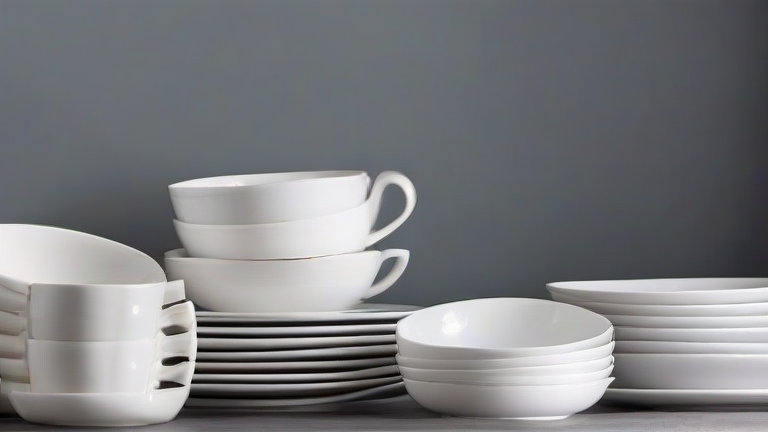
Safe Plates: Porcelain Dinnerware & Your Health Risks
TL;DR: High-quality, lead-free porcelain is chemically inert and safe for daily use, posing no significant health risks when maintained correctly. You should only avoid using cracked or damaged plates in microwaves or ovens, as this can potentially release trace metals if the glaze is compromised.
For centuries, porcelain has been the gold standard in fine dining, celebrated for its elegance, durability, and timeless aesthetic. However, modern consumers are increasingly concerned about the hidden chemical dangers lurking in everyday household items, including the dishes they eat from. A common fear surrounds the presence of lead and cadmium, heavy metals historically used in ceramic glazes to achieve a glossy finish. The scientific consensus, however, offers a reassuring perspective for those using modern, compliant porcelain dinnerware. According to rigorous testing standards set by the FDA and the European Food Safety Authority, reputable porcelain brands strictly adhere to limits that ensure no harmful levels of heavy metals leach into food, even under acidic conditions. This makes high-grade porcelain a safe choice for families, particularly for serving acidic foods like tomato sauces or citrus-based dressings, which are most likely to trigger any potential leaching in lower-quality ceramics.
If you want to dig deeper, check out our guide on How to Write a Business Plan for a Coffee Shop: Step-by-Step.
Understanding the Science of Glazes
The safety of your porcelain plates largely depends on the composition of the glaze and the manufacturing process. Modern industrial porcelain is fired at extremely high temperatures, creating a vitreous surface that is non-porous and resistant to water absorption. This structural integrity prevents bacteria from penetrating the surface and ensures that the glaze remains stable during use. While vintage or handmade pottery from unknown sources might contain older glaze formulations with higher metal content, contemporary commercial porcelain is subject to strict quality control. To ensure safety, always purchase dinnerware from reputable manufacturers who explicitly state that their products are lead-free and cadmium-free. Look for certifications from third-party testing laboratories, which provide independent verification of safety standards. This proactive approach eliminates the uncertainty associated with unverified products and provides peace of mind for daily usage.
Lifestyle Tips for Long-Lasting Safety
Maintaining the integrity of your porcelain is crucial for ensuring long-term safety. First, inspect your plates regularly for any signs of damage. Cracks or chips in the glaze can expose the underlying clay body, which may not be as stable or safe as the vitreous surface. If you notice any structural damage, it is best to retire that piece from your active dining rotation to prevent any potential contamination of food. Second, while most modern porcelain is microwave-safe, always check the manufacturer’s guidelines. Rapid temperature changes can cause thermal shock, leading to cracking. To prevent this, allow hot plates to cool gradually before washing them in cold water. Additionally, using non-abrasive sponges for cleaning helps preserve the smooth, non-porous surface of the glaze, preventing micro-scratches where bacteria could potentially harbor. By adopting these simple maintenance habits, you extend the lifespan of your dinnerware and ensure it remains a hygienic and safe component of your kitchen routine.
Ultimately, the risk associated with porcelain dinnerware is negligible for consumers who choose quality products and practice basic care. The elegance of porcelain does not come at the cost of health, provided that you stay informed and vigilant about the sources of your tableware. Embrace the beauty of porcelain with confidence, knowing that science backs its safety for your daily meals.
FAQ
Q: Is it safe to use chipped porcelain plates?
A: It is not recommended to use chipped plates for eating, as the exposed clay beneath the glaze may harbor bacteria or contain unstable materials that could leach into food.
Q: Can I put porcelain in the dishwasher?
A: Yes, most modern porcelain is dishwasher-safe, but hand washing is gentler on the glaze and helps prevent thermal shock damage over time.
Q: How can I tell if my porcelain is lead-free?
A: Look for explicit labeling from the manufacturer stating the product is lead-free and check for certifications from recognized safety testing bodies.
Leave a Reply