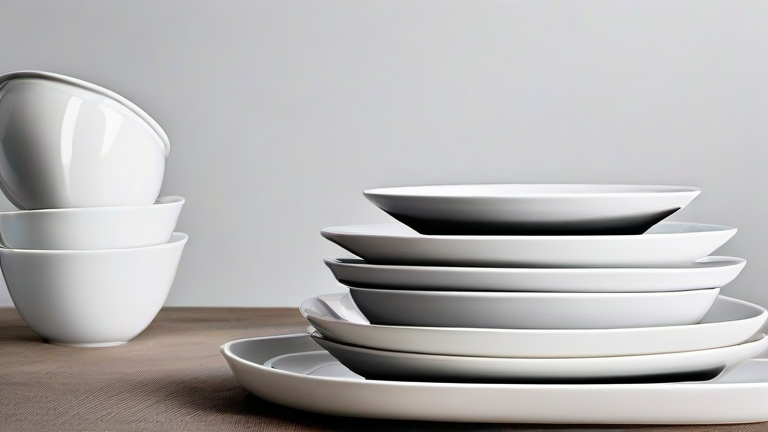
TL;DR: Yes, modern porcelain dinnerware is generally safe for health when purchased from reputable manufacturers that comply with current safety regulations. The primary concern is lead leaching, which is negligible in properly vitrified, lead-free porcelain used for hot food.
The Science of Porcelain Safety
Porcelain is a type of ceramic material made from finely ground, processed kaolin clay, feldspar, and quartz. Unlike earthenware, which is porous and requires a glaze to become waterproof, porcelain is fired at extremely high temperatures, typically between 1,200 and 1,400 degrees Celsius. This process, known as vitrification, creates a dense, non-porous body that is inherently strong and resistant to liquid absorption. From a health perspective, this density is crucial. Because the material is non-porous, bacteria and mold cannot penetrate the surface, making porcelain easy to clean and hygienic for food storage.
If you want to dig deeper, check out our guide on Porcelain Dinnerware Tech: How Innovation Changes Your Dinin.
The historical concern regarding porcelain safety stems from the use of lead-based glazes. In the past, lead oxides were added to glazes to achieve bright, vibrant colors and a smooth finish. If the firing temperature was insufficient or the glaze was poorly formulated, lead could leach into food, especially acidic items like tomato sauce or citrus fruits. Lead exposure is linked to neurological damage, kidney issues, and developmental problems in children. However, the landscape has changed dramatically. Today, strict regulations in the United States, Europe, and other major markets mandate that consumer ceramics contain minimal levels of lead and cadmium. The U.S. Consumer Product Safety Commission (CPSC) sets strict limits, requiring that lead leach from ceramic ware at levels below 0.5 ppm for lead and 0.25 ppm for cadmium. Most modern porcelain dinnerware sold by major brands is explicitly labeled as lead-free and cadmium-free.
Lifestyle Tips for Safe Usage
While modern porcelain is safe, adopting a few simple habits ensures long-term integrity and safety. First, always buy from reputable brands that explicitly state their materials are compliant with safety standards. Avoid purchasing vintage or antique porcelain for food use unless you have had it professionally tested for lead content, as older glazes may not meet current safety thresholds. Second, avoid using cracked or chipped porcelain plates. While the base material remains stable, damage to the glaze can expose the underlying clay body to liquids, potentially compromising the barrier. If you notice chips, it is best to retire the item from daily food service and use it for decorative purposes only.
Third, be mindful of hand-painted decorations. While the base porcelain is safe, some artisanal or decorative glazes may contain higher levels of heavy metals. If you are using hand-painted pieces, limit their use for hot, acidic foods. For everyday dining, stick to plain white or commercially produced colored porcelain. Finally, proper care extends the life of your dinnerware. Porcelain is generally dishwasher safe, but if you have delicate patterns, hand washing is preferable. Avoid abrasive scouring pads that can scratch the glaze, as scratches can harbor bacteria and make the surface more susceptible to chipping.
In conclusion, porcelain remains one of the safest and most durable materials for dinnerware. Its non-porous nature, combined with modern manufacturing standards, ensures that it does not leach harmful substances into your food. By choosing reputable brands and maintaining your dishes properly, you can enjoy the aesthetic and functional benefits of porcelain without compromising your health. The key is awareness: understanding the difference between modern, regulated products and older, potentially unsafe items allows you to make informed choices for your household. Embrace the elegance of porcelain with confidence, knowing that when sourced correctly, it is a healthy and safe option for your daily meals.
FAQ
Q: Can I microwave porcelain plates?
A: Yes, most modern porcelain is microwave-safe because it is non-porous and does not retain moisture that could cause steam buildup. However, avoid microwaving porcelain with metallic gold or silver rims, as this can cause sparking.
Q: Is porcelain better than ceramic for health?
A: Porcelain
Leave a Reply