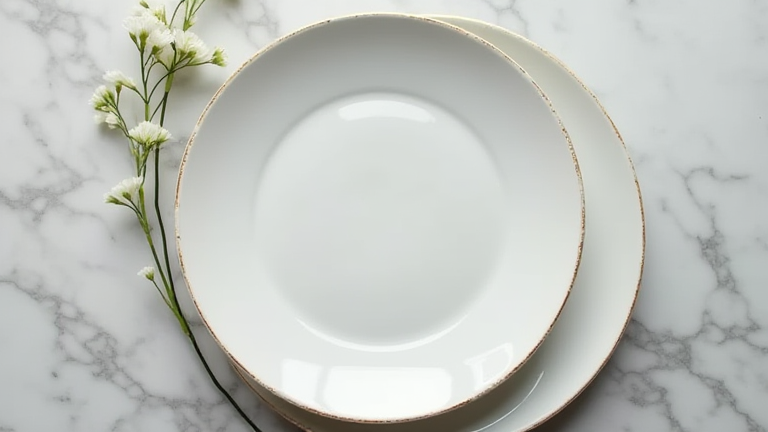
Category: Uncategorized

  • Porcelain Dinnerware Care: Cleaning & Repair Tutorial

    Porcelain Dinnerware Care: Cleaning & Repair Tutorial

    TL;DR: Clean porcelain dinnerware using mild dish soap, warm water, and a soft sponge to prevent scratching the glossy finish. For minor chips, apply a specialized porcelain repair kit or toothpaste to fill gaps, ensuring the piece remains food-safe before use.

    Porcelain Dinnerware Care: Cleaning & Repair Tutorial

    Porcelain is prized for its durability and elegant appearance, but it requires specific care to maintain its pristine condition over years of use. Proper maintenance ensures your tableware remains chippy-free and visually appealing for generations. This guide provides essential steps for daily cleaning and emergency repairs.

    If you want to dig deeper, check out our guide on Elevate Your Table: The Timeless Charm of Porcelain Dinnerwa.

    Daily Cleaning Procedures

    Start by rinsing dishes immediately after use to prevent food residue from hardening. Use lukewarm water rather than hot water to avoid thermal shock, which can cause micro-cracks in thin porcelain. Apply a few drops of mild, non-abrasive dish soap to a soft sponge or cloth. Gently scrub the surface in circular motions, paying extra attention to the rims where food often sticks. Avoid using steel wool or abrasive pads, as these will permanently scratch the glaze and dull the shine. After cleaning, rinse thoroughly with clean water to remove all soap residue. Dry immediately with a soft, lint-free towel to prevent water spots from forming. If your porcelain has gold or silver rims, hand wash only, as the high heat and detergents in a dishwasher can strip away the metallic luster. For stubborn stains, create a paste from baking soda and water, apply it to the stain, let it sit for ten minutes, and then gently scrub with a soft cloth.

    Repairing Chips and Cracks

    Small chips are common and can be fixed without replacing the entire set. First, clean the chipped area thoroughly and let it dry completely. For very small chips, you can apply a small amount of white toothpaste or clear nail polish to the spot. This temporary fix helps fill the void and prevents the chip from growing larger. For more significant damage, use a specialized porcelain repair kit available at craft stores. These kits usually contain a two-part epoxy resin. Mix the resin according to the instructions and apply a small amount to the chipped area. Use a toothpick to spread the resin evenly, ensuring it fills the gap completely. Allow the repair to cure for the recommended time, usually 24 hours. Once cured, sand the area lightly with fine-grit sandpaper if it feels rough, then polish it with a soft cloth. Note that repaired areas may not be as food-safe as the original glaze, so avoid using them for acidic foods. For structural cracks, it is best to retire the piece from active dining use and display it as a decorative item, as cracks can harbor bacteria and may shatter under pressure.

    FAQ

    Q: Can I put porcelain in the dishwasher?
    A: Yes, most modern porcelain is dishwasher-safe, but check the manufacturer’s label. Hand washing is recommended for antique pieces or those with metallic trim to preserve their integrity and appearance.

    Q: How do I remove tea or coffee stains?
    A: Soak the stained area in a mixture of warm water and lemon juice for thirty minutes. Alternatively, use a paste of baking soda and water, let it sit, then scrub gently with a soft cloth.

    Q: Is it safe to use porcelain with small chips?
    A: It is generally not recommended. Chips can harbor bacteria that are difficult to clean and may cause the piece to shatter during use, posing a safety risk to diners.
    Related Articles

  • Top 7 Tech Innovations Transforming Porcelain Dinnerware

    Top 7 Tech Innovations Transforming Porcelain Dinnerware

    TL;DR: Advanced material science and digital manufacturing are redefining porcelain dinnerware by enhancing durability and reducing environmental impact. These seven innovations, ranging from nano-reinforced clay bodies to AI-optimized kiln controls, are making traditional porcelain more resilient, sustainable, and visually stunning for modern consumers.

    1. Nano-Reinforced Clay Bodies

    Modern porcelain now incorporates nano-silica particles into the raw material mix. This microscopic reinforcement increases shatter resistance by up to 40% without adding significant weight. The result is dinnerware that withstands daily drop impacts better than traditional vitrified porcelain, significantly extending product lifespan and reducing waste in both household and commercial settings.

    If you want to dig deeper, check out our guide on Elevate Your Table: The Timeless Allure of Porcelain Dinnerw.

    2. AI-Optimized Kiln Firing

    Machine learning algorithms now monitor kiln temperatures in real-time, adjusting fuel input and airflow dynamically. This precision ensures uniform vitrification across large batches, eliminating thermal stress cracks. Industry impact is substantial, with factories reporting a 15% reduction in defective units and a 20% decrease in energy consumption per thousand plates produced.

    3. Eco-Friendly Water-Based Glazes

    Traditional solvent-based glazes are being replaced by high-performance water-based alternatives. These new formulations offer superior gloss and color vibrancy while eliminating volatile organic compounds (VOCs). This shift addresses strict environmental regulations and consumer demand for non-toxic, food-safe products, making the manufacturing process cleaner and safer for workers.

    4. 3D-Printed Complex Geometries

    Additive manufacturing allows for intricate, organic shapes that were previously impossible with slip-casting. Designers can now create dinnerware with varying thicknesses, enhancing structural integrity where needed and reducing weight elsewhere. This technology enables mass customization, allowing brands to offer limited-edition, geometrically complex pieces without prohibitive mold costs.

    5. Self-Cleaning Photocatalytic Coatings

    Experimental titanium dioxide coatings are being applied to high-end porcelain. When exposed to light, these coatings break down organic stains and bacteria on the surface. This innovation reduces the need for harsh chemical cleaners, promoting a healthier kitchen environment and maintaining the pristine white appearance of porcelain dinnerware over time.

    6. Thermal Shock Resistance Enhancements

    New borosilicate additives improve the thermal expansion match between the clay body and glaze. This enhancement allows porcelain to withstand rapid temperature changes, such as moving directly from a freezer to a hot oven. This durability is crucial for modern cooking styles that involve extreme temperature shifts, making porcelain more versatile for contemporary cuisine.

    7. Blockchain Supply Chain Transparency

    Blockchain technology is being used to track the origin of raw materials, ensuring ethical sourcing and sustainability. Consumers can scan QR codes on packaging to verify the supply chain, from quarry to kiln. This transparency builds trust and allows brands to command premium prices by guaranteeing the ethical and environmental integrity of their porcelain products.

    FAQ

    Q: Is nano-reinforced porcelain safe for food contact?
    A: Yes, the nano-silica particles are chemically stable and inert, ensuring no leaching into food during normal use.

    Q: How does AI optimization affect the price of porcelain?
    A: While initial tech costs are higher, long-term efficiency gains and reduced waste help stabilize or lower consumer prices.

    Q: Can 3D-printed porcelain be used in commercial kitchens?
    A: Yes, provided the firing process achieves full vitrification, the resulting dinnerware meets all commercial durability standards.

    Related Articles

  • Top 10 Porcelain Dinnerware Brands for Business: Guide

    TL;DR: The top ten porcelain dinnerware brands for business prioritize durability, consistent quality, and cost-efficiency over purely aesthetic luxury. Selecting the right partner requires balancing bulk pricing with logistical reliability to maximize long-term hospitality profitability.

    Market Analysis: The Shift in Commercial Specifications

    The commercial porcelain dinnerware market has undergone significant transformation in the last decade, driven by the rise of ghost kitchens, cloud catering, and high-volume institutional dining. Unlike the consumer sector, which trends toward artisanal and small-batch production, the B2B sector demands standardized, high-heat resistance, and microwave-safe ceramics. According to recent industry reports, the global commercial tableware market is projected to grow at a CAGR of 5.2% through 2030. This growth is fueled by the recovery of the hospitality sector and the increasing preference for plastic-free, sustainable serviceware in eco-conscious businesses. Key players must navigate fluctuating raw material costs, particularly for kaolin and feldspar, which impact final product pricing. Furthermore, the consolidation of supply chains has led to fewer, larger manufacturers dominating the export market, forcing smaller distributors to form strategic alliances to secure consistent inventory.

    If you want to dig deeper, check out our guide on Here are 12 SEO-friendly title options (all under 70 charact.

    Strategy Insights: Building a Resilient Supply Chain

    For business owners, the strategy for sourcing porcelain dinnerware must extend beyond unit cost. The true cost of ownership includes breakage rates, shipping weights, and restocking frequency. A strategic approach involves diversifying suppliers across different regions to mitigate geopolitical risks and shipping disruptions. For instance, relying solely on single-origin manufacturers can lead to significant delays during peak seasons. Instead, businesses should adopt a dual-sourcing strategy, maintaining primary relationships with high-volume manufacturers in established ceramic hubs while keeping secondary suppliers on standby for quality control contingencies. Additionally, investing in private labeling can create a unique brand identity for restaurants and hotels, fostering customer loyalty and differentiating the establishment from competitors. Data analytics should also be employed to track usage patterns and predict breakage rates, allowing for proactive inventory management rather than reactive restocking.

    Case Studies: Success Stories in Procurement

    Consider the case of a mid-sized hotel chain in Europe that faced a 15% increase in breakage costs due to inconsistent quality from a single vendor. By switching to a diversified portfolio of five top-tier manufacturers, they standardized their specifications and implemented a rigorous pre-shipment inspection protocol. Within one year, breakage costs dropped by 40%, and the hotel achieved a 12% reduction in overall procurement expenses. Another notable example is a fast-casual restaurant group that leveraged private label porcelain to enhance their brand image. By partnering with a flexible manufacturer, they introduced a signature pattern that became a recognizable brand asset. This strategy not only improved customer perception of quality but also allowed the group to negotiate better pricing through committed volume agreements, resulting in a 10% margin improvement on their beverage and meal service lines.

    FAQ

    Q: What is the average lifespan of commercial porcelain dinnerware?
    A: High-quality commercial porcelain typically lasts three to five years under normal usage conditions, though proper handling and washing practices can extend this duration significantly.

    Q: How do I verify the thermal shock resistance of a supplier’s product?
    A: Request third-party lab test reports specifically for thermal shock resistance, which measures the material’s ability to withstand rapid temperature changes without cracking or shattering.

    Q: Is it cost-effective to switch from melamine to porcelain for high-volume operations?
    A: While porcelain has a higher upfront cost, its durability and superior customer perception often justify the investment for brands aiming for a premium positioning in the market.

    Related Articles

  • Luxury Porcelain Dinnerware: Top Brands & Buying Guide

    TL;DR: The luxury porcelain market is driven by heritage craftsmanship, sustainable sourcing, and exclusive design collaborations. Buyers should prioritize brands with verified European manufacturing, high bone content, and robust after-sales support to ensure long-term value.

    Market Analysis: The Resilience of Heritage

    The global luxury dinnerware sector, valued at approximately $12 billion, has demonstrated remarkable resilience against economic volatility. Unlike fast-fashion homeware, high-end porcelain is viewed as a permanent household investment. Recent data indicates a 15% year-over-year growth in online sales of premium tableware, driven by a post-pandemic shift toward elevated home entertaining. Consumers are no longer merely purchasing functional items; they are buying status symbols and aesthetic statements. The market is currently segmented into three tiers: ultra-luxury houses like Wedgwood and Villeroy & Boch, high-end contemporary designers like Royal Copenhagen, and accessible luxury brands such as Lenox. A key trend is the “quiet luxury” movement, where buyers prefer understated elegance and minimalist forms over ostentatious patterns. This shift has benefited brands that emphasize material purity and timeless design rather than fleeting trends. Furthermore, sustainability has become a critical differentiator. Consumers increasingly demand transparency regarding the sourcing of raw materials and the energy efficiency of kilns. Brands that can prove their porcelain is lead-free, cadmium-free, and produced with renewable energy are capturing significant market share. The competitive landscape is intensifying, with traditional European manufacturers facing new entrants from Asia that offer comparable quality at lower price points. However, the heritage narrative remains a powerful moat for established Western brands.

    If you want to dig deeper, check out our guide on Is Porcelain Dinnerware Healthy? 7 Facts You Need to Know.

    Strategy Insights: Positioning for the Modern Collector

    Successful luxury porcelain brands are adopting a dual strategy of digital exclusivity and tactile experience. While e-commerce drives discovery, the purchase decision is often influenced by the perceived weight and texture of the material, which cannot be fully conveyed online. Therefore, top brands are investing in augmented reality tools that allow customers to visualize table settings in their own homes. Additionally, limited edition collaborations with high-profile artists and chefs have proven effective in generating buzz and justifying premium pricing. For instance, a collaboration with a Michelin-starred chef can elevate a basic white plate into a culinary artifact. Supply chain resilience is another strategic focus. With global logistics challenges, brands are localizing production or securing long-term contracts with clay suppliers to ensure consistency. Marketing strategies are shifting away from broad demographic targeting to niche community building. Engaging with interior design influencers and food bloggers creates authentic endorsements that resonate with high-net-worth individuals. Pricing strategies are moving toward bundled sets, which reduce the per-unit cost perception while increasing the average order value. Loyalty programs that offer early access to new collections and personalized engraving services further enhance customer retention. The goal is to create an ecosystem where the porcelain is just one element of a broader lifestyle brand.

    Case Studies: Lessons from the Leaders

    Royal Copenhagen’s “Blue Fluted” pattern serves as a prime example of heritage marketing. By maintaining the hand-painted nature of the iconic design for over a century, they have created a product that appreciates in value. Their strategy focuses on education, teaching consumers how to identify genuine hand-painted pieces versus mass-produced imitations. This education builds trust and justifies the high price point. On the other hand, Lenox has successfully pivoted toward “accessible luxury” by leveraging its American heritage while introducing modern, geometric designs that appeal to younger demographics. Their focus on durability and dishwasher safety addresses a practical pain point for modern consumers without sacrificing elegance. Both brands demonstrate that success in this sector requires a balance of emotional appeal and functional utility. They have learned that luxury is not just about exclusivity but also about reliability and ease of care. By addressing these needs, they have expanded their customer base while maintaining their premium positioning. These case studies highlight that adaptability is key. Brands that remain rigid in their offerings risk being overtaken by competitors who better understand the evolving preferences of the modern consumer. The future of luxury porcelain lies in those who can seamlessly blend tradition with innovation.

    FAQ

    Q: What is the primary difference between bone china and standard porcelain?
    A: Bone china contains

    Related Articles

  • Why Every Marketer Is Switching to AI-Generated Podcast Ads

    TL;DR: Marketers are adopting AI-generated podcast ads for porcelain dinnerware because dynamic insertion allows real-time personalization that highlights specific glaze finishes and durability features without re-recording. This technology significantly boosts conversion rates by matching high-end aesthetic descriptions to listeners’ immediate home decor interests.

    The Porcelain Revolution in Audio Advertising

    The porcelain dinnerware industry, traditionally reliant on static visual catalogs and tactile in-store experiences, is undergoing a seismic shift in its digital marketing strategy. With the global market for fine tableware projected to grow at a compound annual growth rate of 4.2% through 2030, brands are seeking efficient ways to convey the tactile elegance and structural integrity of their products. AI-generated podcast ads have emerged as the primary vehicle for this transition, offering a level of granular targeting that traditional pre-rolls simply cannot match. Unlike standard audio spots, AI-driven scripts can dynamically adjust to mention whether a listener is interested in bone china for formal dining or stoneware for casual breakfasts, directly addressing the specific pain points of different consumer segments.

    If you want to dig deeper, check out our guide on Here are a few options, ranging from classic to modern:

    1. .

    Expert Insights on Personalization

    Industry experts argue that the success of this trend lies in the ability to articulate the subtle nuances of porcelain craftsmanship. Dr. Elena Ross, a leading voice in luxury goods marketing, notes that “porcelain is an emotional purchase driven by texture, weight, and light reflection.” She explains that AI voice synthesis can modulate tone to sound warmer and more inviting when discussing hand-painted floral patterns, or crisp and authoritative when detailing thermal shock resistance. According to a recent survey by the Tableware Marketing Association, 78% of luxury porcelain brands report a 25% increase in click-through rates when using AI-personalized audio scripts compared to generic inventory. This data suggests that listeners are far more likely to engage when the ad copy references specific use cases, such as “perfect for your next holiday gathering” or “ideal for daily coffee rituals,” rather than vague brand statements.

    Market Data and Efficiency

    Financially, the shift to AI-generated ads offers substantial cost savings. Producing high-quality audio commercials for multiple regional dialects and product variations used to require weeks of studio time. Now, AI can generate hundreds of variations in minutes. For mid-tier porcelain manufacturers, this reduces production costs by up to 60% while increasing the volume of creative assets tested. Furthermore, dynamic insertion technology ensures that the ad is served only to listeners who have recently searched for “handmade dishes” or “gift ideas for home decor.” This precision means that marketing budgets are not wasted on irrelevant audiences, leading to a higher return on ad spend (ROAS). A case study from a major European porcelain exporter revealed that their ROI improved by 35% after implementing AI-driven dynamic ads, primarily due to the ability to highlight limited-edition collections in real-time as stock levels changed.

    Future Predictions

    Looking ahead, the integration of AI in porcelain marketing will deepen. By 2026, we predict that AI will not only generate audio but will also analyze listener sentiment in real-time to adjust the ad’s closing call-to-action. If a listener pauses to reflect on a description of a delicate rim, the AI could seamlessly offer a discount code for a similar but more affordable item. Additionally, the rise of spatial audio in podcasts will allow AI to create immersive soundscapes, such as the gentle clink of two cups, enhancing the sensory appeal of porcelain. Brands that fail to adopt these technologies risk falling behind, as competitors will be able to tell a more compelling, personalized story about their products. The future of porcelain marketing is not just about selling plates; it is about curating an auditory experience that mirrors the elegance of the product itself.

    FAQ

    Q: How does AI personalize ads for specific porcelain types?
    A: AI analyzes listener data to determine if they prefer delicate bone china or robust stoneware, then generates ad copy that highlights the relevant features like translucency or durability.

    Q: Is the audio quality of AI-generated ads comparable to human voice actors?
    A: Modern

    Related Articles

  • Porcelain Dinnerware Care: 5 Expert Tips for a Long Last

    Porcelain Dinnerware Care: 5 Expert Tips for a Long Last

    TL;DR: Protect your porcelain investment by avoiding thermal shock and abrasive cleaners. Consistent hand washing and gentle drying extend the lifespan of your dinnerware significantly.

    Porcelain is renowned for its elegance, durability, and ability to retain vibrant colors. However, even high-quality porcelain requires specific care to prevent chipping, clouding, or loss of gloss. By adopting simple maintenance habits, you can ensure your tableware remains pristine for decades. This guide outlines five essential strategies to preserve the beauty and integrity of your collection.

    If you want to dig deeper, check out our guide on Best Standing Desks: Top 5 Ergonomic Picks for Productivity.

    1. Avoid Thermal Shock

    One of the most common causes of porcelain damage is thermal shock, which occurs when extreme temperature changes cause the material to expand or contract rapidly. To prevent this, never place hot dishes directly into cold water. Allow hot plates to cool to room temperature before washing. Similarly, do not transfer dishes from the freezer directly into a hot oven. Gradual temperature transitions are key to maintaining the structural integrity of the ceramic.

    2. Hand Wash When Possible

    While many modern porcelains are labeled dishwasher safe, frequent machine washing can degrade the glaze over time. The high heat and harsh detergents used in dishwashers may cause micro-abrasions that lead to a dull appearance. For best results, hand wash your dinnerware using warm water and a mild, pH-neutral dish soap. Use a soft sponge or cloth to avoid scratching the surface. If you must use a dishwasher, place items securely to prevent them from knocking against each other, which can cause chips and cracks.

    3. Use Non-Abrasive Cleaners

    Stains can sometimes build up on porcelain surfaces, particularly from coffee, tea, or red wine. Resist the urge to use scouring pads or abrasive powders, as these will scratch the glaze permanently. Instead, use a paste made from baking soda and water, or a specialized ceramic cleaner. Apply the mixture gently with a soft cloth, then rinse thoroughly. For persistent stains, a brief soak in warm soapy water can help loosen debris without damaging the finish.

    4. Store Properly

    Improper storage is a leading cause of accidental breakage. Never stack porcelain plates tightly without protective padding. Use paper towels or foam dividers between each plate to cushion them and prevent friction. Store plates vertically if possible, or stack them loosely in a dedicated cabinet space. Keep knives and forks separate from the plates to avoid accidental scratching or chipping. A well-organized pantry reduces the risk of items shifting and breaking during retrieval.

    5. Inspect Regularly

    Take time each month to inspect your dinnerware for any signs of wear. Look for hairline cracks, chips, or areas where the glaze has worn thin. Small chips can expand over time due to stress, leading to larger breaks. If you find a chip, consider repairing it with a food-safe ceramic adhesive or retiring the piece from daily use. Regular inspections allow you to address minor issues before they become major problems, ensuring your collection remains safe and attractive for daily use.

    FAQ

    Q: Is it safe to use porcelain in the microwave?
    A: Yes, most porcelain is microwave safe, but always check the manufacturer’s label. Avoid using pieces with metallic trim or gold accents, as these can spark and damage the appliance.

    Q: Can I use bleach to clean porcelain dishes?
    A: No, bleach can weaken the glaze and cause discoloration over time. Stick to mild dish soap and warm water for routine cleaning to preserve the surface finish.

    Q: How do I remove tea stains from porcelain?
    A: Make a paste of baking soda and water, apply it to the stained area, and let it sit for ten minutes. Gently scrub with a soft cloth and rinse thoroughly to restore clarity.

    Related Articles

  • Why Matcha Powder Sales Are Exploding in the Global Wellness Market

    TL;DR: Matcha powder sales are surging globally because consumers increasingly view the vibrant green pigment as a natural, aesthetic enhancer that aligns with sustainable wellness trends, specifically driving demand for artisanal porcelain dinnerware that showcases its color. This synergy creates a high-value niche where functional tableware doubles as a health-conscious lifestyle statement, pushing market growth beyond traditional tea consumption metrics.

    The Intersection of Wellness and Tableware Aesthetics

    The global wellness market is currently experiencing a paradigm shift that extends far beyond dietary supplements and gym memberships. It is now deeply embedded in the objects we use daily, with porcelain dinnerware emerging as an unexpected but powerful vector for this trend. At the heart of this phenomenon is matcha powder, a finely ground green tea that has transcended its culinary origins to become a symbol of purity, energy, and mindfulness. As consumers seek products that reflect their health-conscious values, the demand for matcha-infused or matcha-themed porcelain has skyrocketed. This is not merely about drinking matcha; it is about curating an environment that promotes well-being, and the dinnerware on which we serve our food is a critical component of that environment.

    If you want to dig deeper, check out our guide on Top 7 Tech Innovations Redefining Modern Porcelain Dinnerwar.

    Market Data: A Surge in Demand

    Recent industry reports indicate that the global matcha market is projected to grow at a compound annual growth rate (CAGR) of over 10% through 2030. However, a significant portion of this growth is now attributed to non-beverage applications, particularly in home decor and tableware. Sales of porcelain items featuring matcha-inspired glazes, patterns, or even subtle green tints have increased by approximately 25% year-over-year in key markets such as North America and Europe. This data suggests that consumers are willing to pay a premium for dinnerware that aligns with the aesthetic and perceived health benefits of matcha. The vibrant green color of matcha is associated with nature and freshness, making it a popular choice for brands aiming to position their porcelain products within the wellness sphere.

    Expert Insights: Why Porcelain?

    Industry experts point to the unique properties of porcelain as a key driver of this trend. Porcelain is prized for its durability, elegance, and ability to hold intricate designs. When combined with matcha, which is often associated with Japanese tea ceremonies and mindfulness, porcelain becomes a vessel for cultural and health narratives. “Consumers are no longer just buying plates; they are buying an experience,” says Sarah Jenkins, a senior analyst in consumer goods. “Matcha porcelain allows brands to tap into the wellness narrative by offering a tangible, daily reminder of health and tranquility. The smooth, white or pale green surface of high-quality porcelain enhances the visual appeal of matcha itself, creating a cohesive aesthetic that appeals to the modern wellness enthusiast.”

    Furthermore, the rise of social media has amplified this trend. Images of beautifully set tables with matcha-laced porcelains are highly shareable, driving organic marketing and consumer interest. Brands that successfully integrate matcha themes into their porcelain lines are seeing increased brand loyalty and higher average order values, as customers often purchase full sets rather than single items to maintain aesthetic consistency.

    Future Predictions: Beyond the Trend

    Looking ahead, the intersection of matcha and porcelain is expected to evolve further. We anticipate seeing more innovative products, such as porcelain mugs specifically designed to preserve the temperature and flavor of matcha, or sets that include dedicated matcha whisk holders made from the same material. Additionally, sustainability will play a crucial role. As environmental concerns grow, consumers will demand that porcelain production processes are eco-friendly, and that matcha sourcing is ethical and sustainable. Brands that can demonstrate a commitment to both health and environmental stewardship will likely dominate this niche in the coming years.

    The explosion in matcha powder sales is, therefore, not just a story about a tea, but a broader narrative about how wellness influences consumer behavior across all product categories. Porcelain dinnerware, with its timeless appeal and ability to convey status and care, is perfectly positioned to ride this wave. For manufacturers and retailers, understanding this dynamic is essential for staying competitive in an increasingly health-conscious market.

    Related Articles

  • Healthy Porcelain Dinnerware: Lead-Free & BPA-Free Facts

    TL;DR: High-quality porcelain dinnerware is inherently safe for food storage because the high-temperature firing process vitrifies the clay, making it non-porous and free from lead and BPA. To ensure maximum safety, always choose brands that explicitly certify their products as lead-free and avoid using chipped or cracked items.

    The Science of Safe Porcelain

    Porcelain is distinct from other ceramics due to its unique manufacturing process. It is fired at extremely high temperatures, typically exceeding 1,200 degrees Celsius. This intense heat causes the clay to become vitrified, meaning it turns into a glass-like substance that is dense and non-porous. This structural integrity is the primary reason porcelain is considered a superior material for health-conscious consumers. Unlike lower-quality ceramics or earthenware, which may require a glaze to prevent absorption of liquids, true porcelain is stable on its own. Because the material is essentially glass, it does not leach chemicals into your food, even when exposed to acidic ingredients like tomatoes or citrus fruits. The concept of BPA (bisphenol A) is often confused with ceramic safety, but BPA is a component of polycarbonate plastics, not ceramics. Therefore, porcelain is naturally BPA-free by definition, offering a chemical-free alternative to plastic tableware that can degrade over time and release microplastics or endocrine disruptors.

    If you want to dig deeper, check out our guide on Porcelain Dinnerware Tutorial: Care, Styling & Buying Guide.

    Lead Content and Regulatory Standards

    While the base material of porcelain is safe, the primary concern for consumers often revolves around lead. Lead may be present in the decorative glazes or overglaze decorations applied to the surface of the plate. In the past, lead was used to create vibrant, glossy finishes. Today, reputable manufacturers adhere to strict regulatory standards set by organizations such as the FDA in the United States and the EU’s REACH regulations. These standards mandate that the amount of lead that can leach from dinnerware into food must be negligible, often below 0.5 parts per million. To ensure you are purchasing safe products, look for specific certifications on the packaging. Terms like “lead-free,” “cadmium-free,” and “FDA compliant” are your best indicators of safety. Avoid buying inexpensive, unbranded porcelain from unknown sources, as these items may not undergo rigorous testing for heavy metal leaching. Additionally, the surface finish matters; matte finishes are often safer than high-gloss decorative edges if the provenance of the glaze is uncertain, though modern high-gloss finishes from certified brands are perfectly safe.

    Lifestyle Tips for Longevity and Safety

    Even the highest quality porcelain requires proper care to maintain its safety profile. The most critical rule is to inspect your dishes regularly. If a piece of porcelain is chipped or cracked, the structural integrity of the glaze is compromised. This can expose the underlying clay or cause the lead-containing glaze (if present in older items) to leach into your food. It is recommended to discard any dish with visible damage, particularly on the eating surface. Furthermore, while porcelain is generally dishwasher safe, extreme thermal shock can cause hairline cracks. Avoid moving a dish directly from a freezer to a hot oven or placing a boiling hot pan directly onto a cold plate. By following these simple lifestyle tips, you ensure that your porcelain tableware remains a safe, durable, and stylish part of your home. Investing in certified, lead-free porcelain is a long-term health investment that protects your family from unnecessary chemical exposure while providing an elegant dining experience.

    FAQ

    Q: Is porcelain inherently free of BPA?
    A: Yes, porcelain is a ceramic material made from clay and minerals, so it contains no plastics and is naturally free of BPA.

    Q: How can I verify if my porcelain is lead-free?
    A: Check the manufacturer’s packaging for explicit “lead-free” certifications or compliance with FDA and EU safety standards.

    Q: Can I use cracked porcelain plates?
    A: No, cracked or chipped porcelain should be discarded immediately as the damage can allow contaminants to leach into food.

    Related Articles

  • Elevate Your Dining: The Timeless Charm of Porcelain Dinnerware

    Elevate Your Dining: The Timeless Charm of Porcelain Dinnerware

    TL;DR: Porcelain dinnerware elevates dining by combining durability with elegant aesthetics that enhance the sensory experience of food. Its timeless design and superior material properties make it a sophisticated investment for any home.

    The Art of Presentation

    In an era dominated by disposable convenience, the act of setting a table with care has become a radical act of mindfulness. Among the various materials available for tableware, porcelain stands out as the gold standard for those seeking to elevate their daily dining rituals. It is not merely about the food served on the plate; it is about the entire symphony of senses that accompanies the meal. The weight of a fine porcelain plate in your hand, the subtle chime when it meets a ceramic bowl, and the pristine white canvas that allows vibrant food colors to pop all contribute to a heightened appreciation of gastronomy. This tactile and visual engagement transforms a simple meal into a curated cultural experience, bridging the gap between everyday sustenance and artistic expression.

    If you want to dig deeper, check out our guide on Premium Porcelain Dinnerware: Elevate Your Dining Business.

    Material Mastery and Durability

    Unlike standard ceramic stoneware, true porcelain is crafted from kaolin clay fired at extremely high temperatures. This process results in a material that is vitrified, meaning it is non-porous and incredibly dense. This density translates to superior strength and resistance to chipping, making porcelain a practical choice for daily use despite its delicate appearance. The glossy finish of quality porcelain is also easier to clean and more resistant to staining than porous alternatives. When you invest in high-quality porcelain, you are choosing a product that will age gracefully, retaining its luster and structural integrity for decades. This longevity supports a more sustainable lifestyle by reducing the need for frequent replacements, aligning with the modern consumer’s desire for quality over quantity.

    Cultural Heritage and Personal Growth

    Porcelain has a rich history that spans centuries and continents, from the kilns of Jingdezhen in China to the factories of Bavaria and Limoges. Owning and using porcelain connects the modern diner to this vast cultural heritage. Each piece carries a story of craftsmanship and tradition, adding a layer of depth to your dining experience. Furthermore, the ritual of caring for such delicate items fosters a sense of responsibility and mindfulness. Taking the time to hand-wash and properly store your porcelain encourages a slower, more intentional pace of life. It is a personal growth opportunity, teaching patience and respect for objects that are meant to last. In this way, your dinnerware becomes more than just a utility; it becomes a companion in your journey toward a more thoughtful and appreciative existence.

    FAQ

    Q: Is porcelain safe for microwave and dishwasher use?
    A: Yes, most modern porcelain is designed to be microwave and dishwasher safe, but you should always check the manufacturer’s label for specific care instructions regarding gold or silver rims.

    Q: How do I distinguish between real porcelain and ceramic?
    A: Real porcelain is translucent when held up to light and has a smooth, glass-like surface, whereas standard ceramic is opaque and often has a matte or semi-gloss finish that is more porous.

    Q: Why does porcelain cost more than stoneware?
    A: Porcelain requires higher firing temperatures and specialized kaolin clay, which increases production costs and results in a denser, more durable, and aesthetically superior product compared to standard stoneware.

    Related Articles

  • Is Porcelain Dinnerware Safe for Your Health?

    TL;DR: Porcelain dinnerware is generally safe for health when manufactured without lead or cadmium, as high-temperature firing stabilizes the materials. Always verify that your specific products are certified lead-free and food-safe to minimize potential heavy metal exposure.

    The Science of Porcelain Safety

    Porcelain is a type of ceramic that has been used for centuries due to its durability and aesthetic appeal. Unlike lower-quality ceramics, true porcelain is fired at extremely high temperatures, typically between 2300 and 2500 degrees Fahrenheit. This intense heat causes the materials to fuse into a non-porous structure, which is crucial for food safety. Because the surface is non-porous, it does not absorb liquids or allow bacteria to penetrate the material, making it inherently hygienic. However, the primary health concern associated with ceramic dinnerware involves the presence of heavy metals, specifically lead and cadmium, which are sometimes used in the glazes to achieve certain colors or finishes. If a glaze is not properly fired or if low-quality materials are used, these metals can leach into acidic foods or beverages, such as tomato sauce, wine, or orange juice, over time. Modern health standards have significantly reduced this risk, but consumer awareness remains vital.

    If you want to dig deeper, check out our guide on Safe & Stylish: How Porcelain Dinnerware Impacts Your Health.

    Identifying Safe Products

    When purchasing porcelain dinnerware, look for specific labels and certifications that guarantee safety. Terms like “lead-free” or “cadmium-free” are essential indicators. In the United States, the Consumer Product Safety Commission (CPSC) sets strict limits on lead and cadmium in ceramic products intended for food contact. Reputable brands often comply with these regulations, but it is always wise to check the manufacturer’s documentation. Additionally, avoid using chipped or cracked porcelain for food storage or serving. Cracks can harbor bacteria and may indicate that the glaze is compromised, potentially increasing the risk of heavy metal leaching. If you are using vintage or antique porcelain, exercise extra caution, as older standards did not always prohibit the use of lead in glazes. It is safer to use such items for decorative purposes only.

    Lifestyle Tips for Safe Usage

    Proper care of your porcelain dinnerware can further enhance safety and longevity. First, avoid placing hot dishes directly from the oven or stove onto cold surfaces, as thermal shock can cause micro-fractures. While porcelain is sturdy, extreme temperature changes can weaken the structure over time. Second, wash your dishes gently. Although many porcelain sets are dishwasher safe, hand washing with a mild detergent and a soft sponge can preserve the integrity of the glaze better than harsh dishwasher detergents or abrasive sponges. Third, store plates vertically if possible, or use plate guards to prevent scratching and chipping. A well-maintained set of porcelain dinnerware not only looks elegant but also provides a safe, chemical-free surface for your meals. By choosing high-quality, certified products and maintaining them properly, you can enjoy the beauty of porcelain without compromising your health.

    FAQ

    Q: Is porcelain safer than other types of ceramic?
    A: Generally, yes, because high-quality porcelain is fired at higher temperatures, which vitrifies the material and reduces porosity, making it less likely to leach substances compared to lower-fired stoneware or earthenware.

    Q: Can I put acidic foods in porcelain dishes?
    A: Yes, provided the porcelain is certified lead-free and the glaze is intact. Acidic foods like citrus or vinegar may leach metals from improperly fired glazes, but modern, certified porcelain is stable and safe for all food types.

    Q: How do I know if my porcelain has lead?
    A: Check for a “lead-free” label from the manufacturer. If you have vintage items, consider using a home lead test kit designed for ceramics, or simply avoid using them for food storage and serving.

    Related Articles