TL;DR: Proper care of porcelain dinnerware involves hand washing or using a delicate dish cycle to prevent micro-cracks, while storage requires soft padding to avoid chipping. Styling tips suggest mixing matte and glossy finishes for visual interest and ensuring uniformity in rim thickness for a cohesive table setting.
Understanding Porcelain Durability
Porcelain is a high-firing ceramic material known for its durability and translucency. Unlike earthenware, it is non-porous, which makes it resistant to stains and odors. However, despite its strength, it remains susceptible to thermal shock. Avoid moving dishes directly from a freezer to a hot oven, as rapid temperature changes can cause the material to crack. Always allow dishes to reach room temperature before subjecting them to extreme heat or cold. Understanding these material properties is the first step in extending the lifespan of your collection.
If you want to dig deeper, check out our guide on Elevate Your Table: 10 Ways to Style Porcelain Dinnerware.
Cleaning Procedures
While most modern porcelain is dishwasher safe, hand washing is recommended for antique pieces or those with gold or silver accents. Use a mild, non-abrasive detergent and a soft sponge. Avoid steel wool or harsh scouring pads, as they will scratch the glaze and diminish the shine. For stubborn stains, create a paste of baking soda and water, apply it gently, and rinse thoroughly. If using a dishwasher, place items securely to prevent them from knocking into one another. Use a gentle cycle with lower water temperatures to protect the integrity of the glaze. Dry dishes immediately after washing to prevent water spots, especially if your local water supply is hard.
Storage Best Practices
Proper storage is critical to preventing physical damage. Stack porcelain plates with a soft cloth or felt liner between each piece. This cushioning prevents direct contact, which is the primary cause of chips and cracks over time. Do not stack bowls too high, as the weight can warp the shape of the bottom pieces. Store mugs upright if possible to avoid stress on the handle joints. Ensure your storage area is dry and stable, as humidity and vibration can negatively impact older or thinner porcelain items. Regularly inspect your collection for hairline cracks, as these can expand under stress and lead to breakage.
Styling Techniques
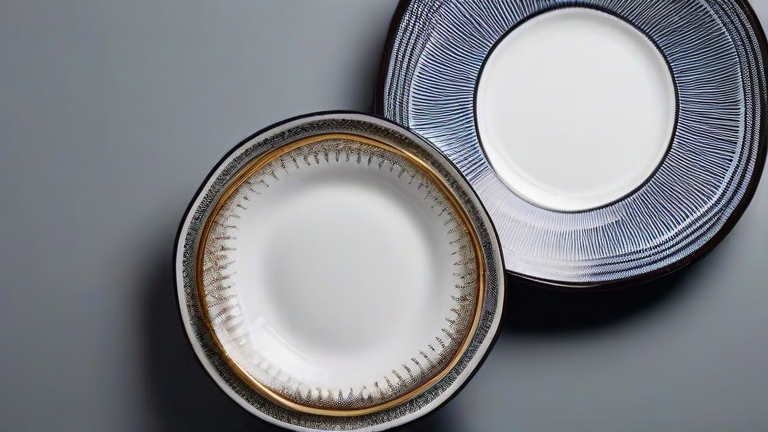
When styling your table, consider the contrast between matte and glossy finishes. Mixing these textures adds depth and sophistication to a place setting. Ensure that all plates in a set have consistent rim thickness to create a seamless visual line. Use coordinating napkins and cutlery to tie the look together. For formal dinners, stick to a single tone, while casual gatherings allow for more eclectic mixing. Finally, keep the table uncluttered; porcelain’s elegance shines best when given space to breathe. By following these care and styling guidelines, you will maintain the beauty of your porcelain dinnerware for decades to come.
FAQ
Q: Is porcelain safe to use in the microwave?
A: Yes, pure porcelain is generally microwave safe, provided it does not have metallic accents like gold or silver, which can cause sparking.
Q: How do I remove tea or coffee stains from porcelain?
A: Soak the affected area in a mixture of warm water and white vinegar for thirty minutes, then scrub gently with a soft cloth and rinse well.
Q: Can I repair a chipped porcelain plate?
A: You can use specialized ceramic glue for minor chips, but for significant damage, it is often best to retire the piece or use it for non-food decorative purposes.
Leave a Reply