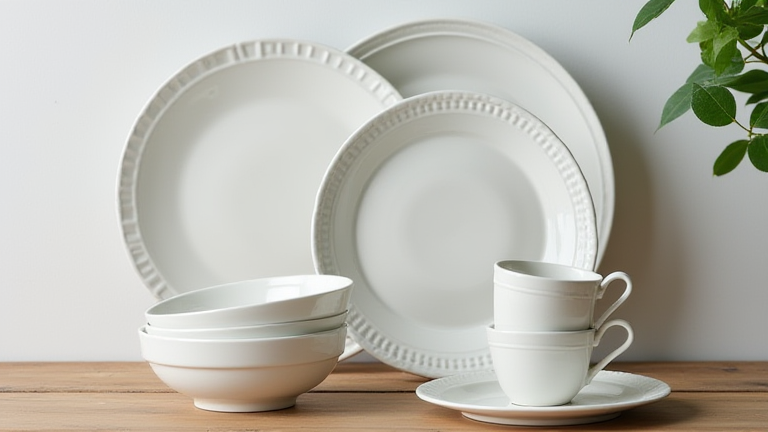
TL;DR: High-quality, lead-free porcelain dinnerware is generally safe for daily use when purchased from reputable manufacturers that adhere to strict safety standards. However, older or imported pieces without proper certification may pose risks, so it is crucial to verify compliance with current health regulations before use.
Understanding Porcelain Composition and Safety
Porcelain is a type of ceramic material made from kaolin clay, feldspar, and silica, fired at extremely high temperatures. Unlike stoneware or earthenware, porcelain is non-porous and vitrified, meaning the clay particles fuse together to create a dense, glass-like surface. This structural integrity is key to its safety. In modern manufacturing, reputable brands formulate their glazes to be entirely free of lead and cadmium. These metals were historically used in glazes to achieve vibrant colors and a glossy finish, but they are now strictly regulated or banned in food-contact materials in many regions, including the United States and the European Union. When you buy from established brands, you are typically purchasing products that have undergone rigorous testing to ensure no toxic heavy metals leach into food.
Identifying Risks in Older or Imported Ware
While modern porcelain is safe, caution is advised with antique pieces, hand-painted items, or budget-friendly imports from unverified sources. Older glazes, particularly those from the mid-20th century or earlier, may contain lead or cadmium. These metals can leach into food, especially when the dish is used to store acidic foods like tomatoes, citrus fruits, or wine, or when the item is microwaved. Repeated exposure to lead, even in small amounts, can lead to serious health issues, including neurological damage and developmental delays in children. To mitigate this risk, avoid using cracked or chipped porcelain for food, as damage to the glaze can expose the underlying clay and potentially increase the surface area for metal leaching.
Practical Tips for Safe Usage
To ensure your porcelain dinnerware remains a healthy part of your lifestyle, follow these science-backed guidelines. First, always look for labels indicating the ware is “lead-free” and “cadmium-free” or meets FDA and EU standards for food contact materials. Second, avoid using decorative, hand-painted porcelain for serving food, as these pieces are often not intended for daily use and may not have undergone the same safety testing as standard tableware. Third, handle your dishes with care to prevent chipping, and wash them gently with mild soap and a non-abrasive sponge. While porcelain is generally microwave-safe, check the manufacturer’s instructions, as some glazes may not withstand rapid temperature changes. Finally, consider using porcelain primarily for serving and drinking, while reserving other materials like glass or stainless steel for long-term storage of acidic foods. By staying informed and selective, you can enjoy the elegance and durability of porcelain without compromising your health.
FAQ
Q: Is all porcelain safe for children?
A: Yes, provided it is certified lead-free and cadmium-free. Always check for safety certifications on packaging and avoid using chipped or antique items for children’s meals.
Q: Can I microwave porcelain dishes?
A: Most modern porcelain is microwave-safe, but you should check for a microwave-safe symbol on the bottom of the dish. Avoid pieces with metallic rims or gold accents, as these can spark.
Q: How do I test if my old porcelain contains lead?
A: You can purchase at-home lead check kits that use a swab to detect surface lead. If the test is positive, do not use the item for food and dispose of it properly or keep it for decorative purposes only.
Leave a Reply