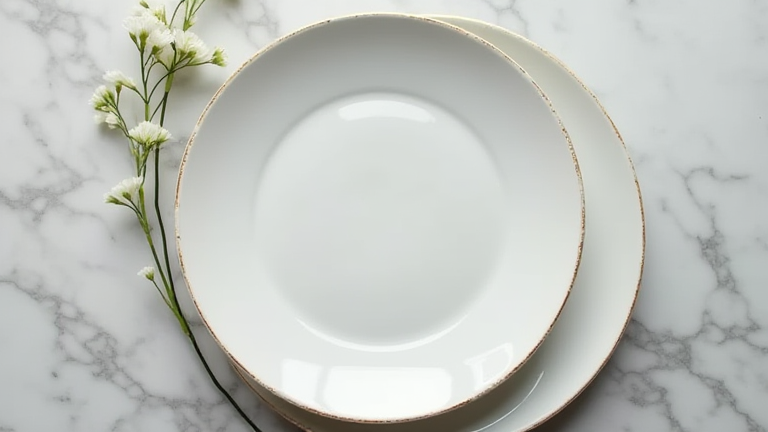
TL;DR: Clean porcelain dinnerware using mild dish soap, warm water, and a soft sponge to prevent scratching the glossy finish. For minor chips, apply a specialized porcelain repair kit or toothpaste to fill gaps, ensuring the piece remains food-safe before use.
Porcelain Dinnerware Care: Cleaning & Repair Tutorial
Porcelain is prized for its durability and elegant appearance, but it requires specific care to maintain its pristine condition over years of use. Proper maintenance ensures your tableware remains chippy-free and visually appealing for generations. This guide provides essential steps for daily cleaning and emergency repairs.
If you want to dig deeper, check out our guide on Elevate Your Table: The Timeless Charm of Porcelain Dinnerwa.
Daily Cleaning Procedures
Start by rinsing dishes immediately after use to prevent food residue from hardening. Use lukewarm water rather than hot water to avoid thermal shock, which can cause micro-cracks in thin porcelain. Apply a few drops of mild, non-abrasive dish soap to a soft sponge or cloth. Gently scrub the surface in circular motions, paying extra attention to the rims where food often sticks. Avoid using steel wool or abrasive pads, as these will permanently scratch the glaze and dull the shine. After cleaning, rinse thoroughly with clean water to remove all soap residue. Dry immediately with a soft, lint-free towel to prevent water spots from forming. If your porcelain has gold or silver rims, hand wash only, as the high heat and detergents in a dishwasher can strip away the metallic luster. For stubborn stains, create a paste from baking soda and water, apply it to the stain, let it sit for ten minutes, and then gently scrub with a soft cloth.
Repairing Chips and Cracks
Small chips are common and can be fixed without replacing the entire set. First, clean the chipped area thoroughly and let it dry completely. For very small chips, you can apply a small amount of white toothpaste or clear nail polish to the spot. This temporary fix helps fill the void and prevents the chip from growing larger. For more significant damage, use a specialized porcelain repair kit available at craft stores. These kits usually contain a two-part epoxy resin. Mix the resin according to the instructions and apply a small amount to the chipped area. Use a toothpick to spread the resin evenly, ensuring it fills the gap completely. Allow the repair to cure for the recommended time, usually 24 hours. Once cured, sand the area lightly with fine-grit sandpaper if it feels rough, then polish it with a soft cloth. Note that repaired areas may not be as food-safe as the original glaze, so avoid using them for acidic foods. For structural cracks, it is best to retire the piece from active dining use and display it as a decorative item, as cracks can harbor bacteria and may shatter under pressure.
FAQ
Q: Can I put porcelain in the dishwasher?
A: Yes, most modern porcelain is dishwasher-safe, but check the manufacturer’s label. Hand washing is recommended for antique pieces or those with metallic trim to preserve their integrity and appearance.
Q: How do I remove tea or coffee stains?
A: Soak the stained area in a mixture of warm water and lemon juice for thirty minutes. Alternatively, use a paste of baking soda and water, let it sit, then scrub gently with a soft cloth.
Q: Is it safe to use porcelain with small chips?
A: It is generally not recommended. Chips can harbor bacteria that are difficult to clean and may cause the piece to shatter during use, posing a safety risk to diners.
Leave a Reply