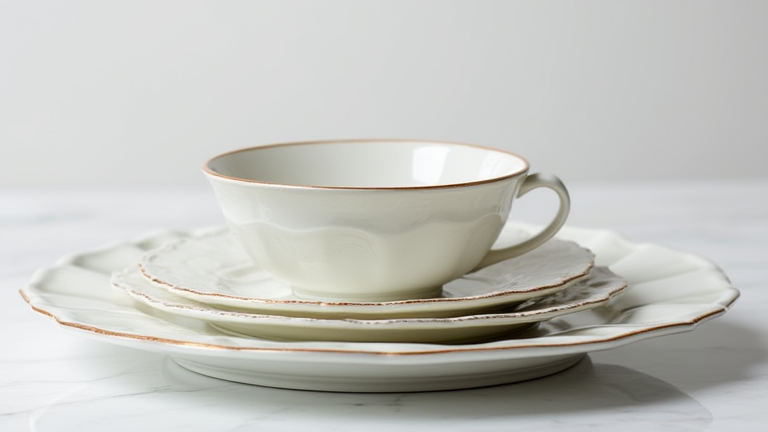
TL;DR: Yes, high-quality porcelain dinnerware is generally safe for daily use because it is non-porous and chemically stable. It does not leach harmful chemicals into food when properly manufactured and maintained, making it a healthy, durable choice for modern households.
The Science of Safety
Porcelain is a type of ceramic made from kaolin clay, quartz, and feldspar, fired at extremely high temperatures. This process creates a vitrified, non-porous surface that prevents bacteria and mold from penetrating the material. Unlike some lower-quality ceramics or glazed pottery, genuine porcelain does not contain lead or cadmium in its body. However, safety largely depends on the glaze applied to the surface. Reputable brands adhere to strict regulatory standards, such as those set by the FDA or EU regulations, ensuring that no toxic heavy metals migrate into food. To maximize safety, always purchase porcelain from certified manufacturers that explicitly state their products are lead-free and cadmium-free. Avoid using decorative pieces with intricate painted designs for serving acidic foods, as older or poorly regulated glazes can sometimes leach trace amounts of metals when exposed to vinegar or citrus juices. For everyday dining, plain white or solid-color porcelain is the safest and most hygienic option.
If you want to dig deeper, check out our guide on Healthy Porcelain Dinnerware: Safe, Non-Toxic & Lead-Free.
Lifestyle Tips for Healthy Dining
Integrating porcelain into your wellness routine involves both material choice and maintenance habits. First, inspect your dinnerware regularly for cracks or chips. Damaged porcelain can harbor bacteria in microscopic fissures, posing a hygiene risk. If a plate is cracked, replace it immediately. Second, while many porcelain items are microwave-safe, check the manufacturer’s guidelines. Avoid microwaving porcelain with metallic accents, as this can cause sparking and potential damage. When washing, hand-washing is gentler on the glaze, though most modern porcelain is dishwasher-safe. Using mild detergents helps preserve the integrity of the surface over time. From a lifestyle perspective, choosing porcelain over plastic eliminates concerns about BPA or phthalates leaching into food, particularly when storing leftovers or reheating meals. This makes porcelain an excellent choice for health-conscious consumers who prioritize minimizing chemical exposure. Additionally, the durability of porcelain means you do not need to replace it frequently, reducing waste and promoting a sustainable, minimalist kitchen environment.
FAQ
Q: Is porcelain better than glass for health?
A: Both are safe, but porcelain is less prone to shattering, making it safer for households with children or pets. Glass is also non-porous, but its fragility poses a physical injury risk if broken.
Q: Can I use porcelain in the oven?
A: Only if the manufacturer explicitly labels it as oven-safe. Many standard porcelain plates are not designed for high heat and may crack or shatter due to thermal shock.
Q: How do I know if my porcelain is lead-free?
A: Look for certifications from recognized testing agencies on the packaging or brand website. If the porcelain is vintage or from an unknown source, it is best to use it for decoration only, not for eating.
Leave a Reply