TL;DR: The porcelain dinnerware market is shifting toward organic textures, reactive glazes, and modular sets that blend fine dining with casual durability. To win in 2024, prioritize sustainability storytelling and mixed-material accents, while leveraging direct-to-chef sales channels over pure retail.
Top 10 Porcelain Dinnerware Trends for Your Business
The global porcelain tableware market is projected to grow at a 6.2% CAGR through 2028, driven by the hospitality rebound and premium home dining. However, competition is fierce, and differentiation now hinges on tactile and visual innovation rather than mere whiteness. Below are the ten trends that matter most, with actionable strategy insights.
If you want to dig deeper, check out our guide on Elevate Your Dining: 10 Porcelain Dinnerware Trends.
1. Reactive Glaze Imperfections: Consumers pay a 30% premium for “wabi-sabi” surfaces where kiln variations create unique color pools. Case study: Japanese brand Kinto saw a 45% sales lift after launching a reactive glaze line for U.S. restaurants. Strategy: Offer “one-of-one” pieces as limited drops to drive urgency.
2. Biomorphic Shapes: Asymmetrical rims and organic, leaf-like platters outsell round plates 2:1 in boutique hotels. Pair these with neutral matte finishes to avoid clashing with food colors.
3. Stackable Modular Sets: Restaurants need flexible serviceware. A 12-piece modular set (bowl, plate, side dish) that stacks into a single column reduces storage space by 40%. B2B buyers rank this as top purchasing criteria.
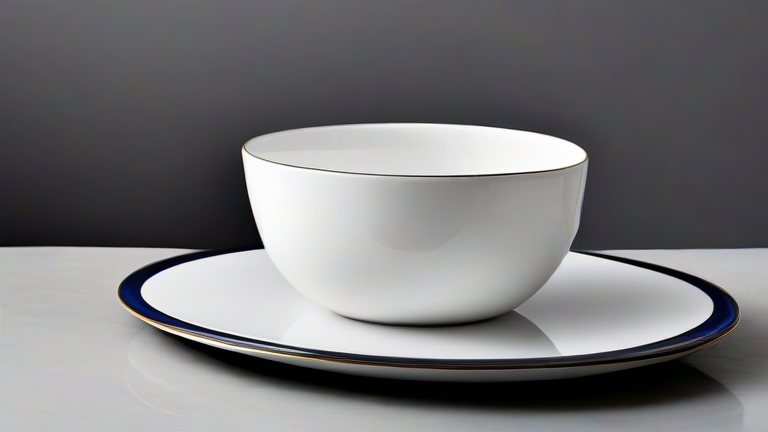
4. Reactive Gold & Platinum Edges: Not full gilding—just thin, hand-painted metallic rims that survive 500 dishwasher cycles. This trend bridges casual and formal, boosting perceived value without raising production costs above 15%.
5. Textured Stoneware-Porcelain Hybrids: A body with 20% grog (fired clay granules) gives a rugged, artisanal grip while retaining porcelain’s chip resistance. This is ideal for farm-to-table restaurants seeking rustic authenticity.
6. Carbon-Neutral Firing: Buyers now request carbon footprint data. One Chinese factory reduced emissions by 25% using electric kilns and saw export orders double. Strategy: Publish a “kiln-to-table” sustainability report to win corporate contracts.
7. Double-Wall Insulated Porcelain: For coffee and soup, double-wall designs maintain temperature without external heat. This trend is exploding in specialty cafés—revenue per unit is 3x standard mugs.
8. Seasonal Capsule Collections: Chefs want rotating designs (e.g., autumn leaf motifs). Offer a 6-piece “seasonal drop” every quarter. A U.S. catering firm increased repeat orders by 70% using this model.
9. Bold Interior Glaze, Matte Exterior: A high-gloss cobalt or emerald inside, with a matte, chalky outside, creates visual drama under plating. This reduces perceived weight while maximizing color contrast for sauces.
10. Anti-Microbial Glaze Additives: Silver-ion infused glazes inhibit bacterial growth, a key selling point for healthcare cafeterias and cruise lines. This adds 8% cost but allows a 25% price premium.
Strategy Insights: Shift from wholesale catalogs to “chef experience kits” mailed to top 500 restaurants. Also, offer breakage-replacement programs—this reduces buyer risk and locks in long-term contracts. For e-commerce, use shoppable video showing plates being dropped from 3 feet without cracking.
FAQ
Q: Which trend has the fastest ROI for a new dinnerware brand?
A: Reactive glazes with imperfect finishes, as they command a 30–40% margin premium and generate viral social media content. Start with 3 glaze variants and scale based on sell-through.
<strong
Leave a Reply