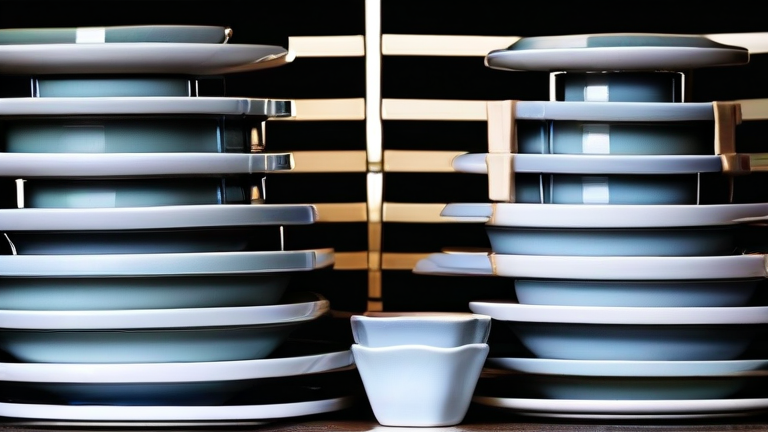
Porcelain Dinnerware Tutorial: How to Clean, Store & Care
TL;DR: Clean porcelain by hand-washing with mild soap or using the top rack of your dishwasher to avoid thermal shock. Store plates vertically in a secure cabinet to prevent chipping and keep them protected from heavy objects.
Understanding Your Porcelain
Porcelain is a high-fired ceramic known for its durability, whiteness, and translucency. While sturdy, it remains susceptible to chipping and cracking if mishandled. Understanding the material’s properties is the first step toward longevity. High-quality porcelain is less porous than earthenware, making it more resistant to staining and easier to clean, but it still requires gentle handling to maintain its aesthetic appeal and structural integrity over time.
If you want to dig deeper, check out our guide on Healthy Porcelain Dinnerware: Is It Safe For Your Family?.
Step-by-Step Cleaning Instructions
For daily maintenance, hand-washing is often recommended to preserve the glaze. Use a soft sponge and a mild, non-abrasive dish soap. Avoid steel wool or harsh scrubbers, as these can scratch the surface. Rinse thoroughly with warm water and dry immediately with a clean, soft cloth to prevent water spots. If you prefer using a dishwasher, ensure your porcelain is marked as dishwasher-safe. Place items on the top rack to minimize exposure to high heat and direct water pressure, which can cause cracking. Use a mild detergent and avoid high-temperature drying cycles, as rapid temperature changes can stress the material.
Proper Storage Techniques
Proper storage is critical to preventing accidental damage. Store plates vertically in a dedicated plate rack or cabinet. This orientation prevents weight from being placed on the rims, which is a common cause of chipping. If stacking is necessary, place a soft cloth or paper towel between each plate to provide a protective buffer. Keep heavy items away from your porcelain storage area. Ensure the cabinet is dry and well-ventilated to prevent moisture buildup, which can lead to mold or mildew on the storage shelves. Avoid storing porcelain in areas with extreme temperature fluctuations, such as near ovens or unheated garages.
Long-Term Care Tips
Periodically inspect your dinnerware for hairline cracks or chips. If you spot a small chip, you can sometimes smooth it with a ceramic polish, but it is best to retire heavily damaged pieces to prevent further breakage. For deep stains, a paste of baking soda and water can be gently applied, but always test on an inconspicuous area first. Avoid soaking porcelain for extended periods, as prolonged immersion can weaken the glaze over years of use. Handle pieces with clean hands to avoid transferring oils that can be difficult to remove. By following these simple steps, you can ensure your porcelain dinnerware remains a beautiful and functional part of your home for decades.
FAQ
Q: Can I put porcelain in the microwave?
A: Yes, most plain porcelain is microwave-safe, but avoid pieces with metallic trims or gold accents.
Q: How do I remove stubborn grease stains?
A: Create a paste of baking soda and water, apply it to the stain, let it sit for ten minutes, and gently scrub with a soft sponge.
Q: Is porcelain safe for daily use with acidic foods?
A: Yes, high-quality porcelain is non-porous and chemically stable, making it safe for acidic foods like tomato sauces.
Leave a Reply