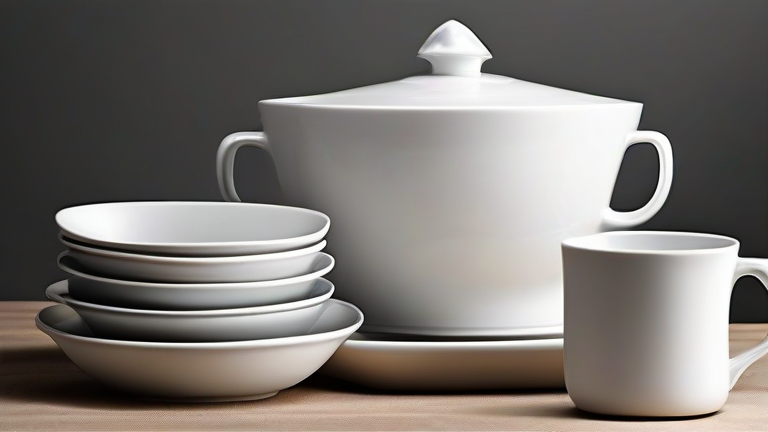
TL;DR: Porcelain dinnerware is generally safe for daily use because it is made from high-fired, non-porous materials that do not leach harmful chemicals into food. When purchased from reputable manufacturers and maintained properly, it offers a hygienic and durable option for healthy dining.
The Science of Safety
Porcelain is a type of ceramic that has been fired at extremely high temperatures, typically between 1,200 and 1,400 degrees Celsius. This intense heat transforms the raw clay into a dense, glass-like structure. Unlike lower-quality earthenware or stoneware, this high-fired process ensures that the material becomes non-porous. Non-porosity is critical for health safety because it prevents bacteria, mold, and mildew from penetrating the surface of the plate or bowl. Consequently, food residues remain on the surface where they can be easily washed away, significantly reducing the risk of bacterial contamination compared to porous alternatives.
If you want to dig deeper, check out our guide on Tech-Forward Porcelain: How Smart Dinnerware Changes Dining.
Chemical Leaching Concerns
A common concern regarding ceramic dinnerware involves the leaching of heavy metals, such as lead and cadmium, into food. While this is a valid risk for antique or hand-painted ceramics from unregulated sources, modern industrial porcelain is strictly regulated in most developed countries. Reputable brands adhere to strict safety standards that limit metal content to negligible levels. Furthermore, the glaze on porcelain is vitrified, meaning it fuses with the clay body to create a seamless barrier. This barrier is chemically inert and resistant to the acidic nature of most foods, ensuring that no harmful substances migrate into your meal. However, consumers should be cautious with decorative pieces that feature bright, raised glazes or imported goods without safety certifications, as these may not meet modern safety benchmarks.
Health Benefits of Porcelain
Beyond safety, porcelain offers distinct hygiene benefits that support overall wellness. Its smooth, hard surface is resistant to scratches, which is crucial because scratches in other materials can harbor bacteria even after washing. Porcelain’s durability means it does not degrade over time, maintaining its structural integrity and safety profile for decades. Additionally, porcelain does not absorb odors or flavors from previous meals, preventing cross-contamination of tastes and ensuring that each dining experience is fresh. This lack of absorption also makes it easier to clean thoroughly with standard dishwashing methods, reducing the need for harsh chemical cleaners that might leave residues on food surfaces.
Essential Safety Tips
To maximize the safety and longevity of your porcelain dinnerware, follow these science-backed lifestyle tips. First, always inspect your plates for chips or cracks. A compromised glaze can expose the underlying clay, which may be porous and more susceptible to absorbing contaminants. If a piece is chipped, it is best to retire it from daily use to avoid potential ingestion of ceramic shards or exposure to unglazed clay. Second, while most porcelain is microwave-safe, always check the manufacturer’s guidelines. Sudden temperature changes can cause thermal shock, leading to cracking. Avoid moving directly from the freezer to a hot oven. Third, hand washing with mild detergent is often gentler on glazes than dishwashers, though high-quality porcelain is usually dishwasher-safe. Finally, purchase from trusted brands that explicitly state their products are lead-free and cadmium-free. By adhering to these simple practices, you can enjoy the elegance and safety of porcelain dinnerware with complete peace of mind.
FAQ
Q: Is porcelain safe for microwaving?
A: Yes, most porcelain is microwave-safe, but you should avoid items with metallic decorations or check the manufacturer’s label to ensure the specific glaze can withstand heat without cracking.
Q: Can porcelain leach lead into food?
A: Modern, regulated porcelain from reputable manufacturers does not leach lead; however, antique or unregulated decorative pieces may contain lead glazes that can be unsafe if damaged or used with acidic foods.
Q: How do I know if my porcelain is high quality?
A: High-quality porcelain is typically white, translucent when held to light, and has a smooth,
Leave a Reply