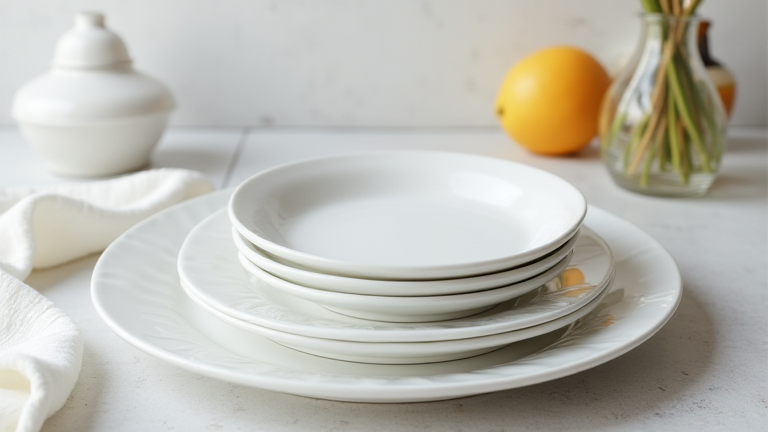
TL;DR: To maintain pristine porcelain dinnerware, wash it gently by hand with warm water and mild detergent, avoiding abrasive scrubbers that can scratch the glaze. Dry immediately with a soft cloth to prevent water spots and polish only if necessary using a microfiber cloth to restore the original shine.
Step-by-Step Cleaning Instructions
Begin by filling your kitchen sink with lukewarm water. Hot water can sometimes cause thermal shock in thinner porcelain pieces, while cold water fails to dissolve grease effectively. Add a few drops of pH-neutral dish soap, which is less harsh than industrial cleaners. Submerge your plates, bowls, and cups, allowing them to soak for approximately three to five minutes. This short soak loosens dried food particles without requiring aggressive scrubbing. Use a soft sponge or a non-abrasive cloth to gently wipe the surfaces. Pay special attention to the rims and undersides of the plates, where grime tends to accumulate. Avoid using steel wool or rough scouring pads, as these materials can microscopically scratch the glaze, leading to a dull appearance over time. Rinse each piece thoroughly under running water to remove all soap residue, which can leave behind a film that attracts dirt.
If you want to dig deeper, check out our guide on Luxury Porcelain Dinnerware: Top 10 Sets for Elegant Dining.
Polishing and Drying Techniques
After rinsing, do not air dry your porcelain dinnerware. Instead, take a clean, lint-free microfiber cloth and gently wipe each piece dry. This step is crucial for preventing mineral deposits from hard water from forming on the surface. If you notice faint water spots, apply a tiny amount of white vinegar to the cloth and rub the affected areas in a circular motion. The acidity of the vinegar helps dissolve these minerals without damaging the ceramic. For a deeper polish, especially on pieces that have lost their luster, you can use a specialized ceramic polish. Apply a small amount to a soft cloth and buff the surface gently. However, this should only be done occasionally, as over-polishing can wear down the glaze. Store your cleaned dinnerware in a dry cabinet, ideally with soft padding between items to prevent chipping from contact.
Essential Maintenance Tips
While many modern porcelains are dishwasher safe, hand washing is always recommended for heirloom pieces or those with delicate gold or platinum accents. High-temperature dishwasher cycles can degrade metallic rims. If you must use a dishwasher, place items in the top rack and use a gentle cycle. Avoid stacking plates too tightly, as this can cause chips. Inspect your dinnerware regularly for cracks or chips. Small cracks can expand over time, especially if exposed to sudden temperature changes. If you find a chip, consider using a ceramic adhesive to repair it immediately, preventing further damage. Keep your porcelain away from extreme temperature fluctuations. For instance, do not place a freezing cold plate directly into a hot oven. This thermal stress is the primary cause of porcelain failure. By following these simple steps, you ensure your dinnerware remains beautiful and functional for decades. Consistency is key; a little care every day prevents major repairs later.
FAQ
Q: Is it safe to put porcelain in the dishwasher?
A: Yes, most modern porcelain is dishwasher safe, but hand washing is preferred for pieces with metallic accents or intricate details to preserve their finish.
Q: What should I avoid using when cleaning porcelain?
A: Avoid abrasive scouring pads, steel wool, and harsh chemical cleaners, as these can scratch the glaze and cause permanent dulling or discoloration.
Q: How do I remove stubborn stains from porcelain?
A: Soak the stained area in warm water with a small amount of baking soda for thirty minutes, then gently scrub with a soft cloth before rinsing thoroughly.
Leave a Reply