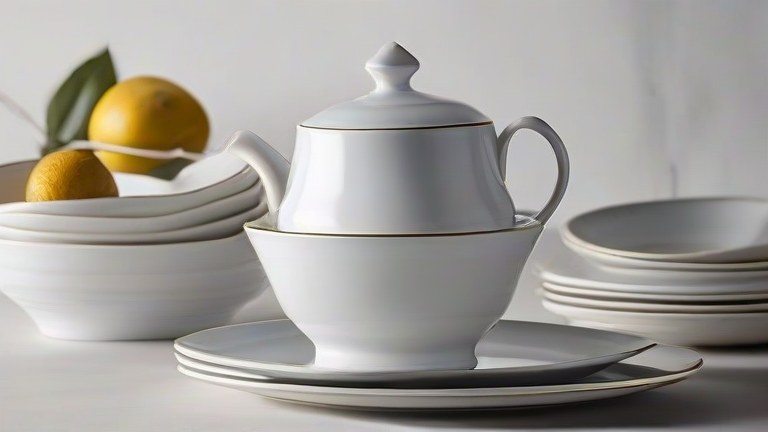
Porcelain Dinnerware Care: The Ultimate Cleaning & Storing Guide
TL;DR: Clean porcelain by hand with warm water and mild detergent or use the top rack of your dishwasher, avoiding abrasive scrubbers to prevent scratches. Store pieces upright with soft felt liners between them to prevent chipping and ensure long-lasting beauty for your table settings.
Step-by-Step Cleaning Instructions
Proper cleaning is the foundation of preserving the integrity of your porcelain. Begin by inspecting your plates and bowls for any existing cracks or chips. If you find damage, stop using the item immediately, as porcelain can shatter under stress if compromised. For routine cleaning, fill a sink with warm water and a few drops of gentle dish soap. Use a soft sponge or cloth to gently wipe the surface. Avoid steel wool or harsh scouring pads, which can micro-scratch the glaze, making the surface more susceptible to staining over time. If you have stubborn stains, such as coffee or tea rings, create a paste from baking soda and water. Apply this to the affected area, let it sit for ten minutes, and then rinse thoroughly. For dried-on food, soak the piece in hot water before scrubbing to prevent scratching.
If you want to dig deeper, check out our guide on Top 10 Porcelain Dinnerware Sets: Best Styles for Every Tabl.
Mastering Proper Storage Techniques
Storage is just as critical as cleaning to maintain the structural integrity of your dinnerware. Never stack porcelain pieces directly on top of one another without protection. Use felt-edged dividers or soft cloth liners between each plate and bowl. This barrier prevents the delicate rims from rubbing against each other, which is the primary cause of chipping and dulling. Store your dinnerware vertically if possible, using a dish rack or a specialized cabinet insert. Vertical storage reduces the pressure on the rims and allows for better air circulation, preventing moisture buildup. If vertical storage is not an option, ensure that horizontal stacks are not too high to avoid excessive weight on the bottom pieces. Keep your storage area dry and away from extreme temperature fluctuations, as rapid thermal changes can cause thermal shock, leading to cracks in the porcelain body.
Essential Tips for Longevity
Always let porcelain cool to room temperature before washing it in hot water. Thermal shock is a silent killer of fine china. If you use a dishwasher, select a gentle cycle with a low-temperature rinse. Avoid placing delicate items near the heating element. Additionally, never use bleach on your porcelain, as it can degrade the glaze. Periodically inspect your collection during cleaning to catch small chips early. Addressing minor issues promptly can prevent larger breaks in the future. By following these meticulous care routines, your porcelain dinnerware will remain a stunning centerpiece for decades, retaining its luster and structural perfection for every meal and special occasion.
FAQ
Q: Can I put porcelain in the microwave?
A: Yes, most plain porcelain is microwave-safe, but avoid pieces with metallic accents or gold rimming, as these can spark and damage the appliance.
Q: How do I remove deep stains from porcelain?
A: Create a paste of baking soda and water, apply it to the stain, let it sit for fifteen minutes, then gently rub with a soft cloth and rinse.
Q: Is it okay to stack porcelain plates in a cupboard?
A: Only if you use soft dividers between each piece; stacking them directly without protection will cause chipping and scratches over time.
Leave a Reply