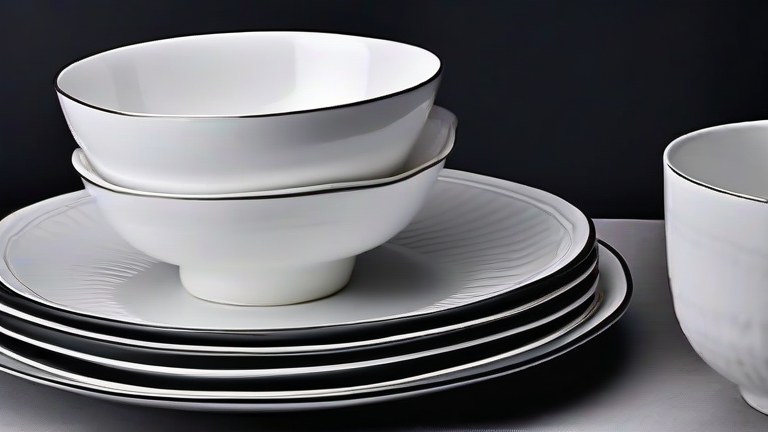
TL;DR: Minimalist matte finishes and hand-painted artisanal designs are currently dominating the porcelain dinnerware market, driven by a consumer shift toward sustainable luxury and tactile aesthetics. These trends reflect a broader desire for durable, statement pieces that enhance dining experiences while reducing environmental impact.
The Rise of Tactile Minimalism
The global tableware market is experiencing a significant pivot away from high-gloss, traditional white porcelain toward more textured and muted alternatives. According to recent data from Grand View Research, the global tableware market size was valued at over USD 30 billion in 2023, with a compound annual growth rate (CAGR) of 5.2% projected through 2030. A substantial portion of this growth is attributed to premium segments that emphasize design integrity and material quality. Consumers are increasingly seeking items that offer not just utility, but an aesthetic experience. This has led to a surge in demand for matte-finished porcelain, which provides a softer, more organic look compared to the stark shine of traditional bone china.
Industry experts note that the tactile nature of matte glazes resonates with modern sensibilities. “There is a psychological preference for warmth in home decor,” explains Elena Rostova, a senior trend analyst at HomeGoods International. “Matte porcelain feels more grounded and less industrial. It allows the food presentation to take center stage without the distraction of harsh reflections. This shift is not just cosmetic; it reflects a deeper cultural move toward calmness and intentionality in domestic spaces.” Furthermore, the durability of high-quality porcelain ensures that these trends are not fleeting fads but enduring investments for homeowners.
Artisanal Touches and Sustainability
While minimalism sets the base, the current trend is punctuated by artisanal details. Hand-painted patterns, irregular rim shapes, and earth-tone palettes are gaining traction. This “perfectly imperfect” aesthetic appeals to buyers who value uniqueness and craftsmanship over mass-produced uniformity. Brands are responding by collaborating with independent ceramicists to create limited-edition collections, fostering a sense of exclusivity and artistry in everyday dining.
Sustainability remains a critical driver of purchasing decisions. Modern consumers are scrutinizing the supply chain, preferring brands that use recycled materials, lead-free glazes, and energy-efficient kilns. The longevity of porcelain, which can last for generations if cared for properly, aligns perfectly with the circular economy model. Predictions for the next three years suggest a continued rise in “quiet luxury” within the dinnerware sector. We anticipate seeing more integration of technology, such as heat-resistant porcelain suitable for direct table service, alongside a deeper emphasis on eco-friendly packaging and transparent manufacturing processes.
As dining rooms become central hubs for social connection and remote work, the choice of dinnerware is no longer incidental. It is a deliberate statement of values and taste. By investing in trending styles that balance aesthetic appeal with ethical production, consumers can elevate their daily rituals while supporting a healthier industry future. The convergence of minimalism, artistry, and sustainability defines the current landscape, ensuring that porcelain remains a timeless yet evolving staple in the modern home.
FAQ
Q: Why is matte porcelain more popular than glossy?
A: Matte finishes offer a softer, more organic aesthetic that reduces visual glare, aligning with current trends toward calm, minimalist interiors and tactile experiences.
Q: Are hand-painted porcelain pieces worth the premium price?
A: Yes, they are considered collectible art pieces that offer unique character and provenance, often retaining or increasing in value due to their limited production nature.
Q: How does sustainability influence porcelain production?
A: Manufacturers are increasingly adopting eco-friendly practices such as using lead-free glazes, recycling kiln waste, and sourcing clay from ethical mines to meet consumer demand for green products.
Leave a Reply